Cameroon at the heart of Europe's battle against Russia's shadow fleet
Cameroon takes action against Russian oil tankers; 39 ships removed from its maritime registry
Written by: Badr Ahmed
The European Union has ramped up its measures to confront what is known as Russian shadow fleetIn a move aimed at limiting Moscow's ability to circumvent Western sanctions imposed on its oil exports, by intensifying inspections and detaining oil tankers that illegally use foreign flags.
On June 8, the European Union expanded the powers of its Irini naval operation in the Mediterranean to include the interception, inspection, and even detention of ships suspected of belonging to the Russian shadow fleet, as reported by Reuters, which has drawn sharp criticism from Moscow.
Europe tightens its grip on Russia's shadow fleet
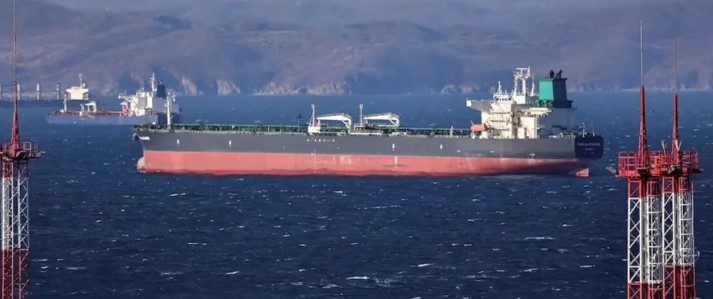
The shadow fleet relies on old oil tankers, often lacking Western insurance and recognized safety certificates. They fly the flags of different countries to conceal the identities of their real owners and the routes of their shipments, allowing Russian oil exports to continue away from international restrictions and sanctions.
European military sources revealed that three oil tankers, the Nilsa, Onevoy, and Sandia, were recently inspected by the Irini operation forces, amid suspicions that they used forged Cameroonian registrations.
Since the beginning of 2026, French, Belgian, British, and Swedish naval forces have seized nine ships linked to the Russian fleet, including five vessels flying the Cameroonian flag.
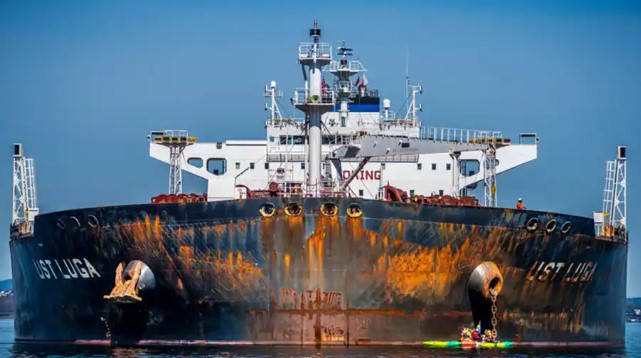
In a remarkable development, the Cameroonian government announced the removal of 39 ships from its maritime registry after an official investigation revealed that a number of vessels were illegally using the Cameroonian flag, taking advantage of two fraudulent websites to fraudulently register the ships.
The Cameroonian Ministry of Transport confirmed that it is cooperating with international organizations and competent authorities to strengthen oversight of its maritime register, protect its credibility, and combat irregular registration operations, noting that it bears no responsibility for ship activities after their official de-registration.
These measures followed the French Navy's seizure of the oil tanker De Lilly near the island of Sicily on June 25, even though it continued to sail under the Cameroonian flag after being delisted from the official registry.
In mid-July, the European Union is preparing to adopt a new package of sanctions targeting the expansion of restrictions on Russia's shadow fleet, by adding around 30 new tankers to the sanctions list, along with tightening the criteria to include vessels that provide refueling or cargo transfer services to sanctioned vessels.
European officials believe these measures are not only aimed at reducing oil revenues that fund the Russian war, but also at limiting the environmental and maritime risks posed by old and non-safety-compliant oil tankers, which could cause maritime accidents and widespread pollution, as happened in the Black Sea in late 2024.