The African gold empire: Who controls the illegal mines?
Cross-border smuggling networks, armed groups, and international intermediaries
Written by: Mohammed Omran
In Africa, gold is no longer just a natural resource that represents a source of national income, but in recent years it has become the focus of economic and security conflict, after illegal mining networks expanded and succeeded in creating a parallel economy that generates billions of dollars outside the control of governments.
The African gold empire: Who controls the illegal mines?
While the continent possesses approximately 40% of the world's gold reserves, it is estimated that a significant portion of the gold produced annually does not pass through official channels, but rather enters a complex network of intermediaries, smugglers, and financiers, before reaching global markets without the producing countries benefiting from it as required.
Illegal mining: a parallel economy
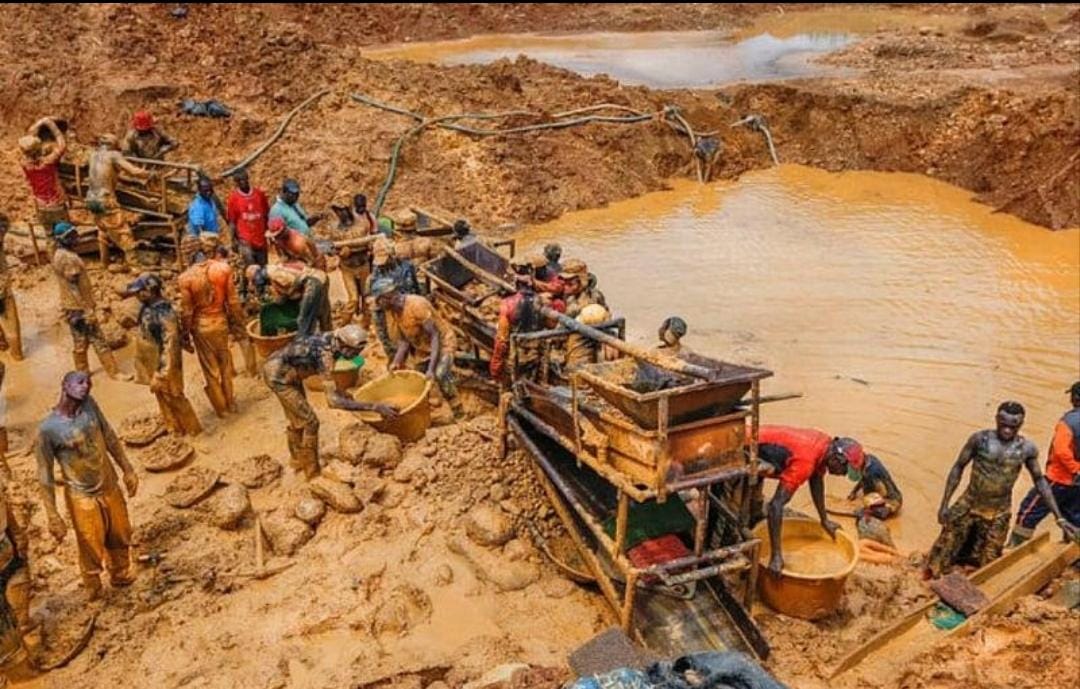
In many African countries, illegal mining is called artisanal and unregulated mining, where hundreds of thousands of people work inside unlicensed mines using rudimentary equipment or heavy machinery supplied by local and foreign financiers.
Although this activity provides a source of income for thousands of families, in many areas it has turned into a huge economy outside the control of the state, relying on complex financial and logistical networks that include gold traders, transport companies, smugglers, and even corrupt officials in some cases.
Ghana: A model of a crisis that goes beyond mining
Ghana is Africa’s largest gold producer, but it faces one of the biggest illegal mining crises, known locally as “Galamsey”.
Recent estimates indicate that between 700,000 and 800,000 people are engaged in illegal mining, and that 70 to 801,000 artisanal miners operate without licenses, with the activity extending to more than 120 administrative regions, causing significant economic and environmental losses.
The crisis extends beyond the loss of state revenue. Illegal mining operations have polluted several rivers, damaged vast areas of farmland, and threatened cocoa production, one of Ghana's most important exports. Some water treatment plants have also been forced to suspend operations due to high pollution levels.
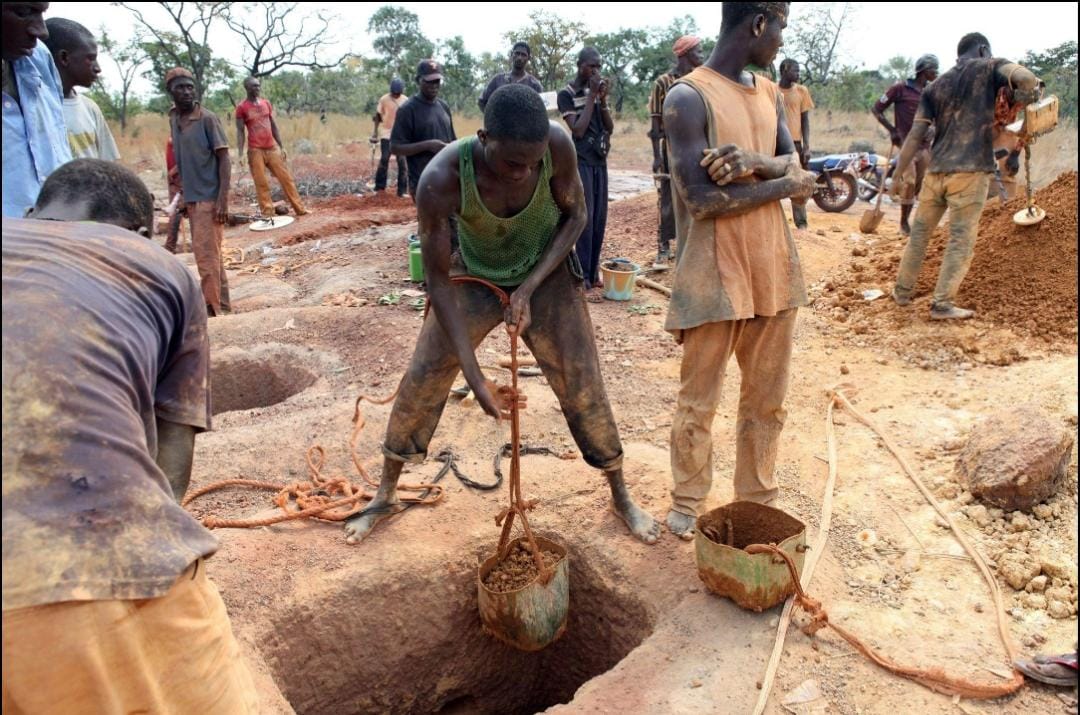
Who controls the mines?
The entities controlling illegal mines vary from country to country, but a recurring pattern emerges in several African countries.
In some areas, local leaders or financing networks control the supply of equipment and fuel in exchange for a percentage of production, while organized smuggling networks play a key role in moving gold across borders.
In Sahel countries such as Mali and Burkina Faso, armed groups have exploited artisanal mines to impose levies or take direct control of mining sites, taking advantage of the weak government presence, and have used gold revenues to finance their armed activities and expand their influence.
The journey of gold from the mine to the market
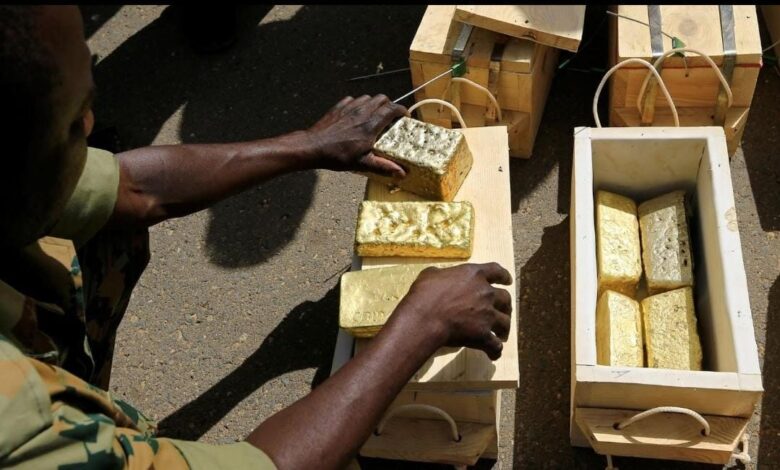
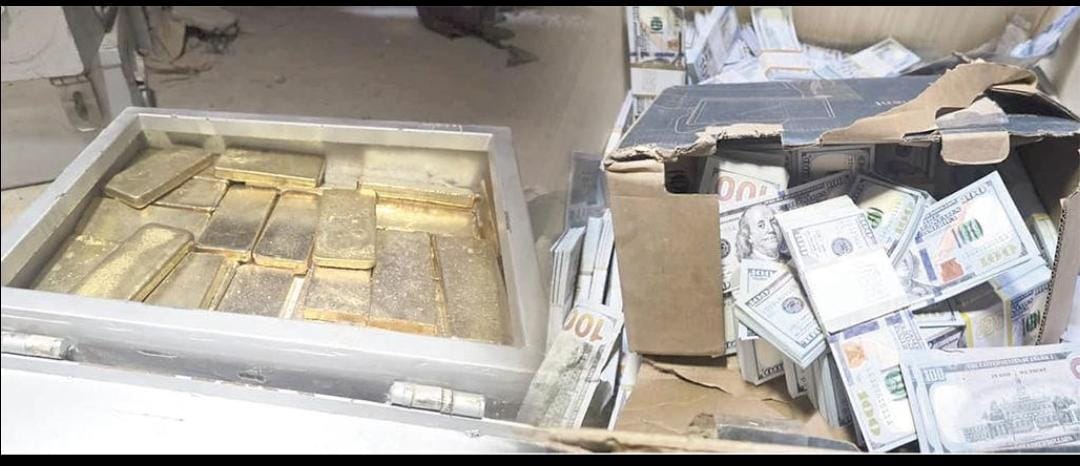
Gold does not stay within the producing country for long. After it is extracted, it is sold to local intermediaries who collect small quantities from hundreds of mines, then it is transported across land or air borders using forged documents or through unofficial ports, before it reaches global gold trading centers.
According to a report by Swissaid, more than $30 billion worth of African gold left the continent through undisclosed means in one year, with the UAE receiving the largest share of these flows, followed by Turkey and Switzerland, reflecting the scale of informal trade in this sector.
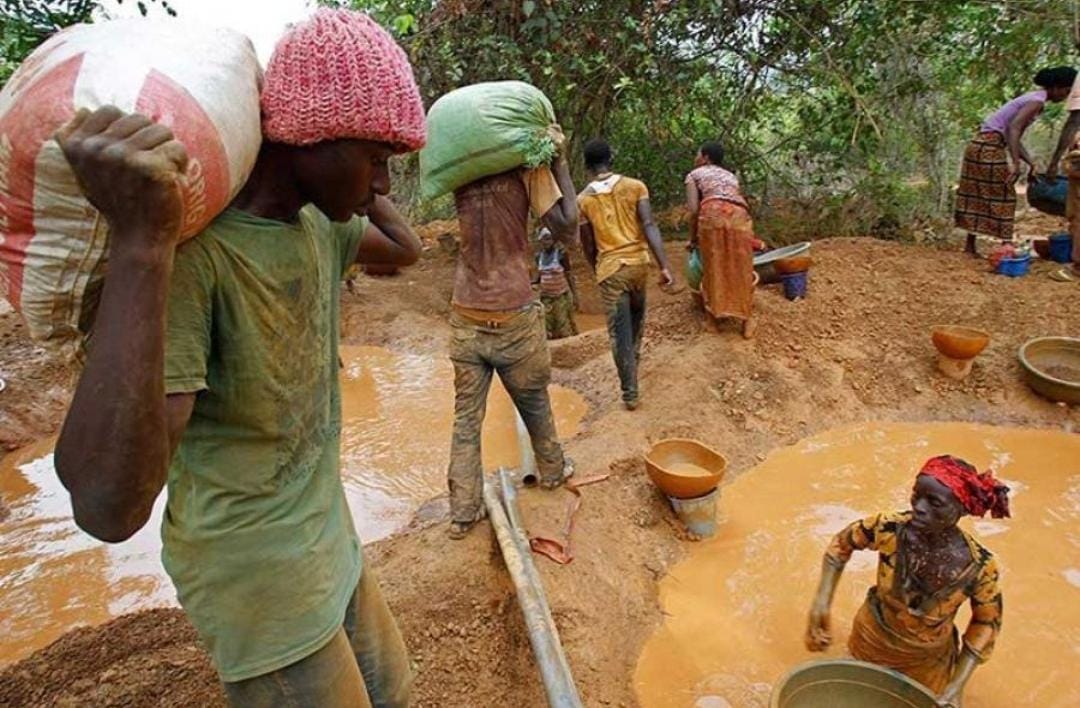
Why is it so difficult to eradicate the phenomenon?
Experts believe that the problem is not only related to weak laws, but also to a complex web of economic, social, and security factors.
In many rural areas, artisanal mining is the only source of income, making removal campaigns alone insufficient, especially with rising global gold prices, which increases the willingness of individuals and criminal networks to invest in illegal mining.
Smuggling networks also exploit open borders and weak controls between West African countries to move gold easily, while gaps in international supply chains allow quantities of gold of unknown origin to enter global markets.
Billions of dollars in losses
Illegal mining leads to the destruction of forests, water pollution with mercury and chemicals, a decline in agricultural production, as well as the growth of organized crime and the spread of weapons in some mining areas.
In Ghana alone, the economy is estimated to lose billions of dollars annually due to smuggling and illegal mining, prompting the government to establish a special body to track the gold trade and tighten control over export operations, while forming teams to combat smuggling and redirect artisanal mining exports to official channels.
Is it possible to regain control?
Experts believe that the confrontation will not succeed through security measures alone, but requires reforms that include regulating artisanal mining, providing economic alternatives for local communities, closing smuggling routes, and enhancing the transparency of the global gold trade.
While African governments continue to tighten controls on mines and borders, the question remains: can the continent regain control of its gold wealth, or will the empire of illegal gold remain too large for states to contain?