Tensions have escalated between South Africa and Nigeria following the deaths of three migrants.
Written by: Ayman Ragab
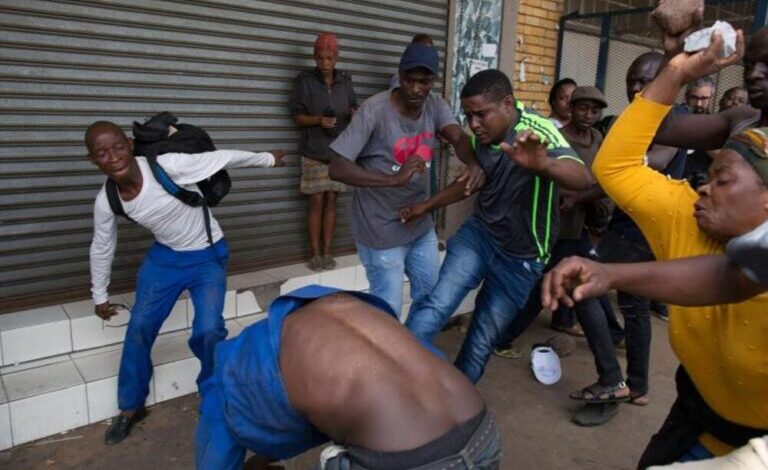
South Africa's crackdown on undocumented immigrants has led to a diplomatic crisis with Nigeria after Abuja claimed three of its citizens were killed amid what it described as “unprovoked targeting” of African nationals, raising fears that repercussions could undermine Africa's broader integration agenda.
The Nigerian Ministry of Foreign Affairs announced that Emeka Charles Iroegbu died on June 28 after police in Pretoria used “brutal interrogation methods,” while shop owner Musa Younana Jo was killed by unknown assailants in Emalahleni on the same day.
Extrajudicial killing
The ministry said the same officers “are allegedly responsible for the extrajudicial killing of another Nigerian citizen, Mr. Nnamika Matthew Andrew Ekwuinyong.”.
“His case is still under consideration; no one has been arrested even though the four officers involved are known to the South African Police Service.”
According to the ministry, the killings raise “the question of state responsibility under international law.”.
“The recorded data collected by our missions lays the groundwork for criminal responsibility.”
The statement added: “Gang leaders in groups such as the March of the March and Operation Dodola, who incite violence and hatred against Africans, will also be held accountable under regional and international criminal responsibility.”.
Highest crime rates
It was noted that “it is a fact that South Africa currently has one of the highest crime rates globally, including a culture of looting and riots.”.
“Nigerians demonstrate greater civility in their dealings with foreigners, and they always adhere to the rule of law when dealing with transgressions. Therefore, it is unjust to target foreigners and make them scapegoats for the entrenched socio-economic conditions that authorities should address.”
This diplomatic tension comes amid rising anti-immigrant sentiment in South Africa, where protest groups have accused foreigners of taking jobs, fueling crime, and straining public services.
Some movements, including the March of the Mbeu and Operation Dudula, have issued public calls for undocumented migrants to leave the country, culminating in a widely publicized June 30 deadline, prompting several African governments to repatriate their citizens, according to APA.
Nigeria said about 700 Nigerians were among an estimated 25,000 African nationals who left South Africa before the deadline.
Abuja warned in its statement that “all options remain on the table” if what it described as “apartheid-style behavior” is not addressed.
Citizen compensation
Nigeria also said it would seek compensation for citizens who fled, adding that it had begun documenting companies and properties they left behind.
South Africa rejected the request, with Minister in the Presidency Khumbudzo Ntshavheni saying that Nigerians could sell any assets registered in the local market.
The diplomatic dispute adds pressure to South Africa's already strained relations with several African countries, and threatens to complicate continental efforts to promote freedom of movement and economic integration.