Janet Kagame: The First Lady who made women's empowerment and education a cornerstone of Rwanda's renaissance
Who is Janet Kagami?
Written by Amna Hassan
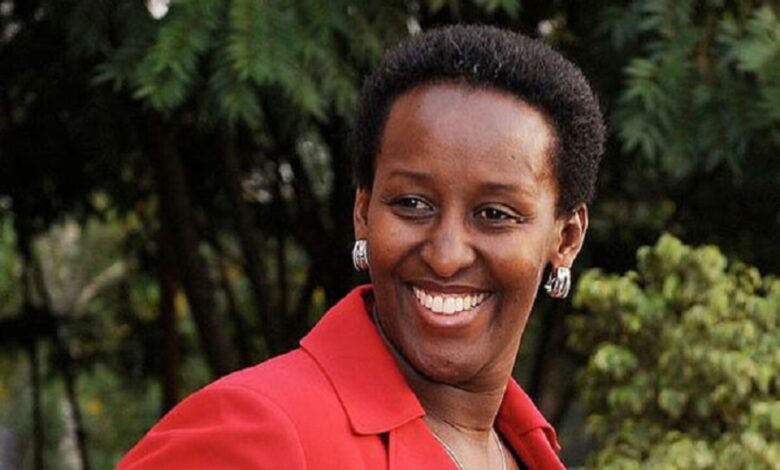
Janet Kagame, the First Lady of Rwanda, is one of the most prominent and influential women in Africa, having played a pivotal role in supporting education, health, and women's and youth empowerment programs, as well as contributing to national reconciliation efforts following the genocide that the country witnessed in 1994.
Janet Niramungi Kagame was born on August 10, 1962 in Ngozi, Burundi, to a Rwandan family living in exile.
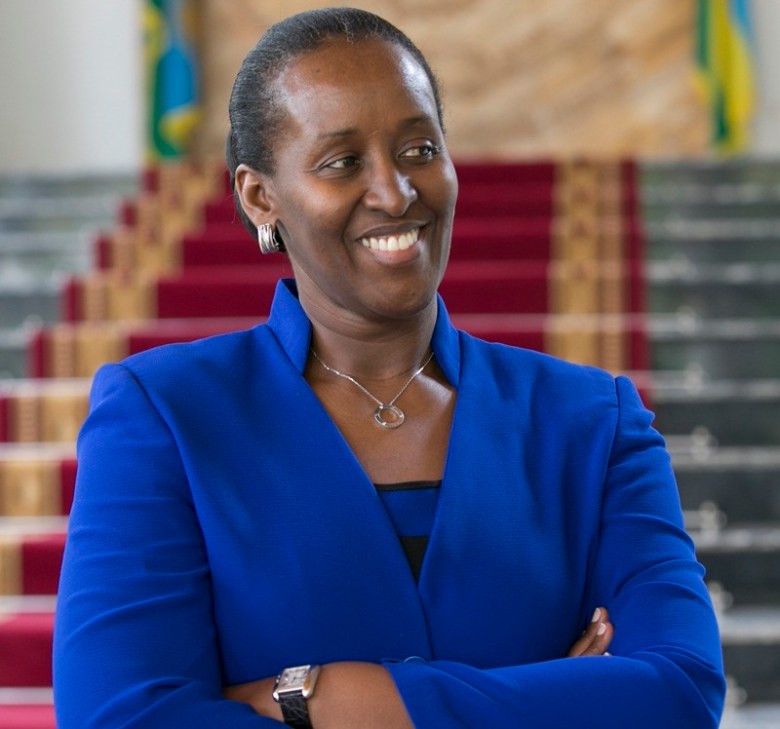
She married Rwandan President Paul Kagame in 1989, before the family returned to Rwanda after the end of the genocide. Since her husband assumed the presidency in 2000, she has served as the country's First Lady.
Leading humanitarian and development work
Janet Kagame’s name became prominent through her founding and leadership of the Imbuto Foundation, which initially began to address the effects of HIV/AIDS, and then expanded to include programs supporting education, maternal and child health, care for the most vulnerable groups, and empowering girls and young people throughout Rwanda.
She also heads the “Al-Wahda Club”, which focuses on promoting national reconciliation and social cohesion after the events of 1994.
Prominent African and international presence
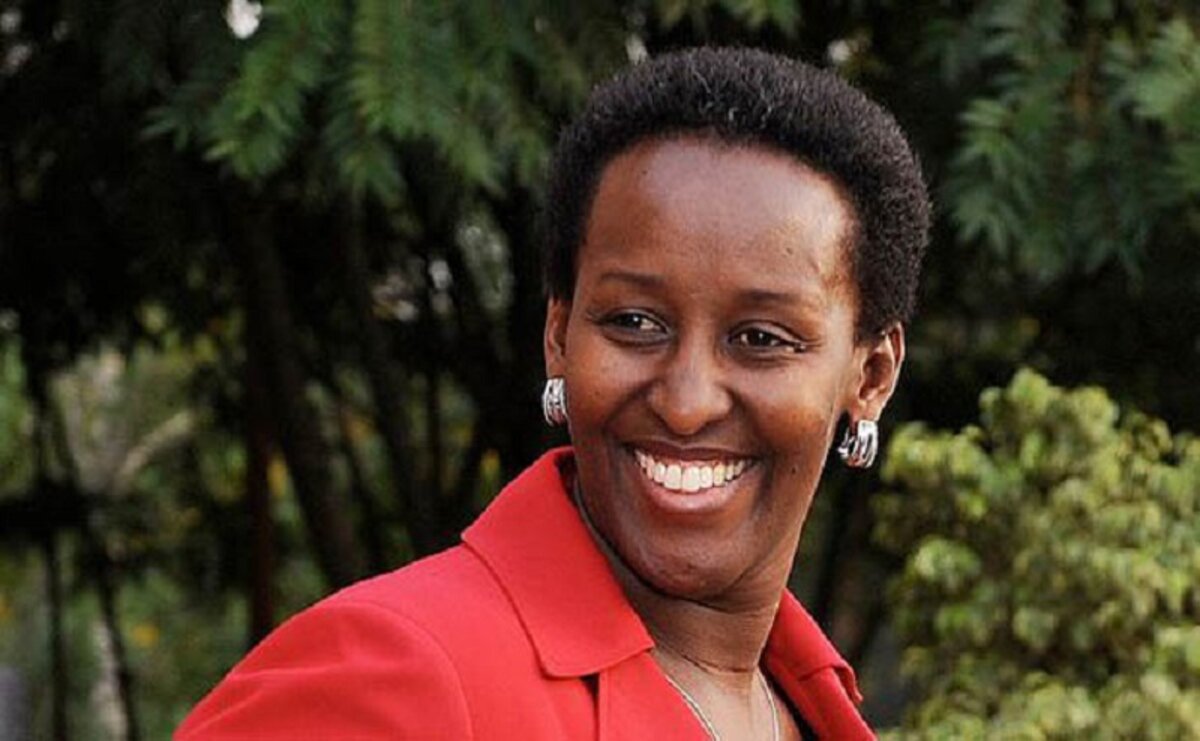
Janet Kagame’s activities were not limited to the Rwandan interior, but extended to the continental and international level, as she participated in the founding of the Organization of African First Ladies for Development (OAFLAD), and chaired the organization between 2004 and 2006, before joining its steering committee.
She was also chosen by the Joint United Nations Programme on HIV/AIDS (UNAIDS) as a Special Ambassador for Adolescent Health and Wellbeing, in recognition of her efforts in combating AIDS, reducing mother-to-child transmission, and promoting the health of young people in Africa.
Education and women's empowerment are top priorities
Janet Kagame focuses particularly on promoting girls' education, reducing school dropout rates, and preparing a generation of female leaders capable of participating in economic and social development.
It also supports initiatives aimed at developing young people’s skills, promoting family values, and establishing a culture of social responsibility.
She has received numerous international awards and honors in recognition of her contributions to supporting women, sustainable development, and humanitarian work both within and outside Rwanda.
A symbol of soft power in Rwanda
For more than two decades, Janet Kagame has successfully established the image of the First Lady as an active partner in development, not just a protocol figure.
She became a model of women’s leadership in Africa, by combining humanitarian work, advocating for women’s and children’s rights, supporting education, and contributing to promoting stability and reconciliation, making her one of the most influential figures in modern Rwanda’s history.