A new era of African wealth begins... First lithium shipment leaves Congo | Where is it headed?
The race to control "white gold" begins"
Written by Amna Hassan
In a move considered a strategic shift in the global landscape of vital minerals, the Democratic Republic of Congo has begun exporting its first shipments of lithium to China, officially entering the market for one of the most important minerals used in the manufacture of electric vehicle batteries and clean energy technologies, at a time when international competition for resources is increasing. Africa Metallic.
First exports from the giant Manono project
International reports have revealed that the Chinese mining company Zijin Mining has begun exporting lithium concentrates from the Manono project, which is ranked among the world's largest untapped rock lithium reserves.
Export operations commenced in June 2026, following the start of operations at the processing plant in May, a full month ahead of schedule, indicating the rapid development of the project.
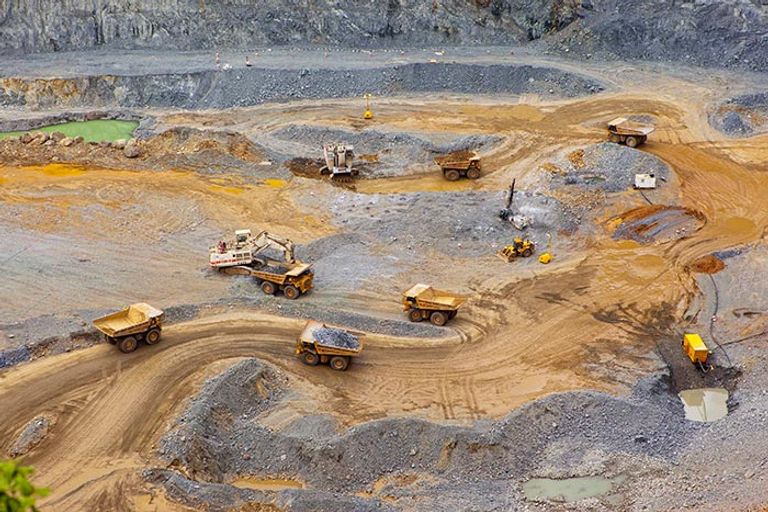
The shipments are transported by land and sea to China, where they are expected to arrive at specialized refineries during next October, while informed sources confirmed that all quantities currently produced are allocated to the Chinese market.
China is strengthening its influence in the African mining sector.
The joint venture represents one of the most prominent Chinese investments in the Congolese mining sector, with Zijin owning 54.9% of the project, while the Congolese state mining company Cominier owns 35.1%, and the Congolese government retains the remaining share.
The start of exports strengthens the presence of Chinese companies in the vital minerals sector within Congo, alongside other companies that run extensive operations in the production of cobalt and strategic minerals.
In contrast, the US company KoBold Metals was forced to postpone the development of a neighboring site due to ongoing legal disputes concerning mining rights in the area.
Is Africa benefiting from its mineral wealth?
Despite the continent possessing huge reserves of lithium, cobalt, gold and diamonds, most African countries still rely on exporting raw materials, depriving them of achieving greater economic value through local manufacturing.
In recent times, several African countries have begun adopting new policies to increase added value, including Zimbabwe, which banned the export of raw lithium, and Nigeria, which took similar measures in the cocoa sector with the aim of promoting local manufacturing.
Many believe that the success of these policies could represent a turning point in the African economy, as it allows resource-rich countries to make greater use of their natural wealth, enhances manufacturing opportunities, provides new jobs, and gives the continent a more influential position in global supply chains for strategic minerals.