Nyamata Monument in Rwanda: The story of one of the world's bloodiest events
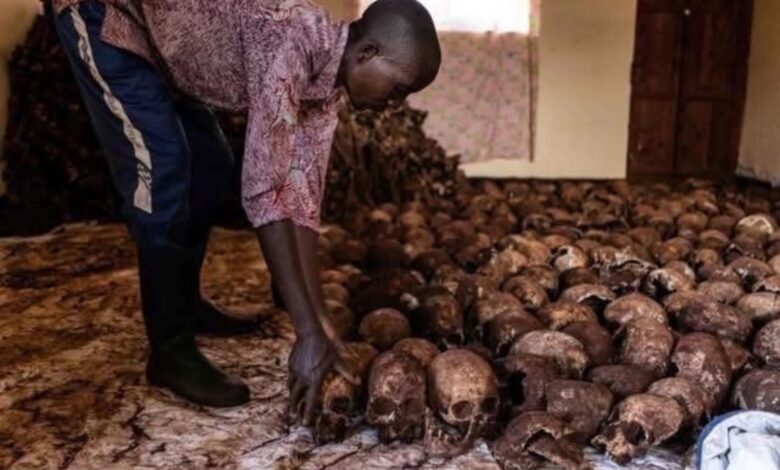
The Nyamata Genocide Memorial, a UNESCO World Heritage Site, is one of Rwanda’s most prominent national memorial sites, erected around an old Catholic church located about 30 kilometers south of the capital, Kigali.
The site commemorates one of the bloodiest genocides of 1994, in which an estimated 50,000 people were killed in the Nyamata church area, including about 15,000 who died inside the church itself between April 16 and 18 of that year.
During the waves of violence, thousands of Tutsis sought refuge in churches, as had been the case in previous incidents, but this time those buildings became killing fields. After the militias initially failed to storm the church, the presidential guard was called in and used grenades to break in before finishing off the survivors with machetes.
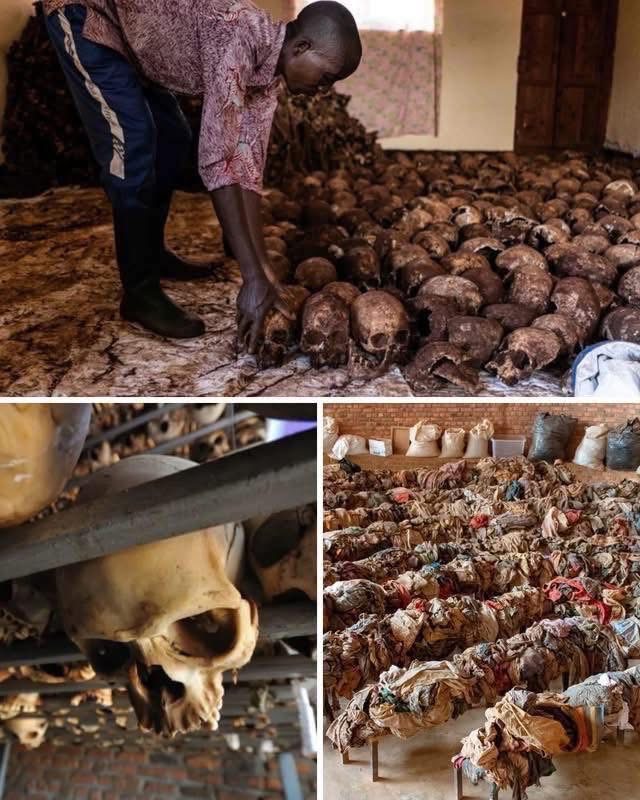
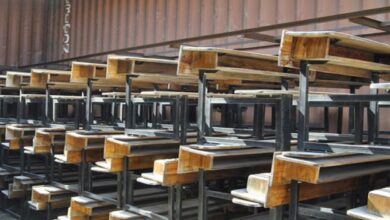
Inside the church, the pews designed to accommodate about 600 worshippers still bear witness to the scale of the tragedy, as they are covered with the victims’ clothes that have piled up in a dense manner, in a scene that reflects the enormous scale of human losses.
In the basements beneath the building, bones and skulls are piled from floor to ceiling on dedicated shelves, still bearing traces of violence from cracks and holes left by the instruments of murder.
Statistics estimate that the Rwandan genocide, which lasted from April to July 1994, resulted in the deaths of approximately one million people in just one hundred days. The Nyamata Memorial Centre preserves original artifacts from that period unaltered, serving as a tangible testament to one of the most horrific crimes in modern history, in an ongoing effort to commemorate the tragedy and prevent its recurrence.