South Sudan: Arms embargo undermines state authority and emboldens opposition groups
Global Governance Forum for Human Rights
Amnia Hassan
The government confirmed South SudanIts commitment to promoting human rights through inclusive development, calling for the reform of international institutions to ensure justice and equality among nations, particularly those of the Global South.
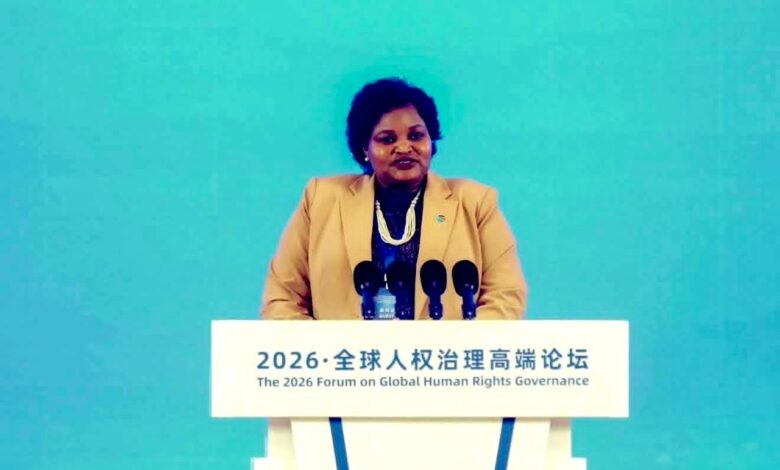
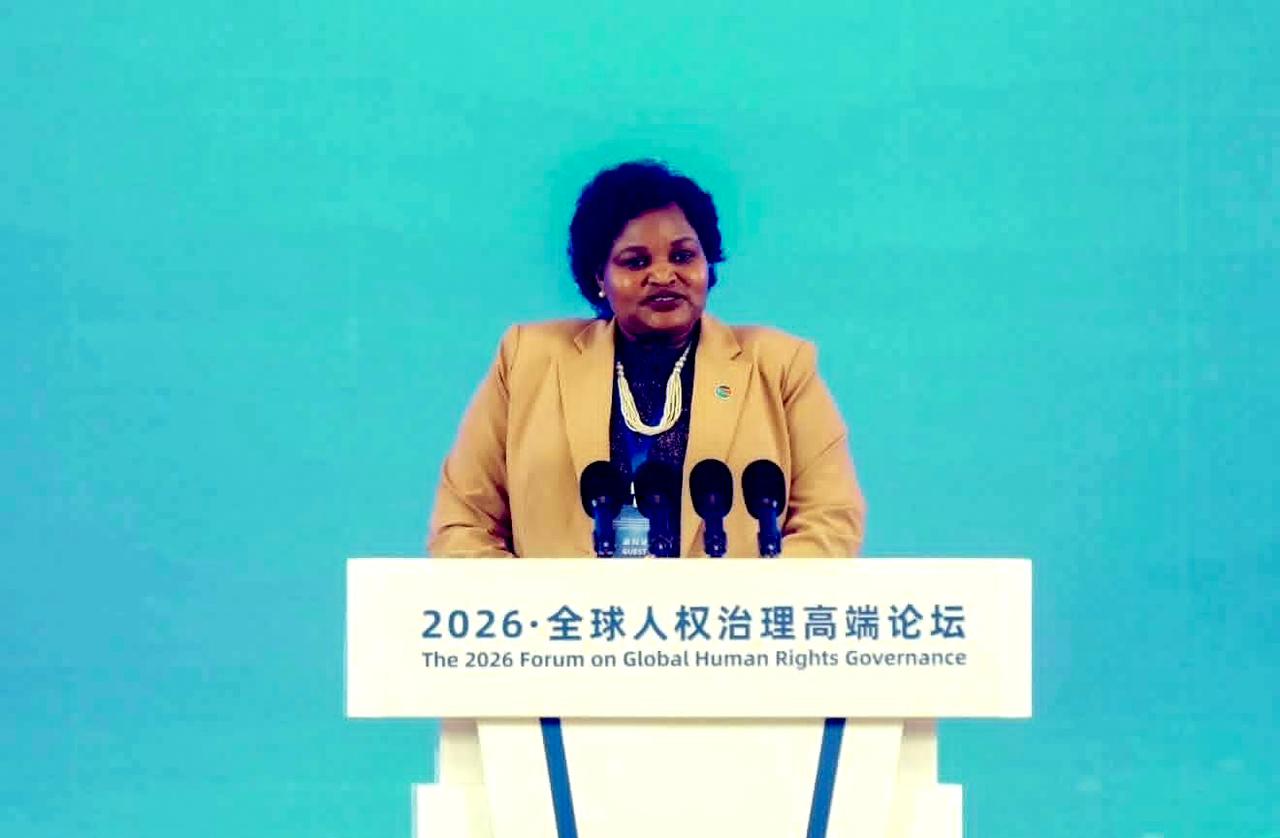
This came in a speech by the Republic of South Sudan, delivered by the Undersecretary of the Ministry of Foreign Affairs and International Cooperation, Ambassador Agnes Adelino Oreva Oswaha, during her participation in the Global Human Rights Governance Forum 2026, which was held in the Chinese capital, Beijing, on June 11 and 12, under the theme: «Shared Development and Shared Human Rights: The 40th Anniversary of the Adoption of the Declaration on the Right to Development and a New Vision for Global Human Rights Governance.».
The right to development is a fundamental human right.
Oswaha stated that the right to development is a fundamental human right, noting that the provision of basic services such as education, health, food, security, and shelter, alongside economic development, are essential pillars for promoting human rights. She added that these principles form the basis of South Sudan's 2040 vision, which aims to build a stable and prosperous nation.
She praised the steps taken by the government in the education sector, noting President Salva Kiir Mayardit’s decision to make education free for all students up to the pre-university level, as part of the state’s efforts to ensure access to basic services for all citizens.
She also reviewed the progress made by South Sudan in protecting and promoting human rights, through the implementation of national, regional and international laws that guarantee the rights of women, children, the elderly and persons with disabilities, as well as recognizing local customs and traditions and promoting their role in society.
The Undersecretary of State called for urgent reform of multilateral institutions, including the UN Security Council and international financial institutions, to reflect the principles of sovereignty, equality and fairness, and to end policies that hinder the development of countries of the Global South.
Oswaha criticized the continued arms embargo and targeted sanctions on South Sudan, arguing that they are unfair measures that encourage opposition groups and undermine state authority.
She concluded her speech by emphasizing South Sudan’s commitment to collective action and international cooperation, calling on the international community to promote solidarity, peaceful coexistence and religious tolerance, in order to ensure that all peoples benefit from the fruits of development and human rights.