South Africa is on a knife's edge... Ramaphosa clings to power and refuses to resign
Ramaphosa refuses to resign in South Africa
Written by: Mohammed Omran
The political landscape has changed in South Africa After the Constitutional Court overturned Parliament’s 2022 decision to block the Independent Commission’s report under Article 89, effectively meaning that a formal impeachment inquiry must proceed against President Cyril Ramaphosa, his speech at a conference addressed to the nation came as a surprise.
Ramaphosa clings to power and refuses to resign
This ruling revives the Falla Falla scandal, which centered on the theft of foreign currency from the president's farm in 2020, and questions about whether he violated the constitution or his constitutional oath, while opposition parties, including the Economic Freedom Fighters, intensified their calls for his immediate resignation. The African National Congress and supporters of the Government of National Unity argued that the president should be allowed to face the investigation while maintaining national stability.
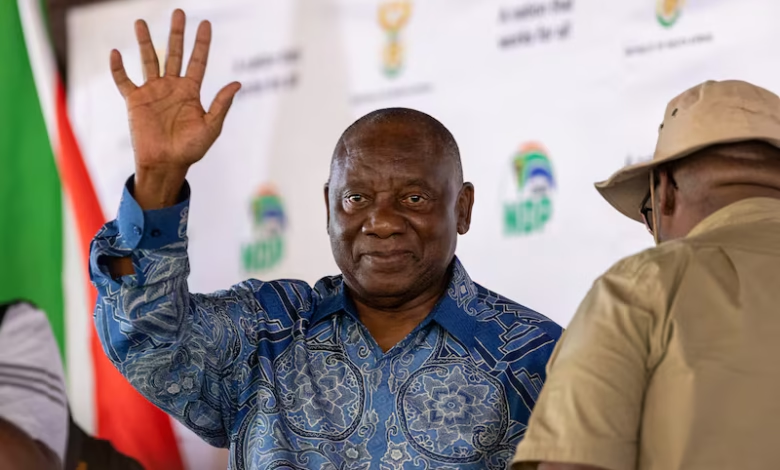
But President Cyril Ramaphosa surprised everyone by announcing that he does not intend to resign from his position, and that he intends to challenge the report, which contains findings against him.
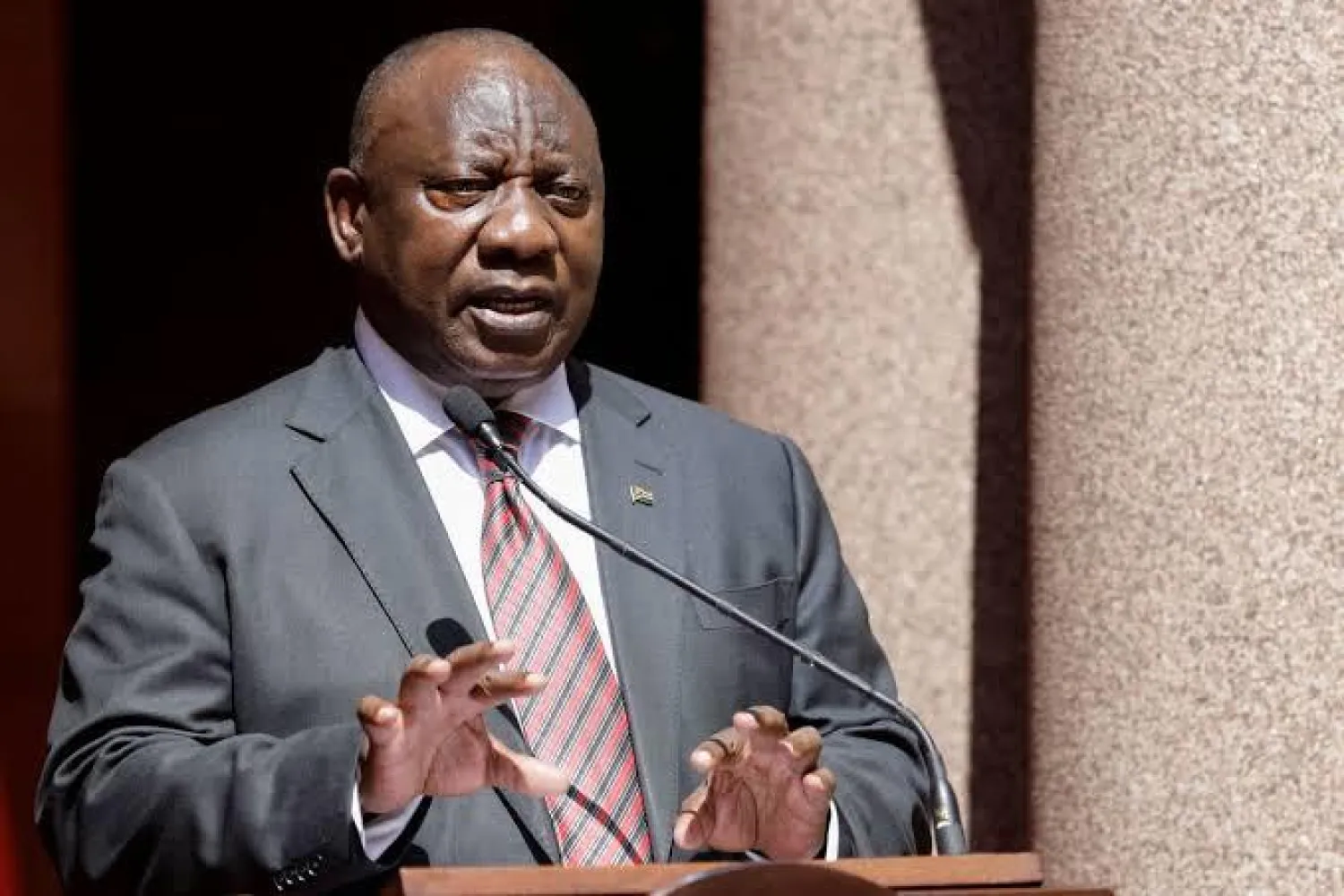
This came in a speech to the nation on Monday, May 11, 2026, in which the president said he was facing calls to resign from his position because of the ruling, noting that he had also been encouraged not to resign.
He explained that there is nothing in the Constitutional Court’s ruling that compels him to resign, adding: “I want to make it clear that I will not resign. Resigning now would mean surrendering to those who seek to obstruct the rebuilding of our society.”.
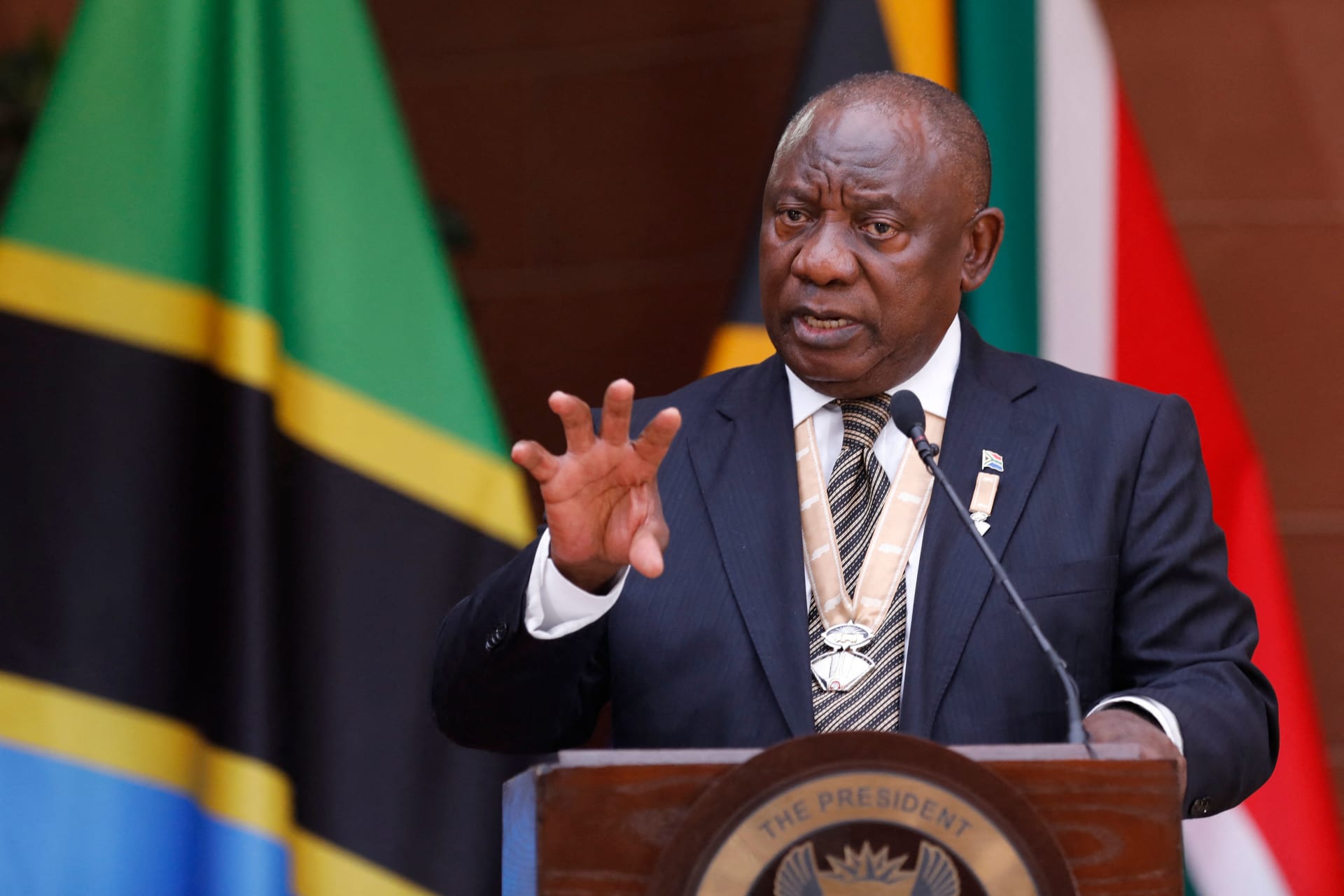
He affirmed his commitment to serving the people of South Africa, recognizing the need for certainty and stability, especially during challenging times like the ones we are currently experiencing.
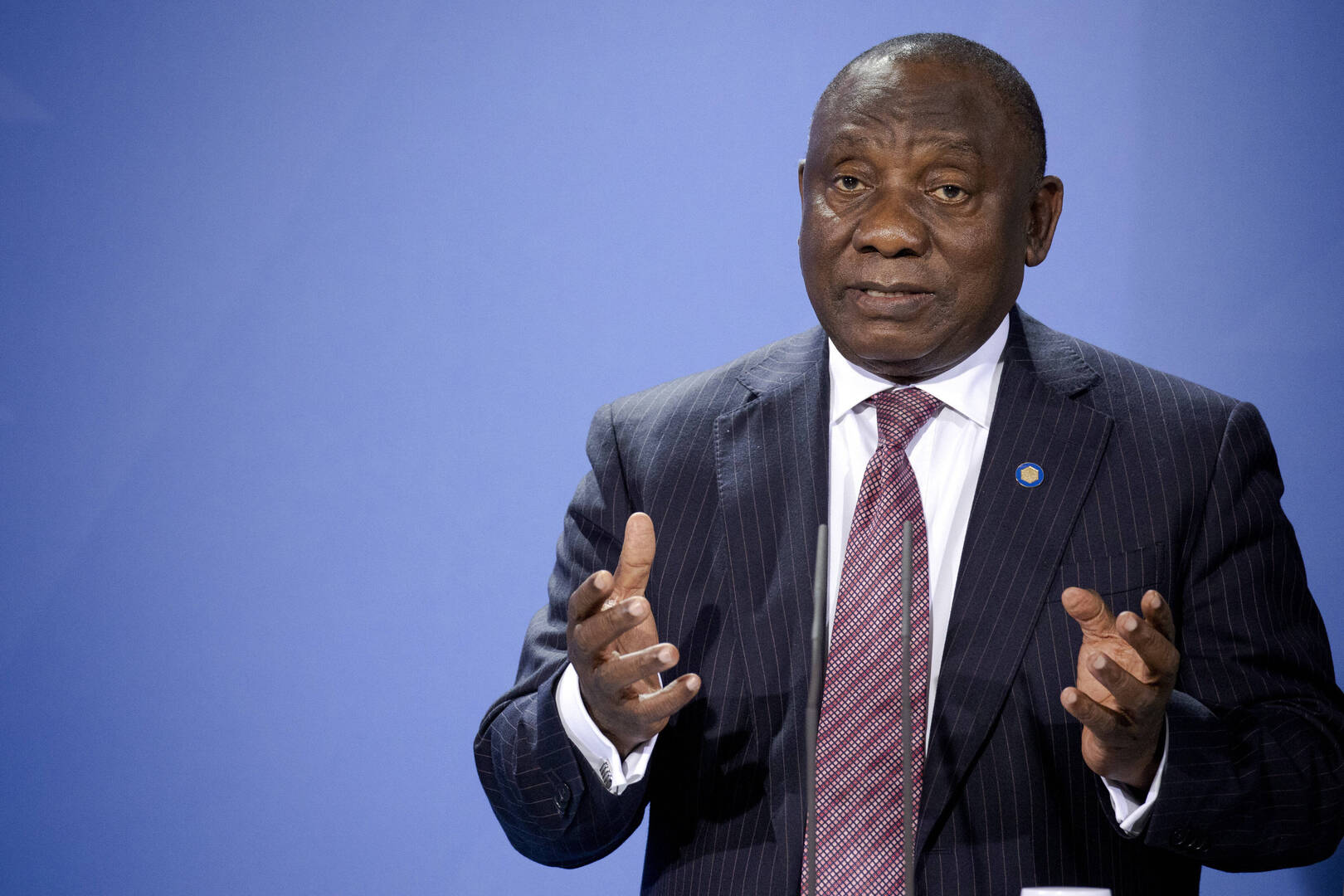
He pointed out that he had not stolen any public funds, had not committed any crimes, and had cooperated with all investigations, explaining that he had always maintained his innocence in this case and that he did not agree with the committee's findings. While he moved to challenge and review the report, this action was halted when Parliament voted to cancel it.
He noted that after the Constitutional Court revived the report and put it back into effect, the president’s legal team advised him to relaunch the report review process, stressing that he did not do so as an act of defiance, but out of respect for the law and to ensure that any report with such consequences would be legally binding.
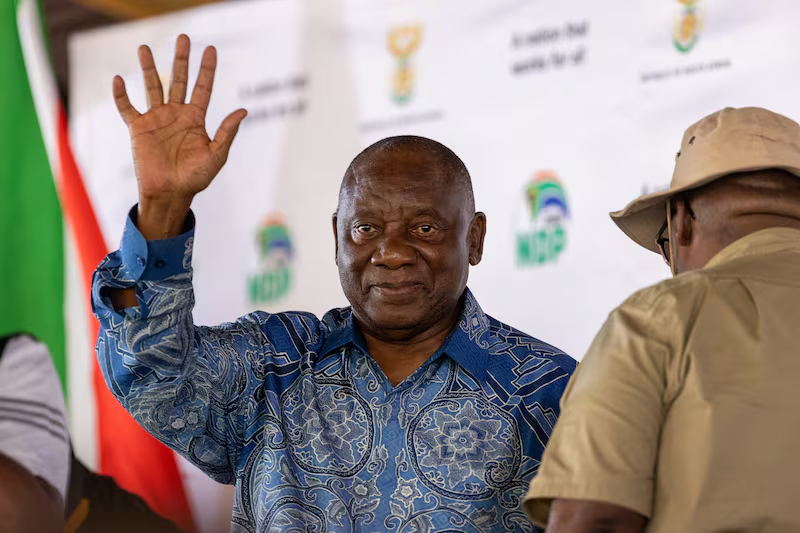
The Constitutional Court ruling represents one of the most significant judgments against a sitting president in the history of democratic South Africa.
The court had ordered parliament to properly address the Article 89 committee's report, reopening the possibility of a full impeachment inquiry against the president.
The Vala Vala scandal erupted in 2022, when the country’s former intelligence chief leveled accusations against Ramaphosa, alleging that he had tried to cover up the theft of at least $4 million from Vala Vala two years earlier.
Valla Valla is a game farm belonging to Ramaphosa in the northern Limpopo province, and it later emerged that about $580,000 had been stolen, which the president said was proceeds from the sale of buffalo.
He denied any wrongdoing and was never charged with a crime, but an independent panel found evidence that he may have committed misconduct.
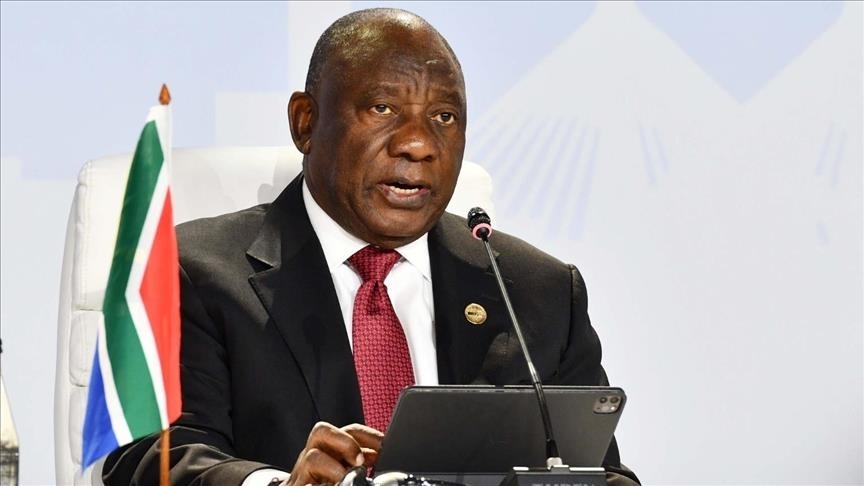
A parliamentary vote in December 2022 prevented the referral of the committee's report to the accountability committee.
Following the Constitutional Court ruling, opposition parties, Ramaphosa’s political rivals, and his biggest critics called for his resignation. However, his supporters were quick to point out that the Constitutional Court ruling did not reach any conclusions on the substance of the case, nor did it reach any negative conclusions against Ramaphosa himself.
For his part, the president said he respects the ruling and reaffirmed his commitment to the constitution, the independence of the judiciary and the rule of law, stressing that no one is above the law, and that any claims must be subjected to due legal process without fear, favor or bias.