April 27th... the day Sierra Leone wrested its freedom from British colonialism
Sierra Leone National Day
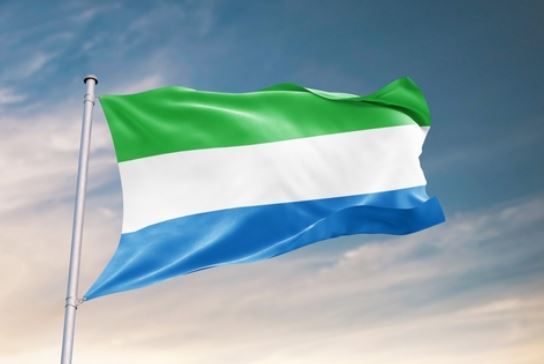
The Republic salutes Sierra Leone Its national holiday (Independence Day) is commemorated on April 27th of each year.
Today the country celebrates the 65th anniversary of its complete independence from British colonial rule, which was achieved on April 27, 1961.
This day is a national holiday, with businesses, government offices, and educational institutions closing to participate in celebrations.
Anniversary of the country's complete independence
April 27 is a date of profound significance for the people of Sierra Leone around the world, as it marks the anniversary of the country's complete independence from British colonial rule.
This important occasion provides an opportunity to reflect on the country's rich history, to honor the leaders who fought for freedom, and to look forward to a bright future.
For the people of Sierra Leone, this day represents an opportunity for communication and harmony among all segments of the population, both at home and abroad.
Families gather to eat together, communities hold joyous parades, and people take a moment to appreciate their shared heritage.
Celebrating from afar can sometimes be difficult for some citizens, but knowing the history and traditions helps them feel closer to home.
Sierra Leone has a complex and deep history, and understanding the path to independence helps us appreciate the importance of the upcoming 2026 celebrations.
British intervention in Sierra Leone began in the late 18th century. Freetown was established as a settlement for freed slaves, and by 1896, the British had declared the interior a protectorate. For decades, the people of Sierra Leone lived under colonial administration.
Sierra Leone is an independent and sovereign state.
Following World War II, demands for self-governance grew, with Sierra Leoneans asserting their right to self-rule. Through peaceful negotiations, constitutional amendments gradually granted greater political powers to the local population.
These efforts culminated on April 27, 1961, when Sierra Leone officially became a sovereign, independent state within the Commonwealth.
Key figures in independence
The peaceful transition to independence was led by dedicated leaders, and Sir Milton Margay was a pivotal figure in this movement.
As a skilled physician and astute politician, he united various ethnic groups and political factions across the country.
Sir Milton Margaye led the Sierra Leone People's Party (SLPP) and became the country's first prime minister. His focus on unity, education, and peaceful negotiation helped lay a strong foundation for the newly independent nation. Honoring his legacy is an essential part of Independence Day celebrations.
How does Sierra Leone celebrate Independence Day?
Independence Day is a national holiday filled with joy, pride, and national unity. From the bustling streets of Freetown to the small villages, the green, white, and blue colors of the national flag are proudly displayed.
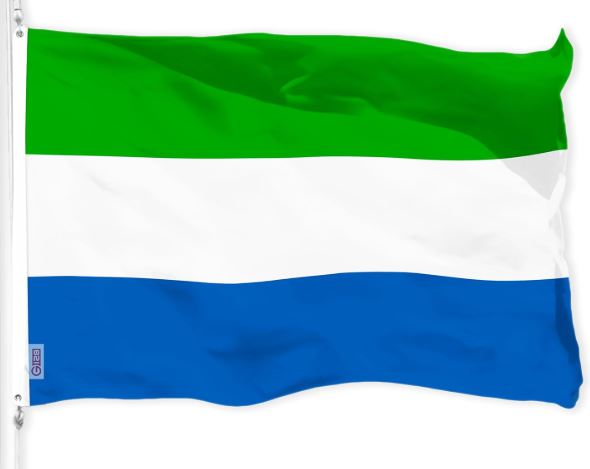
The day usually begins with official ceremonies. Government officials attend the flag-raising ceremony, and the national anthem is played with pride. Military and police forces also conduct official military parades.
The streets come alive with community celebrations. Neighborhoods organize street parties, dances, and local football matches. Children wave small flags, and many people wear traditional clothing or costumes made from fabrics bearing the colors of the national flag.
No celebration in Sierra Leone is complete without food. Families prepare large meals to share with neighbors and friends. Traditional dishes such as cassava leaves, potato leaves, jollof rice, and peanut soup take center stage. These delicious meals are symbols of generosity and community.
Music also plays a vital role. You'll hear a mix of traditional drumming, high-life, and modern Afrobeats echoing through the streets. Dancing is encouraged, and the overall atmosphere is welcoming and inclusive.