The Misseriya tribe: a rich history and inherited customs that embody the authenticity of the Sudanese desert.
Customs and traditions of the Misseriya tribe
The Misseriya tribe is one of the largest Arab tribes in Sudan, mainly concentrated in West Kordofan State, with extensions into South Kordofan and the border areas with South Sudan, and a few in Chad.
The tribe belongs to the cattle-herding group, which was historically known for raising cattle and seasonal migration in search of pastures and water sources.
This lifestyle contributed to shaping the tribe’s identity and culture, making it one of the most prominent tribes that preserved its Bedouin heritage across generations.
Generosity and social solidarity
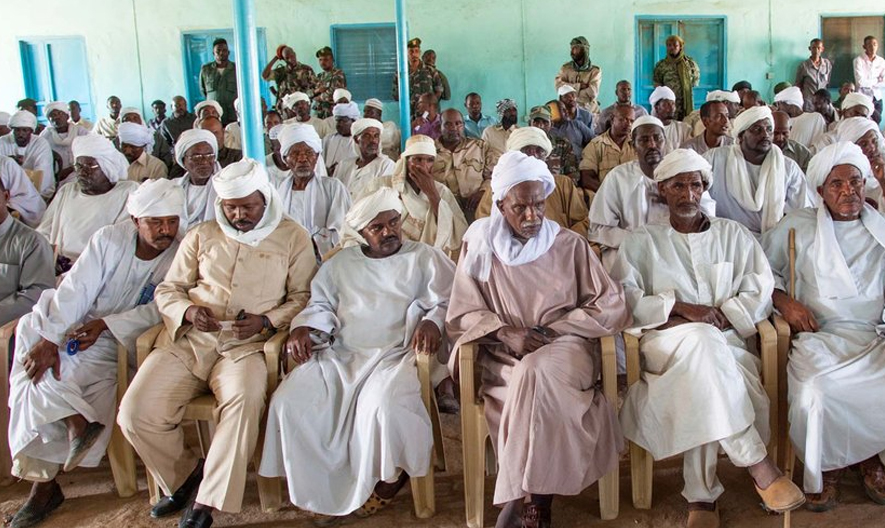
The Misseriya people are known for their generosity and hospitality, as welcoming and honoring guests is one of the most important inherited social values within the tribe.
Its members are keen to provide food and drink to the visitor, whatever the circumstances, as this is part of the authentic customs that reflect the status of the family and the tribe.
The community of the Messiri people is also based on the principle of solidarity, where everyone cooperates in times of joy and sorrow, and provides support to needy families, which strengthens the spirit of solidarity and belonging among members of the community.
Marriage and social events
Marriage is one of the most important occasions in the Misseriya community, and it is surrounded by inherited rituals and customs that reflect the strength of family and tribal ties.
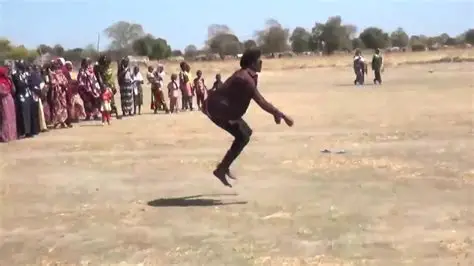
The dowry is often in the form of cattle, which symbolize wealth and social status. Wedding celebrations become major social events, featuring folk songs and traditional dances in which members of the tribe participate, creating an atmosphere of joy and pride in their cultural heritage.
Cattle breeding and lifestyle
The Misseriya tribe relies primarily on cattle herding, which is their main source of income and a symbol of social status. Tribesmen undertake seasonal migrations known as "marhal," moving between grazing areas in search of water and suitable pasture.
Cows are not only an economic resource, but are also associated with many social occasions, such as marriage and reconciliation between clans, giving them a special place in the tribal culture.
Local administration and conflict resolution
Native administration plays a pivotal role in organizing the affairs of the Misseriya tribe, where the Nazirs, Umdas, and Sheikhs are responsible for resolving disputes according to tribal customs, managing social issues, and strengthening cohesion among the tribe's members.
This system is based on dialogue and consensus, and has contributed for decades to maintaining stability within the local community.
Folklore and traditional arts
The Misseriya culture is rich in folk heritage that includes traditional songs, chants and dances, which are performed at weddings, social events and grazing seasons.
Popular poetry also forms an important part of the cultural heritage, as it deals with topics of chivalry, courage, generosity and Bedouin life, and contributes to documenting the history of the tribe and passing it on from one generation to the next.
Preserving cultural identity
Despite the social and economic changes that the region has witnessed in recent years, the Misseriya tribe remains committed to its authentic customs and traditions, while being keen to pass on this cultural heritage to new generations.
The tribe is viewed as one of the essential components of cultural diversity in Sudan, representing a model of a nomadic society that has been able to preserve its identity and heritage in light of rapid changes.