From snake bites to blood services: Nigeria expands health funding
Nigeria declares war on snakebites and tuberculosis
Our correspondent from Nigeria – Boubacar Sani
The Nigerian government has approved a new package of projects worth more than 128.29 billion naira, including the establishment of the first national center for research and treatment of snakebites, funding for the purchase of tuberculosis drugs, strengthening blood transfusion services, and implementing a new airport project, as part of its plans to develop the health sector and infrastructure.
The approvals came during a meeting of the Federal Executive Council chaired by President Bola Tinubu in the capital, Abuja.
Nigeria allocates 128 billion naira to health
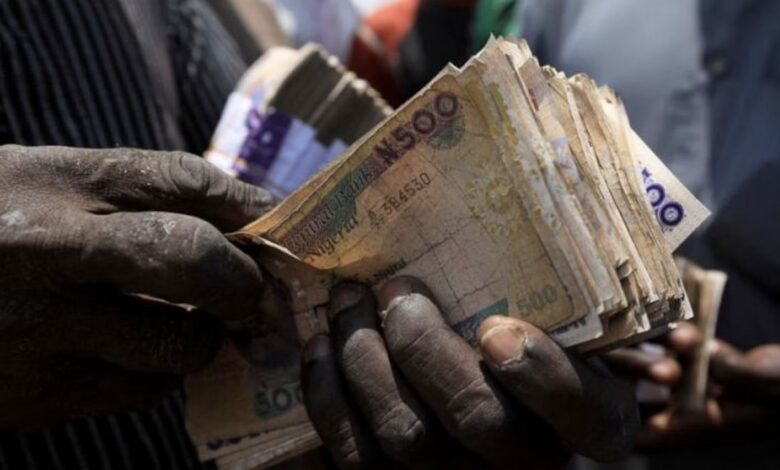
The decisions included allocating 62 billion naira to purchase medicines and supplies to combat tuberculosis, 25 billion naira to provide reproductive health and family planning medicines, in addition to 6.9 billion naira to purchase ten mobile blood donation clinics powered by compressed natural gas, as well as 34.39 billion naira to establish an airstrip in the city of Gboko in Benue State.
The Minister of Health and Social Welfare, Professor Mohamed Bate, explained that the government decided to develop the snakebite treatment center in Kaltongo, Gombe State, and transform it into a national center specializing in treatment, scientific research, training, and the production of anti-snakebite serums.
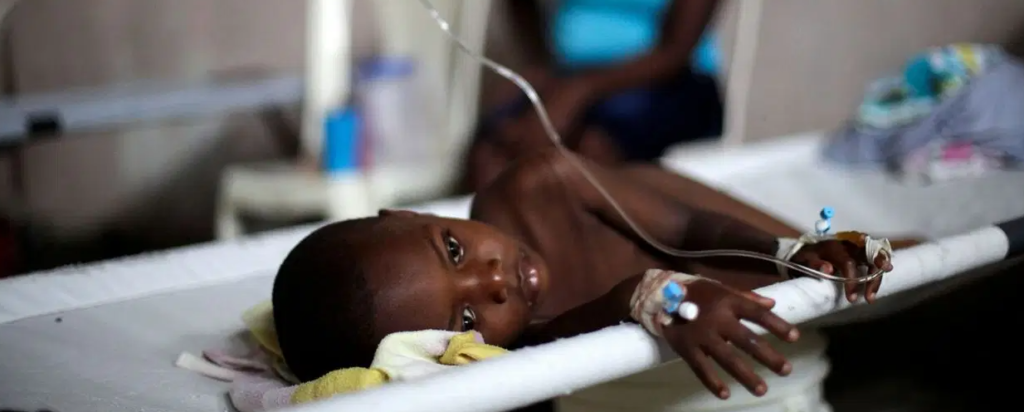
He noted that Nigeria records more than 43,000 snakebite cases annually, resulting in deaths, permanent disabilities, disfigurement, and psychological and economic repercussions, particularly among farmers, herders, fishermen, women, and children. He added that the new center will be the first of its kind in Nigeria and West Africa, and will collaborate with specialized international organizations to develop prevention and treatment methods.
The council also approved the purchase of ten mobile blood donation units for the National Blood Services Agency, with the aim of increasing voluntary donation and improving the response to emergencies, maternal care, and the treatment of accident victims and cancer patients, given the country’s need for about 1.8 million units of blood annually, while current production does not exceed 30% of this need.
In the fight against tuberculosis, the minister stressed that the government is seeking to reduce dependence on international donors by funding the purchase of medicines locally, in preparation for manufacturing them within Nigeria in the future.
For his part, the Minister of Aviation and Space Development, Festus Keamou, announced the adoption of a project to build an airstrip in Benue State, stressing that it will support agricultural activities, security operations, humanitarian interventions and medical relief, especially in the central regions of the country that face frequent security challenges.
These decisions reflect the Nigerian government's focus on boosting investment in healthcare, improving emergency services, and developing vital infrastructure to support development and security in the country.