African coffee: The secret to the world's highest quality coffee
African coffee... exceptional flavors that make it among the finest types of coffee in the world
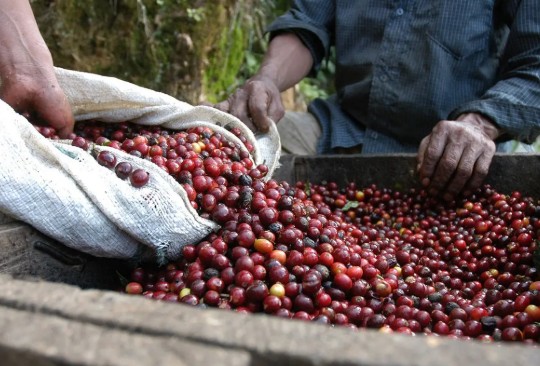
Written by: Badr Ahmed
Coffee is one of the most popular drinks in the world, with millions of people starting their day with a cup of coffee that gives them energy and focus. Despite the diversity of coffee production sources around the world, the African continent remains the historical home of coffee, producing some of the finest types of coffee that are widely appreciated in global markets, thanks to their unique flavors, high quality, and the diversity of their growing environments.
Coffee originated in the Ethiopian highlands, where historical accounts indicate the discovery of the coffee tree in the Kaffa region, before its cultivation spread to the Arabian Peninsula, and from there to various parts of the world. Even today, Africa still maintains its position as one of the most important producers of premium coffee, which is relied upon by major roasting companies and international cafes.
Why do coffee experts prefer African coffee?
African coffee beans are characterized by the diversity of their tastes as a result of the different climates, altitudes, and soils in the producing countries. Ethiopian coffee is famous for its floral and acidic flavors and its distinctive aromatic scent, while Kenyan coffee is known for its balanced acidity and flavors that tend towards fruits and citrus. Ugandan coffee, which relies heavily on Robusta production, is distinguished by its strong body and rich flavor, while Tanzanian, Rwandan, and Burundian coffees offer high-quality coffee that is increasingly popular in specialized markets.
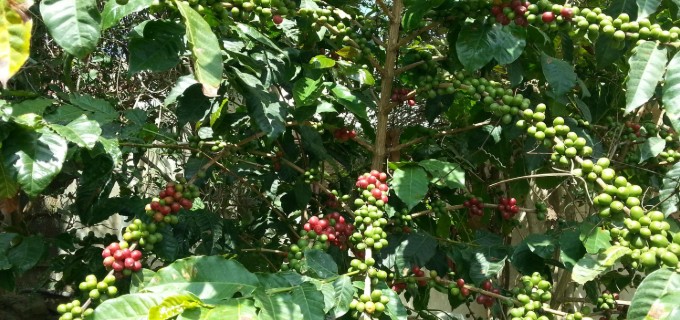
Ethiopia is the largest coffee producer in Africa, producing millions of bags annually. Coffee is one of its most important exports and a major source of income for millions of farmers.
Uganda comes in second in Africa thanks to its large production of Robusta coffee, while Kenya, Tanzania, Rwanda, Burundi and Ivory Coast occupy advanced positions among producing countries, with each country distinguished by different flavor characteristics related to the nature of the agricultural lands and processing methods.
Globally, Brazil leads the list of the world's largest coffee producers by a wide margin, followed by Vietnam, then Colombia, Indonesia, Ethiopia, which is the largest African producer, then Uganda, India, Honduras, Peru, and Mexico. Although African production is less than that of some major countries, African coffee enjoys an exceptional reputation in specialty coffee markets, where it is often sold at high prices due to its high quality.
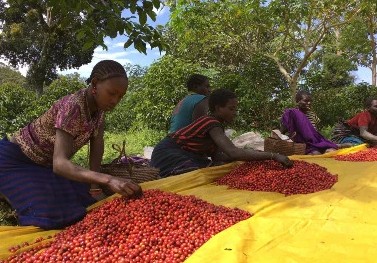
Coffee cultivation contributes to supporting the economies of many African countries, as it provides job opportunities for millions of families and represents an important source of foreign currency through exports. Several governments on the continent are working to develop coffee value chains and encourage investment in local manufacturing, which contributes to increasing economic returns instead of just exporting raw beans.
With the rise in global coffee prices, some markets have become accustomed to adulterating coffee by adding cheaper materials, such as roasted chicory, barley, corn, caramel, or other ground seeds, which affects the quality and nutritional value of the product.
How can you tell the difference between natural and adulterated coffee?
Consumers can distinguish between natural and adulterated coffee in several simple ways, the first of which is the texture test, where a small amount of ground coffee is taken between the fingers. If it clumps easily and forms a cohesive mass, this may indicate that it contains additives such as chicory, while natural coffee remains more cohesive in its granules without sticking easily.
A water test can also be performed by placing a small amount of ground coffee on the surface of a clear glass filled with water without stirring. If the granules remain floating for a few seconds before gradually sinking, the coffee is likely natural. However, if they sink directly to the bottom or a brown or yellow color spreads rapidly in the water, this may indicate the presence of additives or adulterants.
Another method is to place a drop of water on a small amount of ground coffee. If the coffee absorbs the water quickly and becomes paste-like, it may be mixed with chicory or other substances, whereas natural coffee needs more time to absorb water due to the nature of its beans.
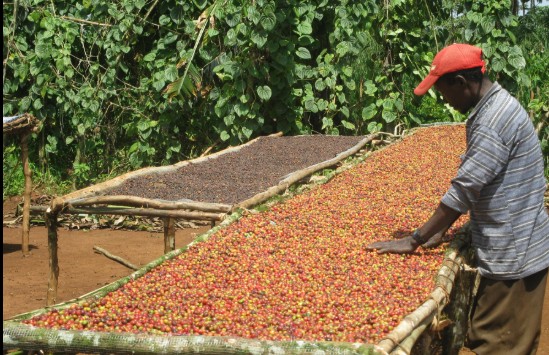
Experts recommend buying coffee from trusted brands or well-known roasters, preferably whole beans which you grind yourself as needed, as this reduces the chances of adulteration compared to pre-ground coffee. It's also advisable to read the packaging information and ensure it contains 100% pure coffee, without any undeclared additives or flavorings.
African coffee remains a symbol of quality and authenticity, not only because it represents the original home of the coffee tree, but also because it offers the world exceptional beans that combine diversity and unique flavor, making it the preferred choice for coffee lovers and taste experts, and confirming the position that Africa has held in the global coffee industry for centuries to this day.