Written by: Badr Ahmed
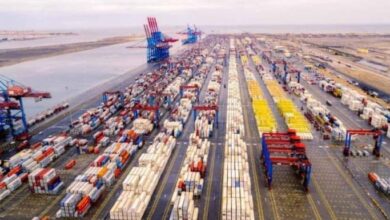
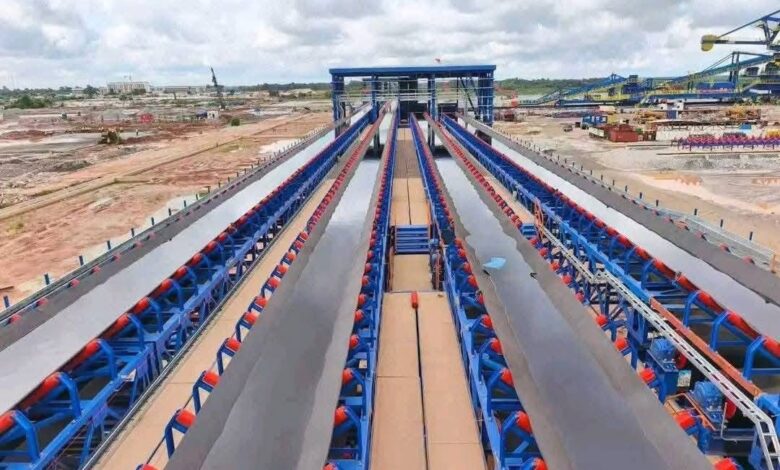
Simfer, the company operating the giant Simandou project in Guinea, revealed that it exported about 600,000 tons of iron ore to China during the first three months of 2026, in a move that reflects the growing importance of the project, which is seen as one of the largest mining projects in the world.
600,000 tons of Guinean iron ore are headed to China in three months.
Simfer CEO Chris Aitchison said that the shipments exported during the first quarter of the year confirm that the project has entered the actual production phase, while work continues to develop the associated infrastructure and increase its export capabilities in the coming period.
The Simandou project, with an estimated investment of $23 billion, represents the world's largest untapped reserve of high-grade iron ore, making it one of the most important strategic mining projects on the African continent. Located in southeastern Guinea, the project boasts vast reserves expected to solidify the country's position as a major global exporter of iron ore.
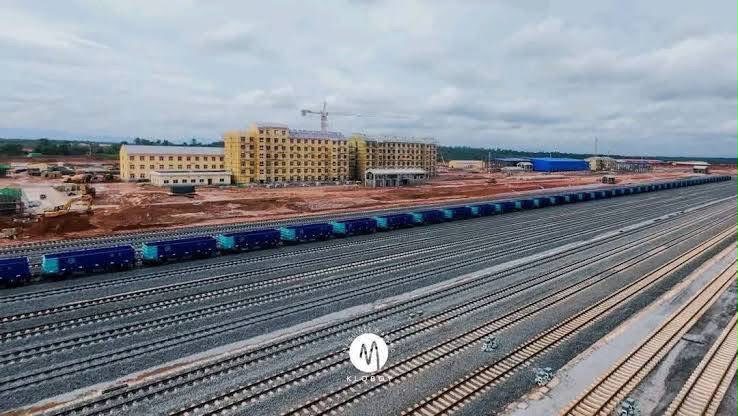
Despite the importance of these figures for the Guinean economy, they also highlight one of the most prominent challenges facing African countries, which is the continued reliance on exporting raw materials without processing or converting them into value-added products within the continent.
Economic experts believe that exporting iron ore in its raw form deprives African economies of significant industrial returns that could be achieved by establishing steel plants and industrial complexes linked to the mining sector, which would provide ample job opportunities and boost local economic growth.
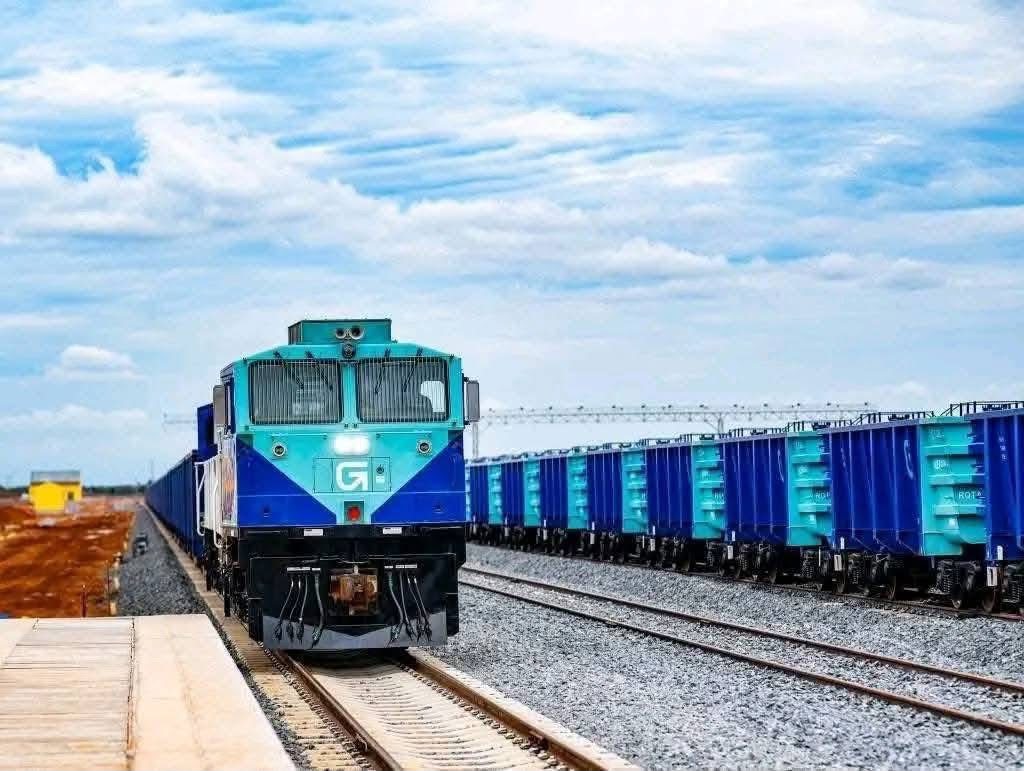
The Simandou project is managed through an international partnership comprising Rio Tinto, China's Chalco Iron Ore Holdings (CIOH), and the Guinean government, via the joint venture Simfer. This partnership aims to develop and exploit one of the world's richest iron ore deposits, with expectations of significantly increasing production and exports in the coming years.
The success of the project confirms the enormous potential that the African continent possesses in the natural resources sector, but at the same time it raises questions about the ability of African countries to move from the role of exporter of raw materials to the role of producer and manufacturer, in order to achieve greater economic value and promote sustainable development in the long term.