Democratic Republic of Congo: 450 tribes bound by culture, art, and history
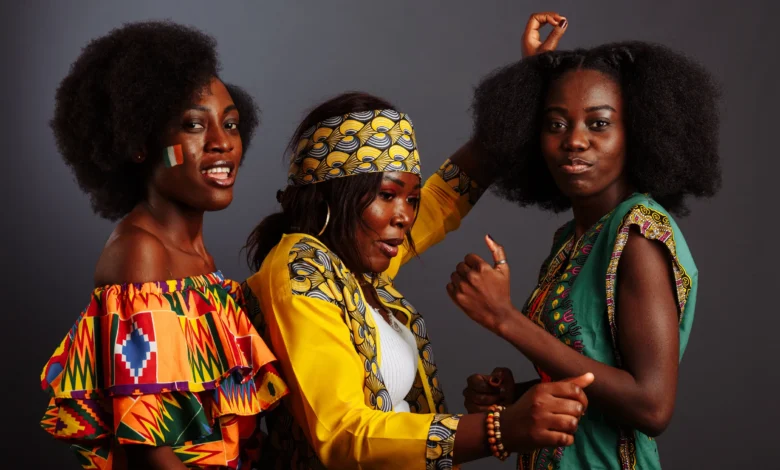
Music and dance are essential elements of Congolese culture.
Written by Ziad Abdel Fattah:
The Democratic Republic of Congo is a land of 450 tribes, dense forests, ancient rule, rumba music, arts, and unparalleled biodiversity.
From ancient kingdoms, the heritage of Luba, Congo, Cuba and other historical empires, to music and dance with a rich cultural character, as it is the birthplace of Rumba and Sokos music, a UNESCO Intangible Heritage, among all this, the features of the Democratic Republic of Congo stand out, where traditions, peoples and cultures intertwine to form a rich heritage.
The country is located in the heart of Africa, and reflects a unique blend of history, geography, and ethnic identity.
Population diversity
The Democratic Republic of Congo is home to more than 200 ethnic groups, each with its own language, customs and traditions.
From the Bantu-speaking tribes in the south to the Nilotic and Sudanese groups in the north, the country boasts a rich cultural diversity.
Bantu tribes, such as the Kongo, Luba, and Mongo, dominate the southern regions, while Nilotic and Sudanese groups, such as the Zande and Mangbetu, inhabit the northern regions. Despite this diversity, the Congolese people share a strong sense of unity and pride in their heritage.
traditional practices
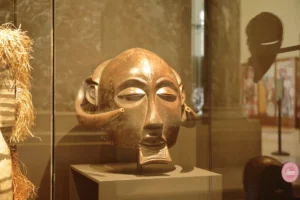
Traditional practices are an integral part of daily life in the Democratic Republic of Congo. Socialization ceremonies, ancestor worship, and communal celebrations are deeply rooted in Congolese society and are key indicators of identity and belonging. These rituals contribute to preserving cultural heritage and promoting communication and cohesion among individuals.
Rhythmic drums and vibrant costumes with dancing
Music and dance are essential elements of Congolese culture, reflecting the rhythm and vitality of daily life. The Democratic Republic of Congo is famous for its vibrant music scene, where genres such as sokos, rumba, and ndombolo captivate audiences worldwide.
Traditional dances, such as the lively Sokos and the energetic Ndombolo, are often accompanied by rhythmic drumming and bright costumes, showcasing the spirit and creativity of the Congolese people.
The kitchen is a wonderful blend of flavors.
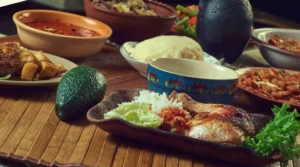
Congolese cuisine is a wonderful blend of flavors and ingredients influenced by the country’s diverse cultural heritage, with staple foods such as cassava, plantains and corn forming the basis of many dishes, while meats such as grilled fish and muambi chicken are common sources of protein.
Traditional dishes such as fufu, saka saka, and lebuki delight the taste buds and offer a culinary journey through the vibrant streets of the Democratic Republic of Congo.
Arts and crafts
Artistic traditions flourish through wood carving, basket weaving, pottery making, and beadwork. .
These crafts are passed down through generations and continue to play an important role in preserving heritage and supporting local livelihoods. Visitors can explore vibrant markets and artisans' workshops, and immerse themselves in the bright colors and details of Congolese art.
People's festivals and celebrations
The Democratic Republic of Congo hosts a wide range of cultural and religious celebrations throughout the year.
Events such as the Kinshasa Carnival and the coronation of the King of Luba highlight the vitality and resilience of Congolese culture.
Monganza ceremony marking the transition of young people to adulthood
Other notable celebrations include traditional ceremonies such as Monganza, which marks the transition of young people to adulthood, as well as religious holidays such as Christmas and Easter. .
Congo River
The Congo River, the beating heart of Africa, is one of the most important natural and cultural lifelines in the Democratic Republic of Congo. It is the second longest river in Africa, stretching over 4,700 kilometers, and supports millions of livelihoods. Historically, it has also been a major trade route. .
Flowing through dense rainforests, it sustains ecosystems and communities, while simultaneously shaping daily life and identity.
Kinshasa: the capital
Kinshasa, situated on the banks of the mighty Congo River, blends tradition and modernity in a vibrant style. With its bustling markets, lively nightlife, and rich arts scene, the city is the creative heart of the country. Its highlights include renowned museums, iconic landmarks, and lively markets.
Lingala and Swahili
Language plays a pivotal role in unifying the nation. Lingala is widely spoken in the western regions and is closely linked to music and urban culture, while Swahili is commonly used in the eastern parts of the country and throughout East Africa. Both languages contribute to fostering communication between different communities.
Maiko National Park
Maiko National Park represents the close link between culture and nature. It is home to indigenous communities such as the Mbuti and Ife tribes, whose traditions reflect a sustainable lifestyle and harmony with the environment. The park also symbolizes ongoing conservation efforts.
The role of the family in Congolese culture
The family plays a pivotal role in Congolese society, often influencing social responsibilities, decision-making, and community support systems.
How are weddings traditionally held?
Traditional weddings often include symbolic rituals, family negotiations, music, and communal feasts to celebrate the marriage.
Storytelling is important in Congolese culture.
Oral storytelling is a valuable tradition for transmitting history, moral lessons, and cultural knowledge across generations.
Fashion reflects Congolese identity
Clothing often reflects social status, heritage, and cultural pride, with both traditional dress and modern styles influencing identity.
How has colonial history influenced the culture of the Democratic Republic of Congo?
Colonialism introduced European influences, changed social structures, and affected the arts, but it also led to a strong sense of national identity and a cultural renaissance after independence.