Prepared by: Dr. Alia Amer
A demographer specializing in gender studies
Representative of North African countries to the African Union for Population Studies
qualities
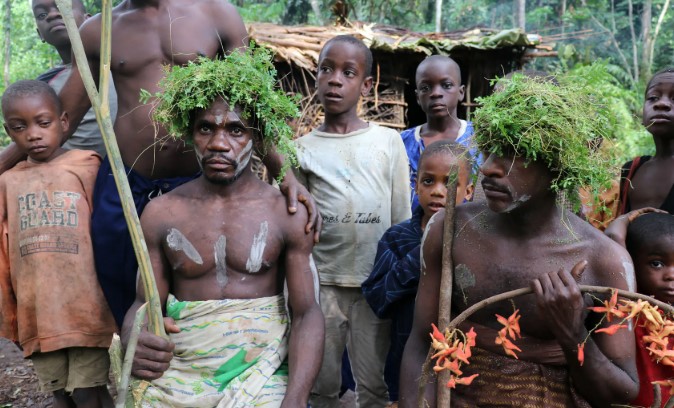
The predominant characteristics of the southern Bantu people are Negroid, with local variations to the extent that the lineage has absorbed Caucasian (Hamitic) elements, particularly in the Middle East; elements of the Huntu people in the west, and height, however, is average or slightly above average (168 cm), and perhaps it was noticeably taller in the east.
The color ranges from black, which is the case in Swaziland, to light brown among the Herero. The hair is always curly, very little on the body and face, and does not begin to appear on the face until the third ring of life.
The Caucasian influence is evident in the moderate proportions of the nose, the slightly protruding jaw, and the lips, and is generally associated with increased height. This is also observed among the Zulu and Tsenga groups. Conversely, some Bushman characteristics may have appeared in the western branch, with heads generally being long, a trait common to both the east and west.
The spread of circumcision
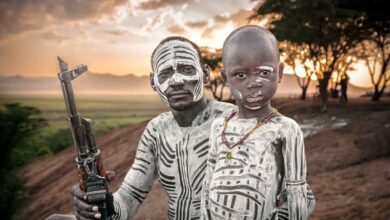
Female circumcision is common in the eastern regions, although some tribes have abandoned it. It is also believed that female circumcision still exists among some, although this practice is not widely known. In many tribes, it is customary to distort the front teeth to make them appear pointed, to extract the incisors, and to create scars and marks on the face, both in the eastern and western regions.
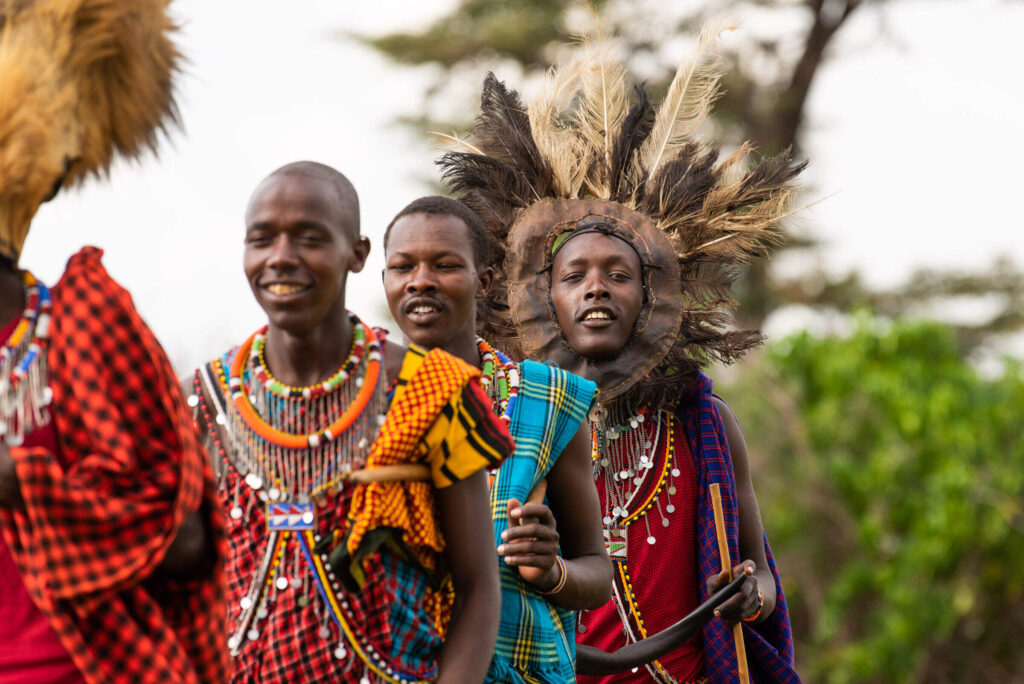
Some Zulu clans also have a custom of amputating some fingertips, a custom that may have been passed down to them from the Bushmen or the Hottentots.
From a social standpoint, this group of Bantu consists of several tribes, each with its own leader and a territory that it can defend. If it weakens and becomes fragmented, the integration fades away. Each part integrates into the tribe to which circumstances lead it. The basis for forming a tribe is not kinship and lineage, but rather grouping and organization.
Thus, the circumstances of the formation of each tribe differ. Therefore, many of them were relatively small, ranging between one thousand and two thousand people, but the phenomenon of expansion and gathering of scattered tribes resulted in the formation of a large number of large tribes that we can call peoples, such as the Sotho, Swazi, and Bamanguato.