Libya's House of Representatives raises the issue of "protecting frozen funds" abroad again
Expanding coordination with countries hosting frozen Libyan funds to reduce associated risks

Written by Ziad Abdel Fattah:
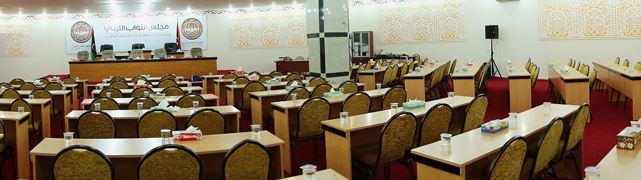
International moves in Libya relate to the issue of funds frozen abroad since 2011, where the monitoring team for the implementation of Security Council resolutions discussed the matter. LibyaThe committee, formed by House of Representatives Resolution No. 15 of 2026, met in the capital Tripoli on Thursday to discuss mechanisms for monitoring the implementation of the latest Security Council resolution concerning frozen Libyan funds abroad, as part of official moves to strengthen oversight and protect Libyan assets in accordance with international laws.
The participants stressed the importance of strengthening communication with the Security Council's sanctions committee and working to develop mechanisms data exchange The technical aspects related to the file, as well as expanding coordination with the countries hosting frozen Libyan funds in order to protect them and reduce the risks associated with them.
The meeting addressed the follow-up on the implementation of Security Council Resolutions Nos. 1970, 1973, 2441 and 2769, in addition to discussing ways to coordinate efforts between the relevant national authorities to ensure a unified reference for following up on the file and preparing related reports.
An international financial auditing firm is monitoring aspects related to frozen Libyan funds.
The participants discussed the latest developments in the implementation of Security Council Resolution No. 2819, which mandates an international financial audit office to monitor and review aspects related to frozen Libyan funds, as well as discussing mechanisms for dealing with the resolution in a way that supports transparency and preserves Libyan assets in accordance with approved international frameworks.
The team is playing its role in addressing the Security Council regarding the appointment of an independent international financial audit office to conduct a comprehensive review of all Libyan assets frozen since 2011. The process aims to identify frozen Libyan assets, determine how they are being disposed of if any, and assess management and deposit mechanisms in preparation for the recovery of these assets.
The frozen Libyan funds abroad are one of the most prominent thorny issues facing the country since the fall of Muammar Gaddafi’s regime in 2011. While successive governments in the country have tried to overcome the crisis, no government that has taken over since then has succeeded in moving the file forward.
Libyan funds were frozen abroad under UN Security Council Resolution 1973 of March 2011, which imposed sanctions on the Gaddafi regime after it was accused of suppressing the popular February 17, 2011 revolution.
The frozen Libyan funds include financial assets, money and economic resources owned directly or indirectly by the former regime abroad. According to official statistics, the frozen funds in foreign banks, including assets and bonds, amounted to $200 billion.
Europe accounts for 37,% of it, North America 33,%, followed by Africa with 23,%, the Middle East with 6,%, and South America with 11,%.