High prices of sacrificial animals spoil the joy of Eid al-Adha in Morocco
Speculation and monopolies are driving up sacrificial animal prices in Morocco despite ample supply.
Written by: Badr Ahmed
Despite the return of the ritual of sacrificial slaughter in Morocco This year, following a difficult drought season, rising prices and speculation in livestock markets have cast a shadow over Moroccan families' preparations for Eid al-Adha, amid growing calls to boycott the purchase of sacrificial animals in protest against the high prices.
Morocco is witnessing a significant improvement in its agricultural situation this year thanks to abundant rainfall during the winter, following nearly seven years of drought that severely impacted the agricultural sector and livestock. Last year, King Mohammed VI called for a halt to the Eid al-Adha sacrifices, a move aimed at giving livestock herds a chance to recover after their numbers declined due to the drought.
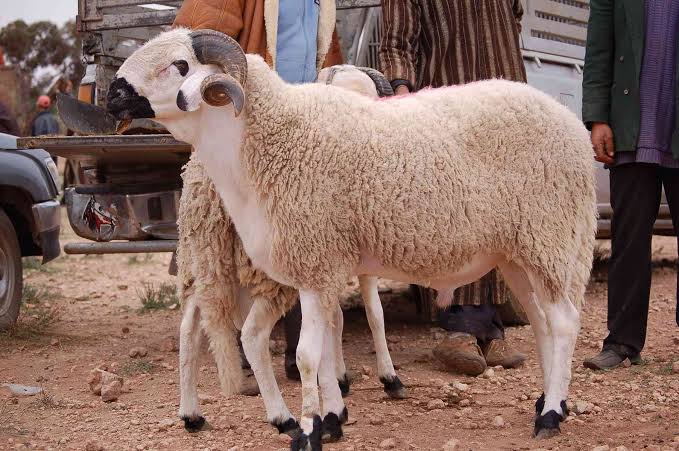
Speculation and monopolies are driving up sacrificial animal prices in Morocco despite ample supply.
As part of supporting the sector, the Moroccan government allocated a program to rebuild the herd worth about 11 billion dirhams, which included direct assistance to livestock breeders to reduce the burden of feed, in addition to regulatory measures including limiting the slaughter of female sheep to preserve the reproductive capacity of the herd.
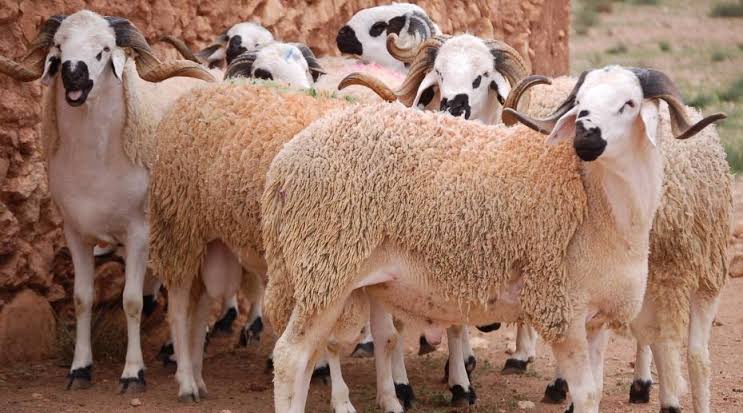
Official data indicates that the number of cattle and sheep in Morocco decreased by 38% during 2025 compared to the last census conducted nine years ago, as a result of successive waves of drought.
Despite assurances from the government and livestock traders that sacrificial animals will be available this year, high prices continue to pose a significant challenge for many families. Citizens say that speculators and middlemen have driven prices to levels beyond the purchasing power of large segments of society.
Amina Zerki, a Moroccan housewife, said that the lowest price for a sheep suitable for her large family ranges between five and six thousand dirhams, considering these prices disproportionate to her monthly income. She added that speculators have marred the joy of Eid despite the optimism that accompanied the improved weather conditions this year.
Amid rising public anger, activists on social media launched calls to boycott the purchase of sacrificial animals under the hashtag “Let it bleat,” in an attempt to pressure traders and lower prices.
For its part, the Moroccan government announced a series of regulatory and precautionary measures to ensure transparency in commercial transactions within the sacrificial animal markets, and to combat speculation, monopoly and illegal practices, in an effort to contain the crisis and ensure that the Eid season passes in a more stable atmosphere.