Sisi participates in a joint call with Trump and Arab leaders to contain the escalation
Sisi, Trump, and regional leaders in urgent call to discuss ending the war with Iran
Written by: Badr Ahmed
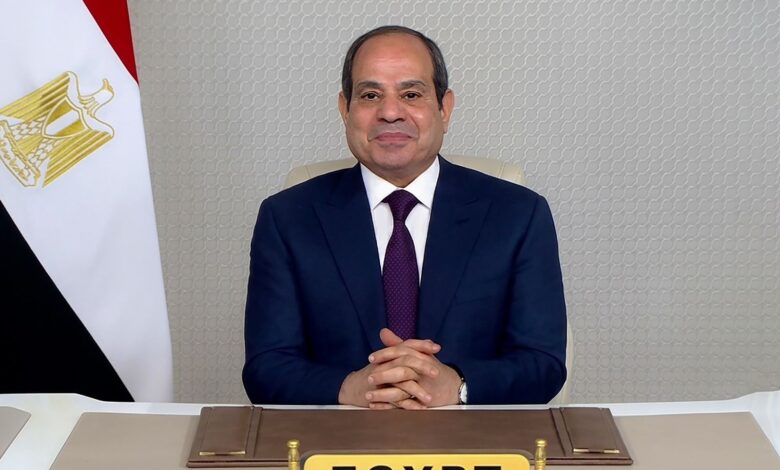
President Abdel Fattah al-Sisi participated in a joint telephone call that brought together leaders of a number of Arab and regional countries and President Donald Trump, President of the United States of America.
The official spokesman for the Presidency of the Republic stated that the call included, in addition to the President, King Abdullah II bin Al-Hussein of the Hashemite Kingdom of Jordan, King Hamad bin Isa bin Salman Al Khalifa of the Kingdom of Bahrain, Sheikh Mohammed bin Zayed Al Nahyan, President of the United Arab Emirates, President Recep Tayyip Erdogan, President of the Republic of Turkey, Sheikh Tamim bin Hamad Al Thani, Emir of the State of Qatar, Prince Mohammed bin Salman, Crown Prince of the Kingdom of Saudi Arabia and Prime Minister, and Field Marshal Asim Munir, Commander of the Pakistani Army.
Sisi, Trump, and regional leaders in urgent call to discuss ending the war with Iran
Ambassador Mohamed El Shenawy, the official spokesperson, added that the President and the leaders participating in the call renewed their appreciation and praise for the efforts made by the US President and the concerned parties to reach an agreement to end the war with Iran and to restore security and stability in the Middle East region, calling on President Trump to continue those efforts and his wise leadership in order to achieve sustainable peace and security in the region and the world.
The official spokesperson explained that the President’s participation in the call came within the framework of Egypt’s efforts to promote regional peace and stability, and to advance the chances of reaching a comprehensive and sustainable agreement between the United States of America and Iran, which would end the current state of tension and prevent renewed escalation in the region.
During the call, the President stressed the importance of seizing the current opportunity to reach a comprehensive agreement through negotiations, affirming that Egypt will spare no effort in providing all forms of support and assistance to facilitate these negotiations, in coordination and cooperation with sister countries.
The official spokesperson indicated that the President emphasized the importance and necessity of utilizing the available diplomatic window to reach a peaceful settlement that contributes to maintaining regional and international peace and stability. The call also included in-depth discussions among the participating leaders and officials regarding the latest developments in the regional situation.
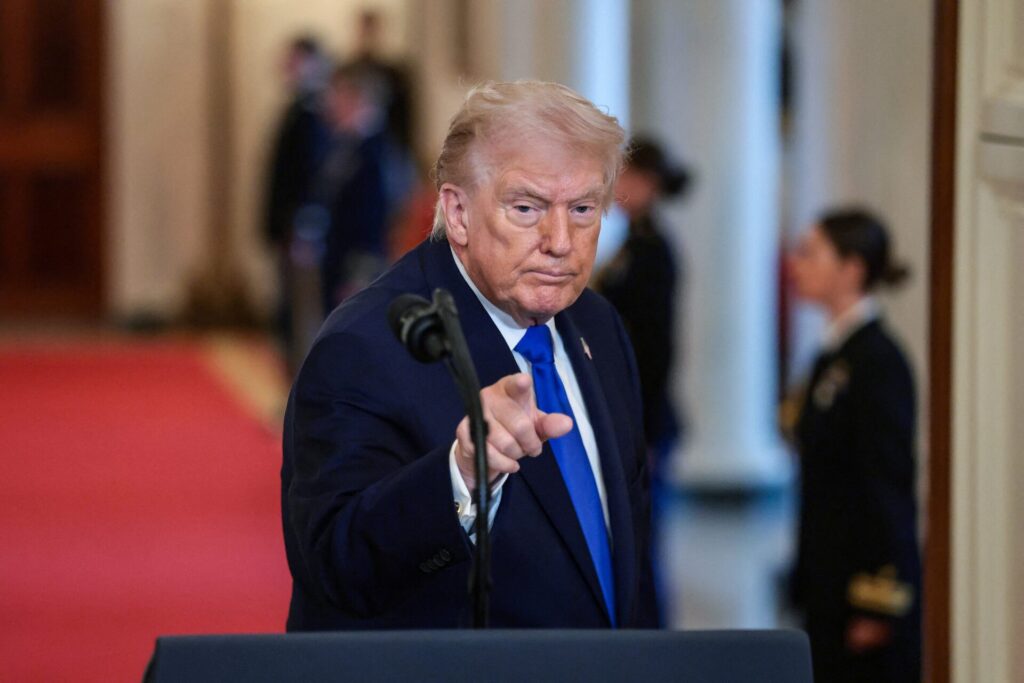
President Trump expressed his appreciation for the visions and efforts of the President and the participating leaders, and their keenness to coordinate positions with the United States, stressing the importance of continuing to strengthen the existing political cooperation and coordination between the United States and the countries of the region.
For their part, the participating leaders stressed the importance of maintaining regional peace and stability, discussed ways to enhance effective engagement to contain tension and prevent escalation, and agreed to intensify political consultations among themselves in support of diplomatic efforts and endeavors to restore peace and stability in the Middle East region.