Sonkomania: How did Ousmane Sonko become the voice of angry youth in Senegal?
A youth-led political phenomenon

Written by: Mohamed Ragab
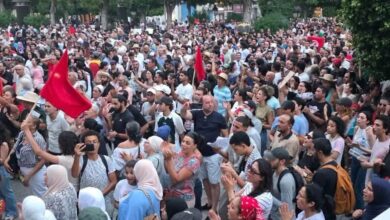
In recent years, the name of the dismissed Senegalese Prime Minister Ousmane Sonko has become a widespread political and popular phenomenon in Senegal, known locally as ”Sonkomania,” in reference to the large popular support he enjoys among broad sectors of Senegalese youth, especially in light of economic crises, unemployment, and rising anger at the traditional political elites.
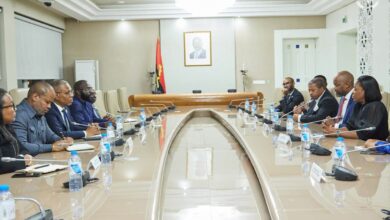
Senegalese President Bassirou Diomêne Faye's decision to dismiss Sonko and dissolve the government has sparked widespread controversy within the country, amid fears of escalating political tension in one of West Africa's most stable democracies.
Who is Osman Sonko?
Sonko is seen as one of the most prominent opposition political figures in Senegal over the last decade, having built his popularity on a discourse against corruption and foreign influence, especially French influence, along with adopting an African nationalist discourse that attracted broad segments of the youth.
Sonko began his career as a former tax official before being dismissed after accusing senior officials of corruption, subsequently founding the PASTEF party in 2014.
In the 2019 presidential election, Sonko managed to secure third place, becoming the youngest prominent presidential candidate in the history of modern Senegal, before later becoming the most influential figure within the Senegalese opposition.
But his conviction in a defamation case prevented him from running in the 2024 elections, so he supported his ally Basiru Dumai Fai, who later won the presidency and appointed him prime minister.
The emergence of political disputes
Despite the strong alliance that initially brought the two men together, political differences gradually began to emerge within the government, particularly regarding the management of the economic crisis and the relationship with the International Monetary Fund, in addition to energy and debt issues and the renegotiation of oil and gas contracts.
According to international reports, Sonko also rejected some economic proposals related to raising fuel prices and restructuring debts, which deepened the dispute with the presidency.
Sonko is particularly popular among young Senegalese who see him as a symbol of political and social change, especially after years of protests against the rule of former President Macky Sall.
His name has also been associated with demands for social justice, fighting corruption, and reducing foreign influence within the country.
Observers believe that Sonko’s dismissal may not mean the end of his political influence, but may represent the beginning of a new phase of conflict within the Senegalese political scene, especially with the increasing talk about the possibility of his candidacy for the next presidential elections after the recent amendments to the electoral law, which may open the door for him to run for president in 2029.