Political earthquake in Nigeria ahead of elections
Opposition parties banned ahead of elections in Nigeria
Written by: Badr Ahmed
On Monday, a federal court in Nigeria issued a ruling obligating the Independent National Electoral Commission to cancel the registration of one of the most prominent political opposition parties, along with four other parties, on the grounds that they did not meet the constitutional and legal requirements regulating the party process in the country, in a decision that is likely to reshape the political landscape before the elections scheduled for next January.
Disqualifying opposition parties before elections
Federal Supreme Court Justice Peter Lefoe upheld claims made by former lawmakers who asserted that the parties in question had failed to meet the minimum electoral performance standards stipulated by Nigerian law, thus justifying their removal from the electoral register.
Under Nigerian law, any political party is required to win at least one elected seat at any level of government, or obtain at least 25% of votes in a single state during the presidential elections. If these conditions are not met, the party is liable to be officially deregistered.
This decision is seen as an important development that could limit the strength of the political opposition in the country and directly affect the balance of power in the upcoming election race, especially with the presidential and legislative elections approaching in January.
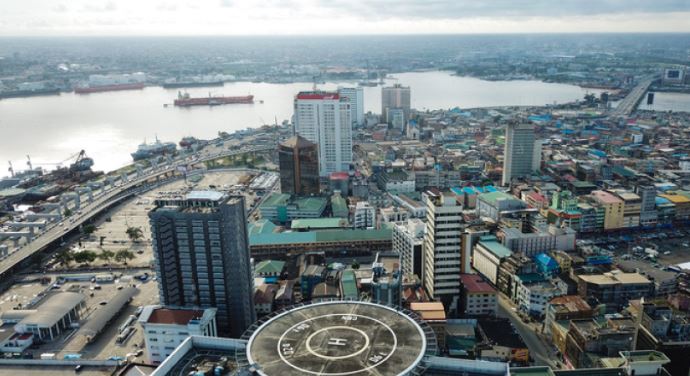
The ruling also poses obstacles for former Vice President Atiku Abubakar, the Democratic Workers Party candidate and one of the most prominent potential rivals to current President Bola Tinbobo, as the decision could reduce the opposition's support base and fragment the political forces opposed to the ruling party.
For its part, the Democratic Workers Party rejected the court ruling, deeming it unfair and describing it as an explicit call for chaos, according to party spokesman Bolaji Abdullah, who confirmed that the party would appeal the decision through all available legal and constitutional channels.
This development comes amid a tense political climate in Nigeria, with escalating competition between the main parties in preparation for the upcoming elections, amid concerns about the impact of judicial decisions on the democratic landscape and the balance of power within the country.
The case is expected to spark widespread controversy within political and legal circles, at a time when Nigeria is preparing for one of the most important electoral events in recent years.