Egypt and 18 African countries condemn Somaliland's move to open an embassy in occupied Jerusalem.
Unilateral measures aimed at entrenching an illegal reality
The Foreign Ministers of the Arab Republic of Egypt, the Kingdom of Saudi Arabia, the State of Qatar, the Hashemite Kingdom of Jordan, the Republic of Turkey, the Islamic Republic of Pakistan, the Republic of Indonesia, the Republic of Djibouti, the Federal Republic of Somalia, the State of Palestine, the Sultanate of Oman, the Republic of Sudan, the Republic of Yemen, the Lebanese Republic, the Islamic Republic of Mauritania, the State of Kuwait, the People's Democratic Republic of Algeria, the People's Republic of Bangladesh, and the Kingdom of Morocco condemned in the strongest terms the illegal and unacceptable step taken by the so-called "Somaliland" region to open an alleged "embassy" in the occupied city of Jerusalem, in flagrant violation of international law and relevant international legitimacy resolutions, and as a direct infringement on the legal and historical status of the occupied city of Jerusalem.
Unilateral measures aimed at entrenching an illegal reality
The ministers affirm their complete rejection of any unilateral measures aimed at entrenching an illegal reality in occupied Jerusalem or granting legitimacy to any entities or arrangements that violate the rules of international law and relevant United Nations resolutions, reiterating that East Jerusalem is Palestinian territory occupied since 1967, and that any steps aimed at changing its legal and historical status are null and void and have no legal effect.
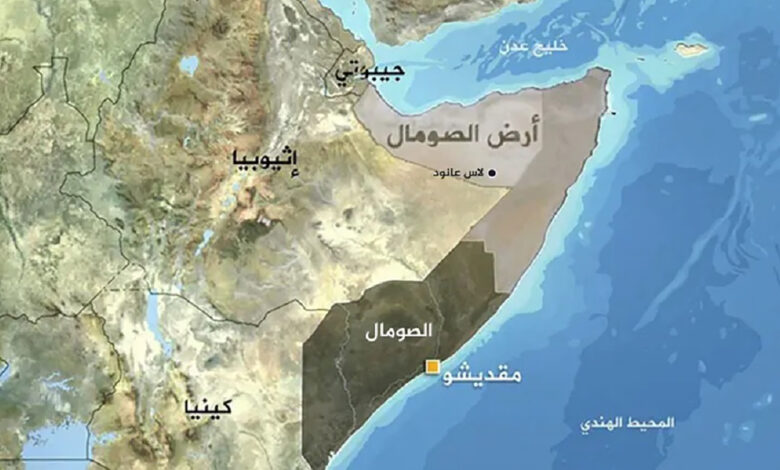
The ministers stress their full support for the unity, sovereignty and territorial integrity of the Federal Republic of Somalia, and their complete rejection of any unilateral actions that affect the unity of Somali territory or diminish its sovereignty.
The announcement by the “Somaliland” region of the opening of its embassy in the occupied city of Jerusalem sparked a wide wave of controversy and rejection at the Arab and international levels, in a move described as unprecedented politically and legally.
Observers believe that this move comes in the context of the region's attempts to strengthen its diplomatic presence outside the framework of full international recognition, especially given that it is an entity not recognized as an independent state by the United Nations.
This move was met with widespread condemnation from Palestinian and Arab parties, as political forces considered it a blatant violation of international law and international legitimacy resolutions regarding the status of Jerusalem. They also stressed that any opening of diplomatic missions in the occupied city is an attempt to establish a new political reality that contradicts the international consensus that considers Jerusalem to be occupied Palestinian territory.
On the other hand, analysts believe that the moves of “Somaliland” reflect its pursuit of gradual political recognition through controversial diplomatic channels, but this step may increase its international isolation instead of strengthening its position, given the sensitivity of the Jerusalem issue and its status in the Palestinian-Israeli conflict, and the accompanying escalating political and diplomatic tension.