The courtship dance of the Wadaibi tribes: a beautiful ritual reflecting the identity of the African Sahara
One of the most prominent social rituals
Written by Omnia Hassan
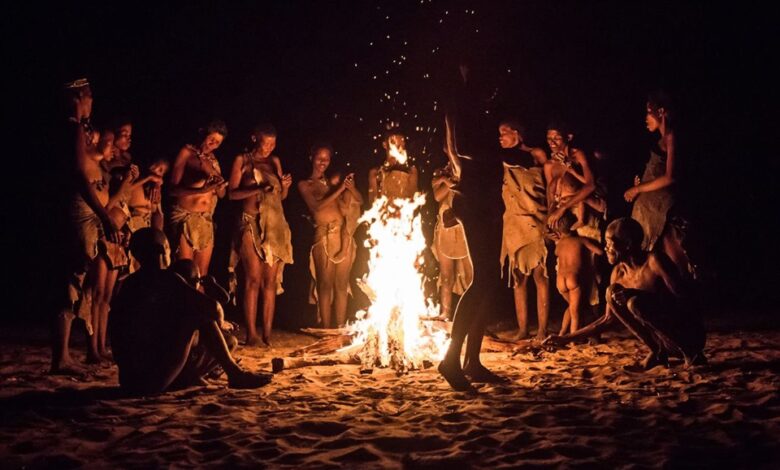
The courtship dance of the Wodaabe tribes, also known as the Fulani Wodaabe, in the Sahel region AfricanIt is one of the most prominent social rituals that embodies standards of beauty and acquaintance among young people.
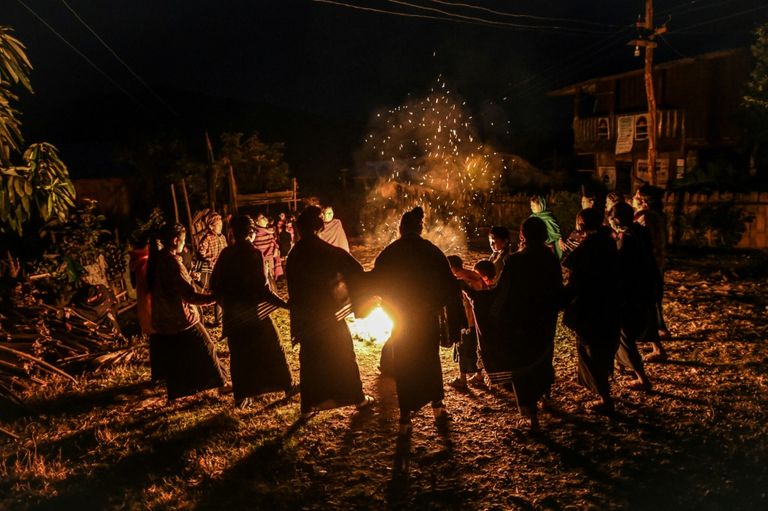
This dance is widespread in Niger and Chad, and is performed annually during the rainy season, when members of the tribe gather for long celebrations that last for days.
rituals
The dance is based on men displaying their aesthetic qualities such as white teeth, tall stature, and lively movement.
The participants wear traditional face paint and colorful costumes, then perform rhythmic movements in front of the women, who choose the most attractive among them. This moment is part of the community's informal marriage traditions.
Cultural connotations
The Wadai dance symbolizes the balance between natural beauty and social values, and reflects the tribe's philosophy of love and free acquaintance. UNESCO has classified it as an intangible cultural heritage because of its profound human symbolism.
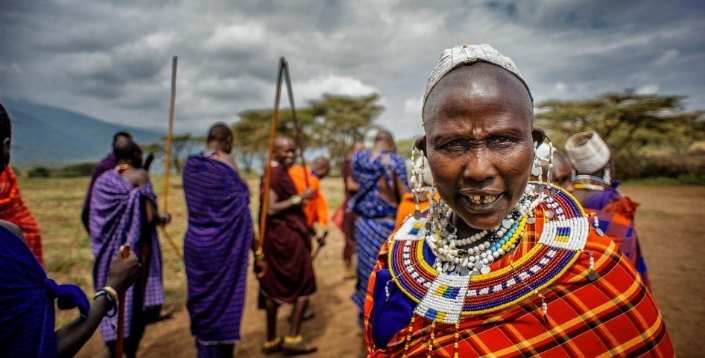
The courtship dance of the Wadaibe remains one of the most interesting African rituals, combining art, identity and social dimension, making it an important subject for researchers in cultural anthropology.
Historical background
The Wadai people trace their origins to the nomadic Fulani group of the Sahel region, leading a nomadic pastoral lifestyle in search of water and grazing land. Their courtship dance is part of the renowned Geriol festival, which draws thousands of participants annually.
Tourist and anthropological importance
The Wadai dance has become a focus of attention for researchers and tourists alike, as it represents a unique model for understanding beauty standards in African cultures. It also contributes to strengthening the cultural identity of nomadic tribes in the face of modern changes.
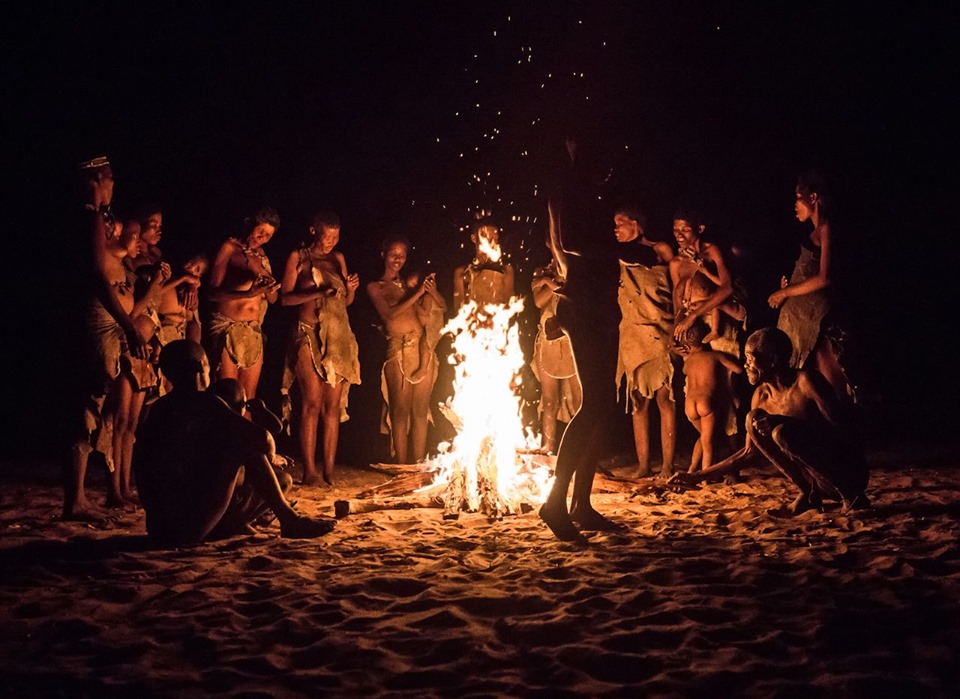
The courtship dance of the Wadaibe remains a living symbol of African heritage, and is documented by numerous anthropological studies as a cultural practice that reflects human diversity.
UNESCO reports and African studies centers point to the importance of preserving this intangible heritage because of its historical, social and human value.
Ethnographic studies confirm that the courtship dance of the Wadaibe represents a complex social system that balances beauty, tradition, and free choice of marriage. It also highlights the role of women in decision-making within the community and makes the festival an annual occasion for cultural exchange between tribes in the African Sahel region. Academic interest in it continues as one of the most important living heritage rituals in the contemporary world, with increasing calls for its preservation and documentation globally in a sustainable manner to ensure its continuity for future generations in the context of globalization.