Alaa El-Ghamrawy to “Zoom Africa News”: Egypt has the experience and Africa has the will… and we are working together to eliminate rheumatic heart disease
Egypt opens its doors to treat and train personnel combating rheumatic heart disease in Africa.
Interview by: Mohammed Omran
At a time when rheumatic heart disease continues to claim the lives of thousands of children and young people in African continentMany countries face significant challenges in early detection and treatment, and Egypt is leveraging its accumulated medical expertise to lead one of the most prominent cross-border health initiatives under the slogan “End Rheumatic Heart Disease in Africa.”.
Egypt opens its doors to treat and train personnel combating rheumatic heart disease in Africa.
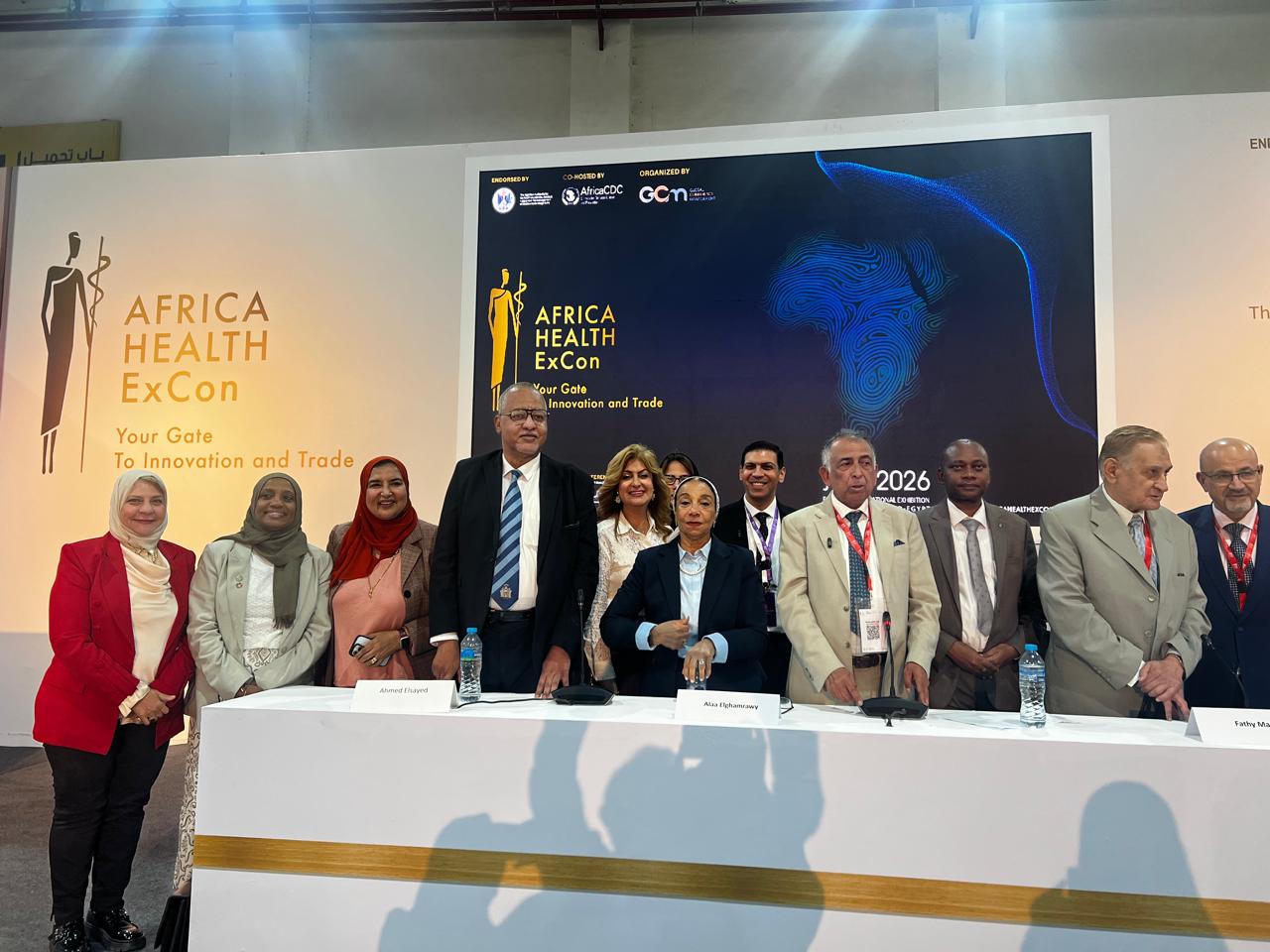
The initiative, launched during the “Health Africa” conference and exhibition, not only aims to treat the disease, but also seeks to build an integrated African system based on prevention, early detection, training, scientific research and transfer of expertise, benefiting from the Egyptian experience that has received international praise and achieved tangible results in reducing infection rates and disease complications.
In light of Egypt’s increasing focus on strengthening partnerships with African countries in health and development matters, the initiative reveals a broader vision based on building local capacities, supporting African health systems, and employing modern technology and artificial intelligence to address one of the most prevalent heart diseases among children and young people.
In this exclusive interview with “Zoom Africa News”, Dr. Alaa El-Ghamrawy, founder of the National Program for Rheumatic Heart Disease, talks about the behind-the-scenes details of launching the initiative, plans to establish specialized centers in Africa, mechanisms for transferring Egyptian expertise to the Nile Basin countries, and his vision for the future of combating rheumatic heart disease in the continent in the coming years.
And now to the text of the dialogue
To begin with, what are the main motives behind launching the “End Rheumatic Heart Disease in Africa” initiative?
Egypt has great interest in the African continent, especially in the field of countries that have been suffering from rheumatic heart disease for many years, in cooperation with the African Heart Association and a number of African countries. Then Dr. Magdi Yacoub brought this cooperation to Egypt in 2017, and there was a very large protocol for cooperation with African countries. We found that the issue is still present, and that African peoples are still suffering from this disease, with the absence of early detection of cases. Therefore, we seek to transfer Egyptian expertise and successful experiences to these countries.
Why was this particular timing chosen to launch the initiative at the African level?
This came on the occasion of the «Health of Africa» conference, under the patronage of His Excellency President Abdel Fattah El-Sisi. Among the goals of the conference and the directions supported by the political leadership is for Egypt to have a major role in cooperating with African countries to address various health issues, develop solutions for them, and implement them on the ground.
What are the main goals that the initiative seeks to achieve in the coming years?
The main objectives are to deal with the disease effectively and to put an end to rheumatic heart disease in the African continent, starting with the Nile Basin countries. We also care about all areas of heart disease, whether rheumatic heart disease, congenital defects, or other heart-related diseases.
You mentioned that the initiative aims to cooperate with 8 countries from the Nile Basin. What is the nature of this cooperation?
The cooperation includes training in Egyptian universities, exchange of experiences, conducting joint research, and sending medical convoys to African countries, especially in the field of heart diseases and surgeries, in addition to joint scientific and medical cooperation.
Two specialized centers were announced to be established in Rwanda and Tanzania. Why were these two countries chosen?
The establishment of two centers in Rwanda and Tanzania has already been announced, and the equipment and human resources have been prepared. Some approvals and procedures remain in cooperation with the relevant authorities and the Ministry of Foreign Affairs. .
What services will these centers provide to patients and local health systems?
The centers will provide healthcare services, primary and secondary prevention, and treatment of cases both surgically and via catheterization, in addition to supporting joint research to eliminate rheumatic heart disease.
How can Egyptian expertise contribute to combating rheumatic heart disease within African countries?
Egypt possesses extensive expertise in this field and received the World Health Organization's Health Promotion Award in 2015 for its leading role in combating rheumatic heart disease. Therefore, we are sharing Egyptian expertise and successful experiences with countries struggling with the lack of early detection of cases.
What is the extent of support that Dr. Magdi Yacoub and Dr. Adel Adawy are providing to the initiative?
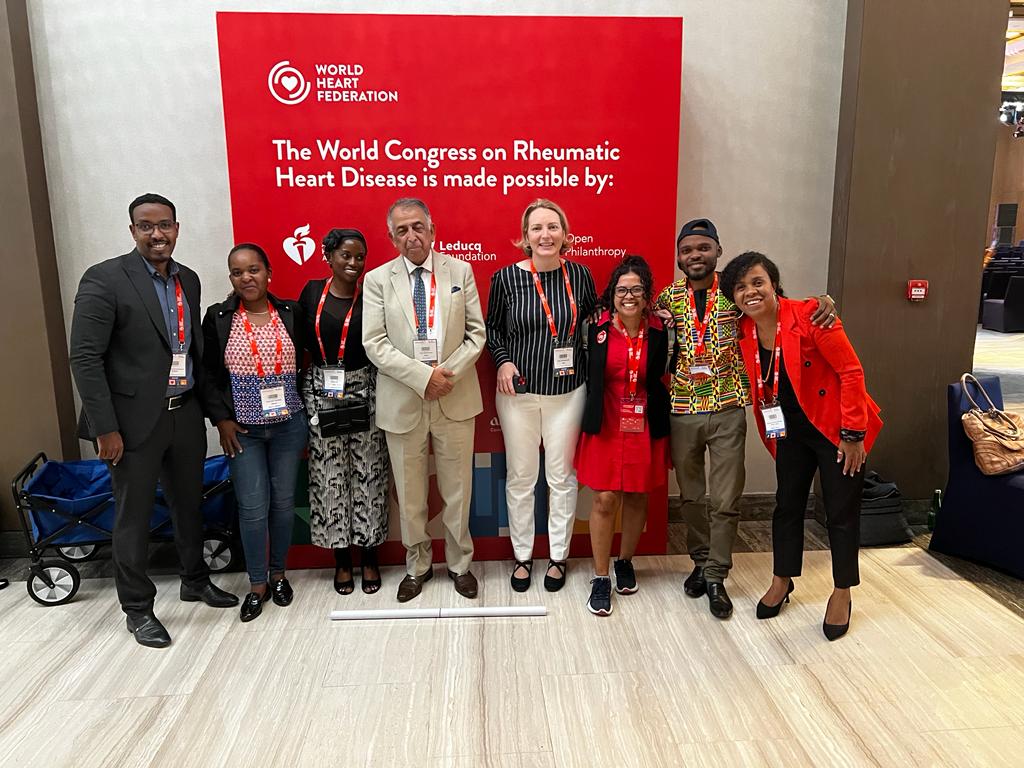
Dr. Magdi Yacoub launched a major initiative from Cairo in 2017 to combat rheumatic heart disease, and his contributions in this field are still ongoing. Dr. Adel Adawy is the sponsor of the initiative and the president of the «Health of Africa» conference, and he supports this direction in line with the Egyptian state’s directions towards Africa.
To what extent does the initiative rely on training African medical personnel and transferring expertise?
Training is a key element of the initiative, and there is already cooperation with a number of Egyptian universities. The last delegation was from Tanzania, and there is also cooperation with Suez Canal University and Mansoura University in various medical specialties.
Are there plans to launch joint research programs between Egypt and African countries in the field of heart disease?
Yes, there are joint research programs, because the disease is present in almost all of Africa, and therefore we put Egyptian expertise and Egyptian scientific research to serve this cause.
What are the main challenges facing efforts to eliminate rheumatic heart disease in the African continent?
The challenges include the lack of early detection of cases, the fact that many patients are discovered at very late stages, and the lack of specialized surgical facilities in some African countries.
How can we raise public awareness about the seriousness of the disease?
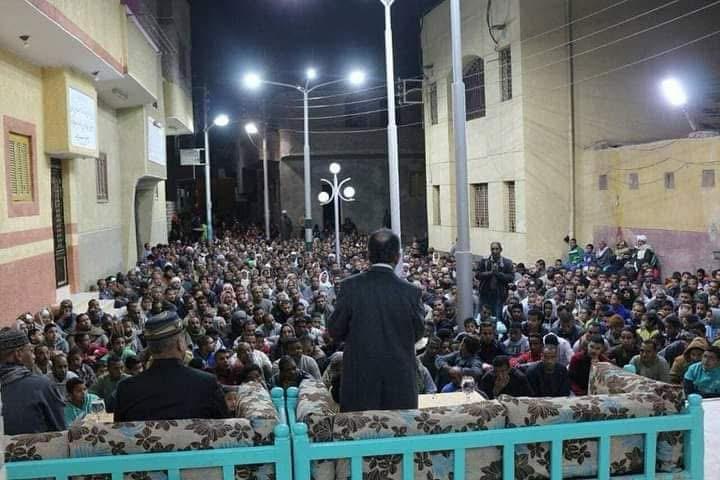
Transferring the Egyptian experience in dealing with society is very important, and there is awareness through social media, television and various media outlets, in addition to direct communication with citizens, because this is very important to promote community awareness.
Q: What lessons were learned from the experience of the Egyptian National Program for Rheumatic Heart Disease?
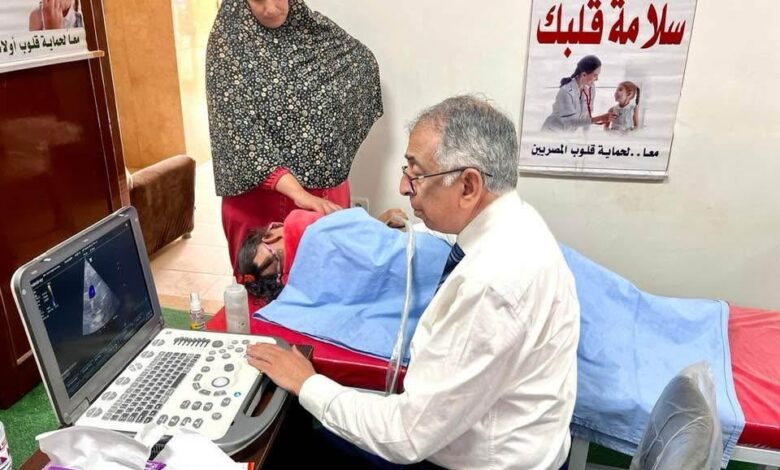
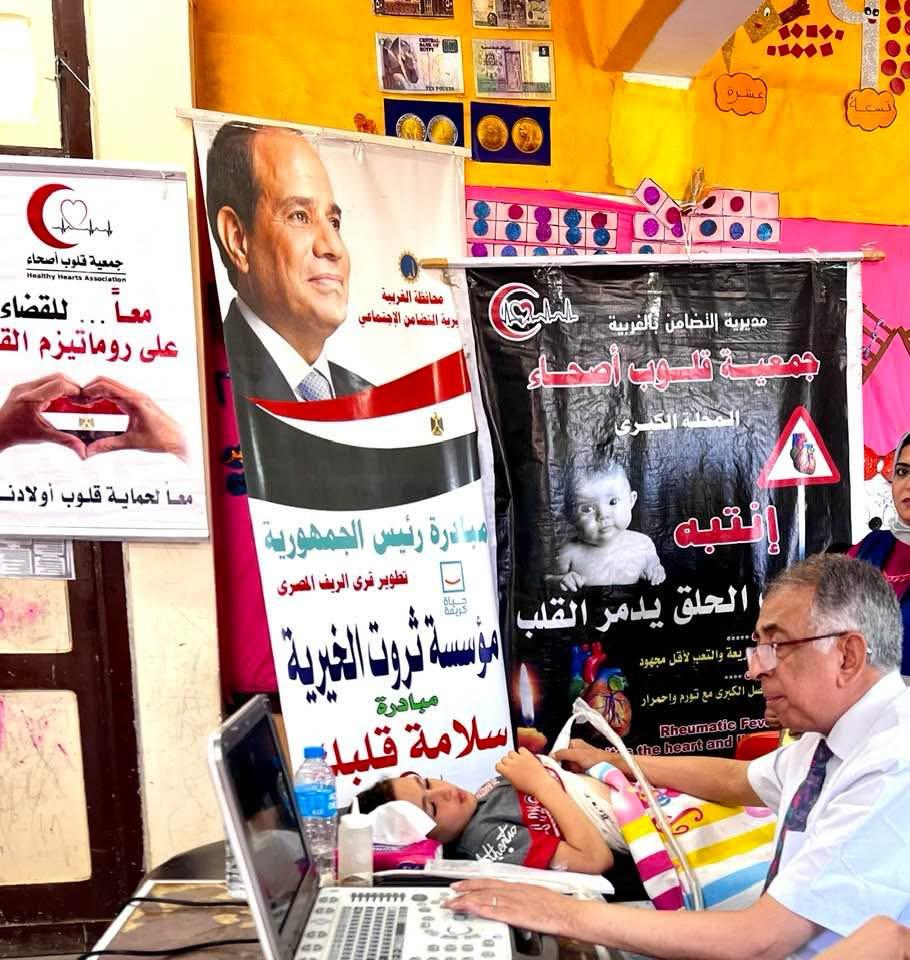
The Egyptian experience is based on the existence of centers for rheumatic heart disease that cover various governorates. These centers receive cases referred from all medical service providers, and provide echocardiography diagnosis, health awareness, primary and secondary prevention, and refer cases that need surgery or catheterization for treatment at the expense of the state.
The Egyptian program has achieved remarkable results over the past years. What are the most prominent indicators of success?
The World Health Organization praised us, and we received the Health Promotion Award. The National Rheumatic Heart Disease Program also succeeded in reducing the percentage of open-heart surgeries resulting from the disease from 68% to 28%.
How do you see the role of Egyptian national companies in supporting health projects on the continent?
The role of national companies is very important. One national company provided an electronic program for the initiative for free, and two private sector companies undertook to equip a center in Tanzania and another in Rwanda.
What is the extent of cooperation with African and international health organizations to ensure the success of the initiative?
There is ongoing cooperation with various health authorities within Africa, and the initiative is an extension of years of cooperation with the African Heart Association and scientific and medical institutions on the continent.
Is there a plan to expand and establish new centers in other African countries during the next phase?
Yes, there is a plan for expansion, and we are working on transferring the Egyptian experience by establishing centers for rheumatic heart disease, so that each center includes an information unit, a detection unit, a laboratory unit, and an echocardiography unit.
How does this initiative contribute to strengthening the Egyptian role within the African continent?
Egypt possesses extensive experience and distinguished human resources in various medical fields, and seeks to transfer this experience to African countries and cooperate with them side by side in order to confront common health challenges.
What message do you have for African governments regarding investment in prevention?
Our motto is that prevention is better than cure, and our new motto is that preserving human health is better than anything else. Therefore, investing in prevention and early detection is the primary way to confront the disease.
How did the Egyptian political leadership support this orientation towards Africa?
Through the «Health of Africa» conference and the continuous directives for Egypt to have an active role in supporting African countries and addressing various health issues in cooperation with brothers on the continent.
What is the importance of Egyptian universities in supporting the initiative?
Egyptian universities are a key partner in training and transferring expertise, and a number of cooperation protocols have already been implemented, especially with Mansoura University and Suez Canal University.
Do African countries also possess expertise that can be utilized?
Certainly, African countries also have distinguished experts and scientists, and therefore we are talking about an exchange of expertise and not just a one-sided transfer of expertise.
What role do technology and telemedicine play in the initiative?
During this year’s conference, we announced a proposal to link African countries suffering from rheumatic heart disease with a unified electronic program, which would support joint research, training, and remote diagnosis.
How can artificial intelligence serve disease control efforts?
We seek to utilize artificial intelligence in diagnosing cases through echocardiography devices, which helps in early detection, improves diagnostic accuracy, and provides better medical service.
Finally, what is your vision for the future of combating rheumatic heart disease in Africa over the next ten years?
Our ultimate goal is to put an end to rheumatic heart disease. Thank God, there are great medical personnel and expertise in Egypt, as well as distinguished experts and scientists in African countries. If cooperation and transfer of successful experiences are achieved, I believe we will achieve great results in the coming years.