Rayana Fakhri: A lone woman leading the equestrian world in Senegal
Rayana Fakhry is building a new equestrian legacy.
Written by: Mohammed Omran
In the equestrian world of Senegal, which remains largely male-dominated, Rayana Fakhri stands out as an exception, being the only woman to own and manage a stable in the country. Through the "Ikouri Hashim" stable, founded by her mother, Fakhri seeks to develop equestrian sport By training young riders, rehabilitating horses, and establishing a culture that makes animal welfare an essential part of the sport, we contribute to preparing a new generation of riders and expanding the presence of women in this field.
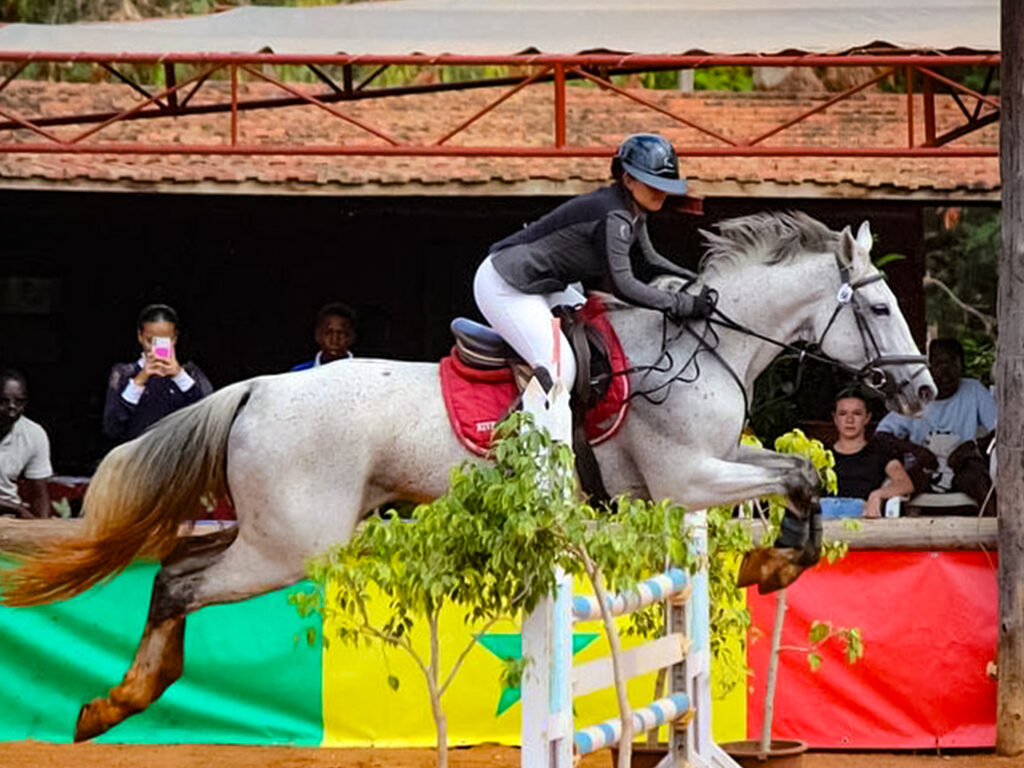
The only woman leading the equestrian world in Senegal
In the afternoon, Hashim's stables in Ndoukhoura Fall, about 40 kilometers from the capital Dakar, come alive. Horses move about in their stalls as riders prepare for training sessions. The sounds of footsteps mingle with the neighing of horses and the chatter of staff, creating a dynamic atmosphere. At the heart of this daily activity, Rayana Fakhri moves among the riders, horses, and staff, attending to every detail and ensuring everything runs smoothly.
How is Rayana Fakhry building a new equestrian legacy in Senegal?
The stable was established in 2022 and began full operation in mid-2023, before Fakhri took over its management from her mother who launched the project. Since then, the stable has achieved remarkable growth, regularly participating in the Senegalese Equestrian Federation championships. Children have also increased their interest in learning to ride horses, and horse owners have grown more confident in the stable to house and care for their animals.
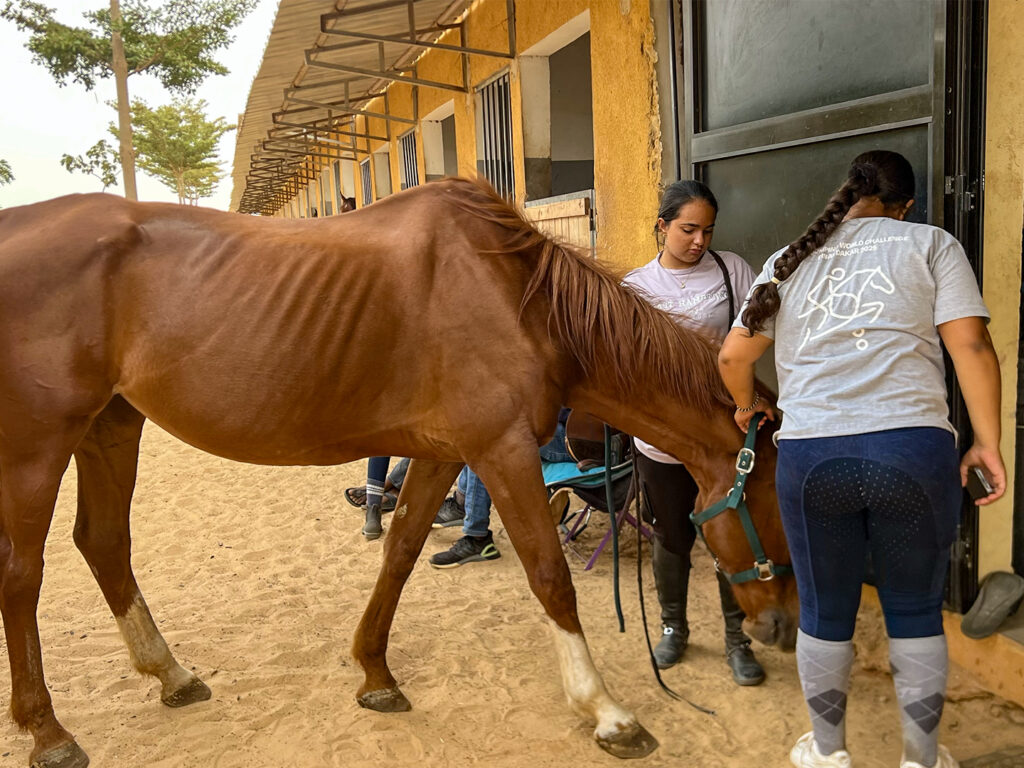
Fakhri explains that the stable usually houses between 30 and 34 horses, ranging from training horses to care horses and temporary horses that are deposited and then returned to their owners, but she emphasizes that her goal is not limited to building a successful project, but extends to developing the equestrian system in Senegal by creating opportunities for young riders and promoting professionalism in this sector.
The philosophy of «Ecore Hashem» is based on a fundamental principle that the relationship between the horse and the rider is no less important than athletic skill. Therefore, children in the stable learn to care for horses before riding them, within an approach that focuses on building trust and mutual respect between the two parties.
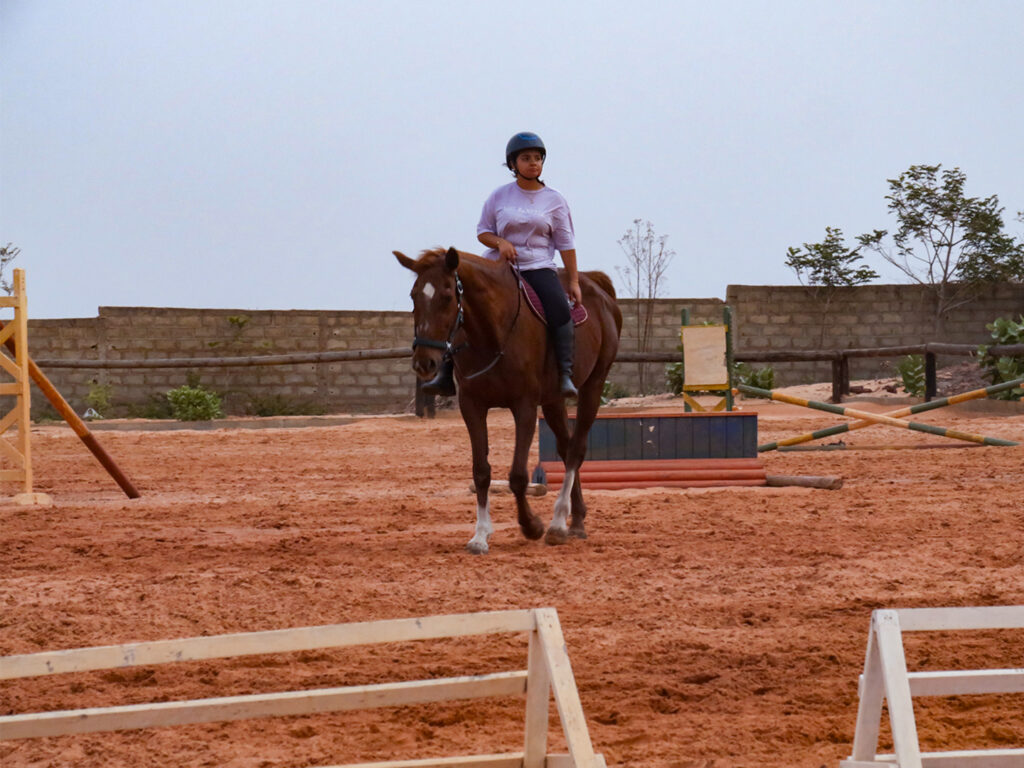
This vision reflects the remarkable experience of the young equestrian Yasmine Fakhry, who affirms that caring for the horse is an essential part of every training session, from preparing the horse to caring for it after the exercise is finished, considering this relationship to be the basis of success in equestrian sports.
The stable also pays special attention to horses that suffer from difficulties, injuries, or behavioral problems, giving them a new opportunity for rehabilitation instead of excluding them. One of the most prominent of these cases is the horse «Delirio DOC QZ», who turned from a difficult-to-handle horse into one of the success stories within the stable thanks to patience and continuous training.
Fakhri affirms that the presence of women in the field of equestrianism adds an important dimension related to concern for animal welfare and building a more organized and supportive environment, despite the great challenges that women face in this field, which is still mostly led by men.
In her vision for developing the sector, Fakhri believes that equestrian sport in Senegal has great potential to expand beyond show jumping and horse racing to include other disciplines such as dressage and cross country racing, but at the same time she emphasizes the importance of investing in training and capacity building.
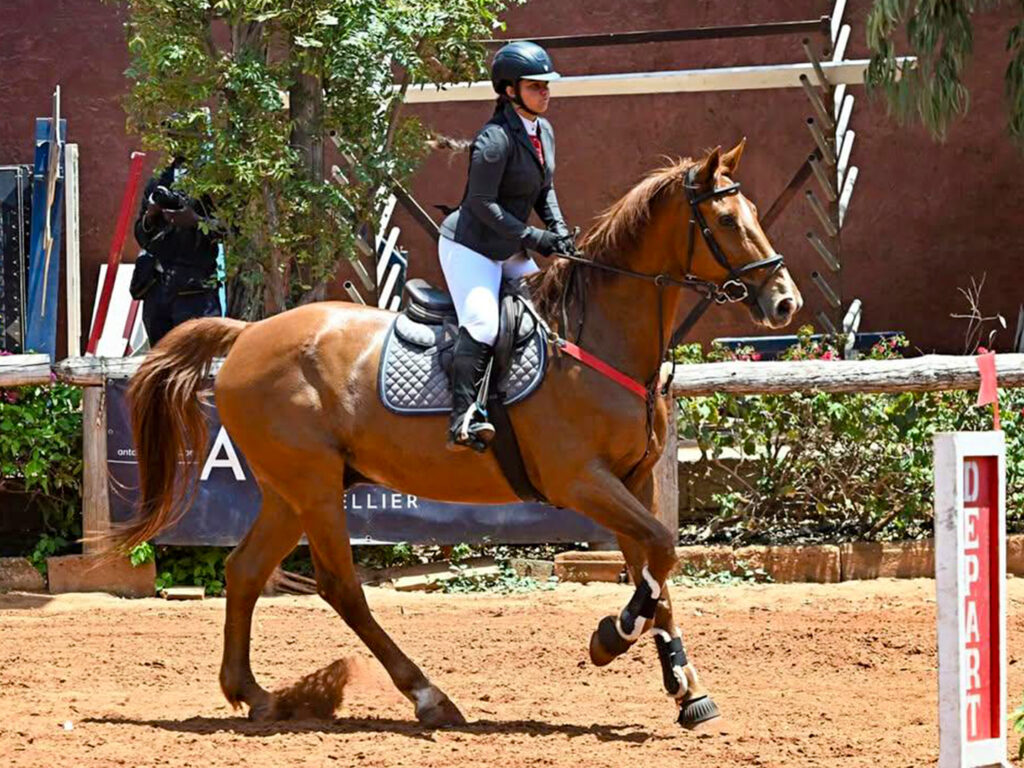
It also indicates that the challenges are not limited to training, but also include the high cost of equipment and feed and the lack of sufficient local production, which makes the sector in need of greater support to develop its infrastructure.
Fakhri concludes her day at the stables as the riders and horses return to their quarters and activity gradually subsides, while the facility's management prepares for another day of work. As the training ends, the goal remains the same: to build a different future for equestrian sport in Senegal, one based on the partnership between man and horse, and one that offers opportunities for future generations to be part of this growing legacy.