Dimsa Museum: The Legend of Horses and the Heritage of Kings in the Heart of Africa
African heritage facing oblivion
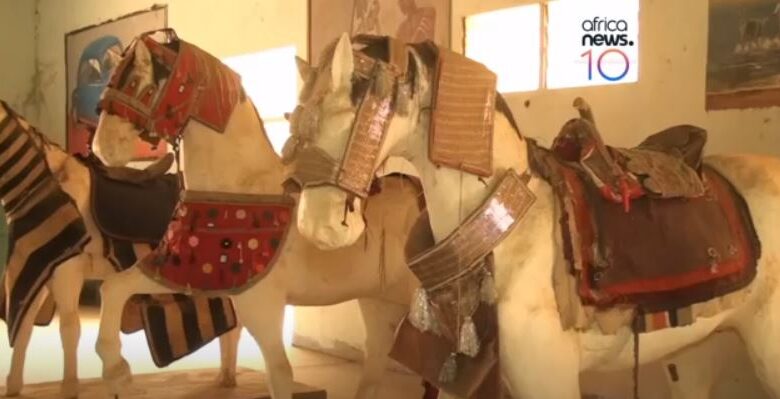

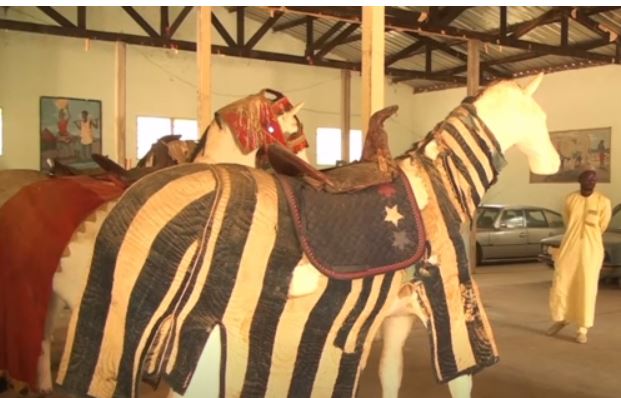
The Dimsa Horse Museum is one of the most popular tourist attractions in northern Cameroon. Located in the heart of the Lamidat district in Gashiga Dimsa, the museum welcomes visitors from northern Cameroon and around the world.
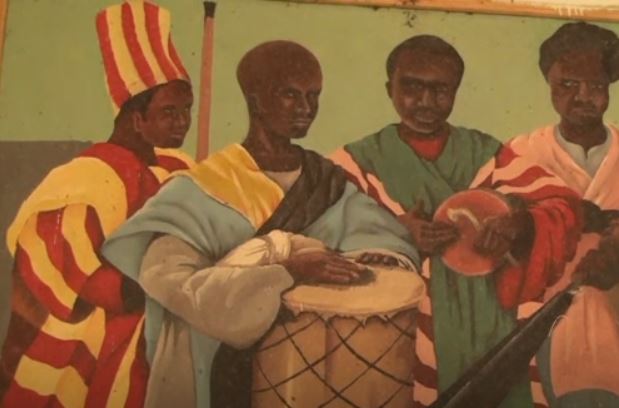
In Dimsa Gashiga, this museum preserves the past but also builds a new appreciation for the horse, as the town hosts a horse competition every month to remind people that horses are still at the heart of this region bordering Nigeria.
The museum houses over 1,200 heritage items, including traditional equestrian equipment, royal court artifacts, and historical pieces related to the traditional systems of governance in northern Cameroon. The exhibits highlight the symbolic importance of horses as representations of prestige, power, and social identity in local communities.
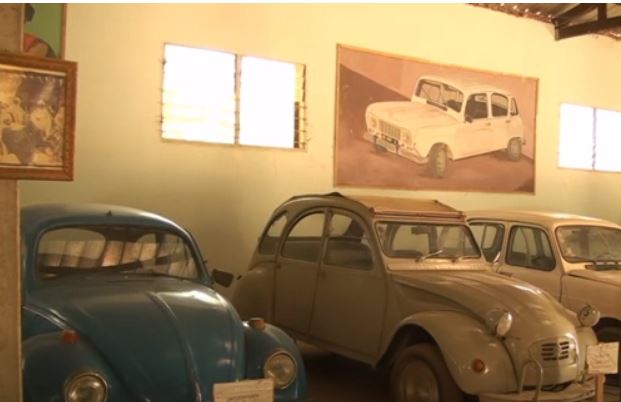
The museum also includes a section dedicated to classic vintage cars, in an attempt to document the historical shift from horse-based transportation to the era of modern vehicles, reflecting the evolution of lifestyles and mobility in the region.
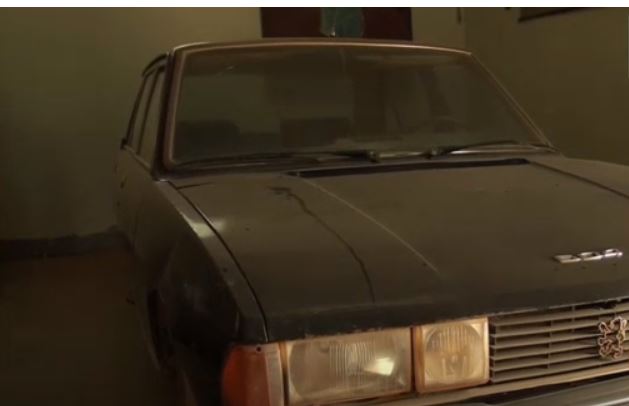
The connection lies in the power that the car represented, which was once measured in horsepower; it lies in the evolution of transportation, where horses were used in the past, and now cars are used. Then there is the true value of these cars, which we are rediscovering as rare collector's items, cars that no longer exist anywhere else.
“Since we saw the ”Horse Museum” sign, we expected to see lots of horses,” said Aminatou Noria, one of a group of students from the provincial capital Garoua, about 40 kilometers from this border town. “But what we found inside was more than just horses. We discovered a whole history of horses and carriages that reflects this transformation.”
The museum's director, Ahmedou Ahidjo, confirmed in press statements that the aim of these collections is not limited to preserving the equestrian heritage, but extends to documenting the social and cultural transformations that the region has witnessed over the decades.
The museum plays an increasing role in supporting cultural tourism and preserving local heritage, especially in areas near the Nigerian border, where it regularly organizes traditional equestrian shows and “gymkhana” races that maintain the presence of horses in the cultural memory of the region’s inhabitants.
The Dimsa Museum is seen as a model for African cultural institutions that contribute to the protection of heritage, the promotion of local identity, and the transmission of historical legacy to new generations, in addition to supporting cultural tourism on the continent.