Hantavirus: Environmental degradation exacerbates its spread in Africa
Cause of Hantavirus emergence
Written by: Mohammed Omran
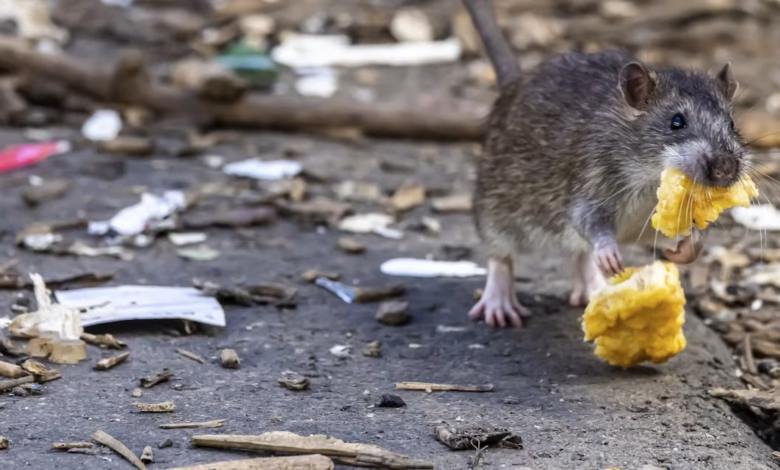
Amid growing scientific concerns about the spread of zoonotic diseases in Africa, the role of rodents, especially mice and rats, is emerging as a major factor causing concern among researchers.
Recent studies suggest that climate change, coupled with weak health monitoring systems in several African countries, may be contributing to an increase in the population of these rodents, raising the likelihood of transmission of dangerous viruses such as Hantavirus To humans, and poses new challenges to public health systems on the continent.
Hantavirus in Africa: Why are climate change, rats, and poor monitoring worrying scientists?
A number of scientists working in the field of emerging infectious diseases have revealed that there are many types of hantaviruses, but only one type is known to be able to be transmitted from person to person, namely the Andean hantavirus in South America, which was recently linked to the death of a number of passengers on the cruise ship.

Transmission between humans can be reduced through close monitoring of contacts and isolation of infected individuals, which reduces the risk of the virus spreading, especially since infection usually requires direct contact.
Scientists point out that many rural areas may suffer from weak diagnostic services due to a lack of resources, which may lead to the overlooking of sporadic cases and allow the virus to spread without being detected in a timely manner. This delay also negatively affects the speed of implementing effective control measures.
How do rats become dangerous disease carriers in Africa?
Monitoring systems also suffer from limitations in accuracy and comprehensiveness, which may lead to failure to detect infections in both wildlife and humans. Meanwhile, climate change and rapid changes in land use may contribute to an increased risk of hantavirus transmission from animals to humans, due to the rising numbers of rodents and their increasing proximity to residential areas, which raises the likelihood of more outbreaks of zoonotic diseases in the future.
For example, modeling studies in the Americas have revealed large areas where zoonotic diseases (where an animal community carries a particular disease permanently) are prevalent, due to the tendency of many rodent species to live in diverse environments where large numbers of humans are also present.
Scientists stressed that African governments must monitor wildlife in order to detect when and where animal viruses, such as this one, are likely to jump to humans, as this will help prevent a widespread outbreak of hantavirus, which could be fatal.
Scientists have discovered several hantaviruses, including the Guinea hantavirus Sangasso, in small mammal species, such as rodents.
More recently, hantaviruses have also been found in flies and bats, not just in rats and mice as previously thought.

One of the current problems facing Africa is the lack of research conducted on the ecology of hantaviruses and the animals that are their hosts.
Also, very few genetic sequences are available, which hinders scientists' ability to analyze the interactions between viruses and their hosts, and the potential risks they pose to humans.
Reports and research indicate that, in addition to limited disease monitoring, Africa suffers from a gap in Hantavirus surveillance.
This gap must be closed because Hantavirus infection and disease may be more widespread than many health systems assume.

The Hantavirus spread extensively in the United States between 1993 and 1995 due to the El Niño phenomenon, which brought heavy rains and a warm winter, resulting in an abundance of seeds that rodents feed on.
This improvement in nutrition has led to a huge increase in their numbers, and outbreaks of the disease elsewhere have been linked to similar climatic phenomena.
An increase in rodent populations means they will increasingly seek food and shelter near humans. Increased competition for resources leads to aggressive behavior among animals, and bites transmit the virus. Given the expectation that the El Niño phenomenon will become more frequent and intense in the future, Hantaviruses are likely to increasingly affect African countries.
In Africa, land-use change is likely to play an increasingly important role in the environment and emergence of the Hantavirus, as was the case with Lassa fever (another virus spread by rodents) in Nigeria and Guinea. Deforestation, agricultural expansion, mining activities, road construction, and urban growth are altering natural factors in many parts of the continent.
These environmental changes can force populations of rodents, flies, and bats to move into farms, villages, peri-urban areas, and water sources used by people. When humans expand into previously undisturbed habitats in search of land, food, or economic opportunities, this also creates a new opportunity (known as an ecological interface) where hantaviruses and other zoonotic pathogens can spread more easily between wildlife reservoirs and humans.
What should be done next?
When humans and wild animals come into close contact, viruses such as Andes viruses can jump from animals and start spreading between humans. Hantaviruses can cause serious illness in humans, and their spread is likely much wider than is currently known.
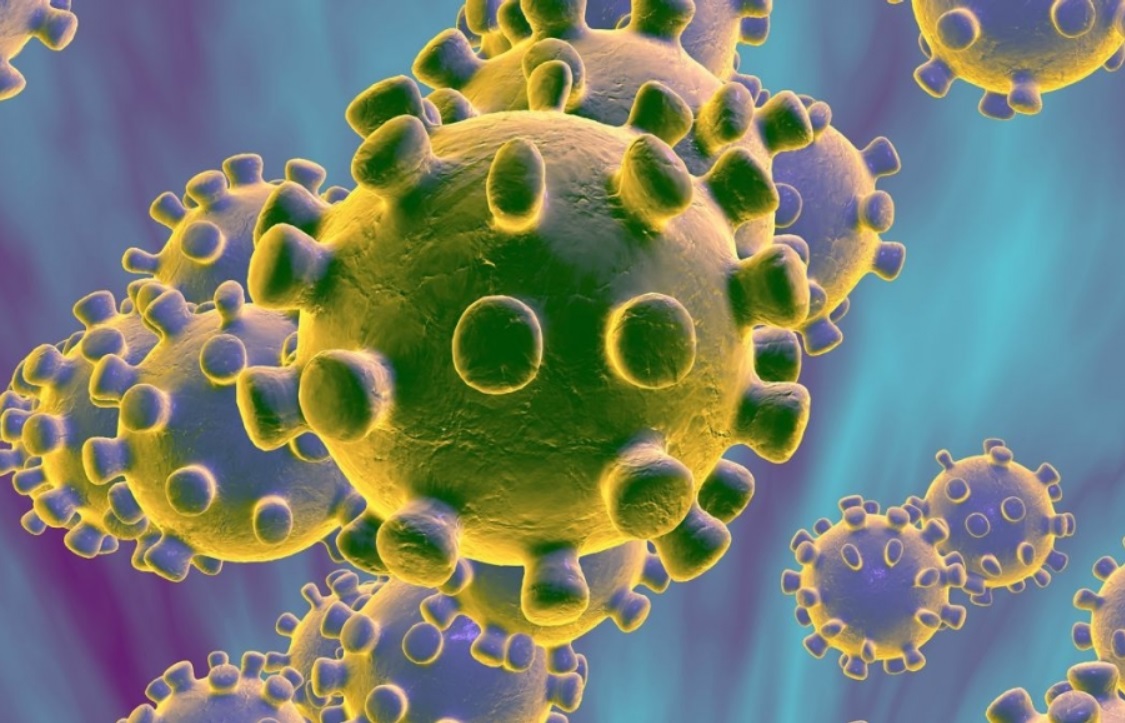
Scientists stressed the need for virological and environmental studies of hantavirus reservoirs in wildlife, and monitoring of potential infection and disease in humans in affected areas. This requires specialized diagnostic tools, as well as samples from rodents in areas where humans have disturbed their habitats, which have since experienced cases of illness accompanied by a sharp rise in temperature.
They stressed that enhanced surveillance to identify high-risk contact points, emerging transmission areas, and transmission drivers is essential to predicting potential African hantavirus pathogens before larger outbreaks occur.