Did Trump cause the Ebola outbreak in Congo and Uganda?
The reason for the spread of Ebola in Congo and Uganda
Written by: Badr Ahmed
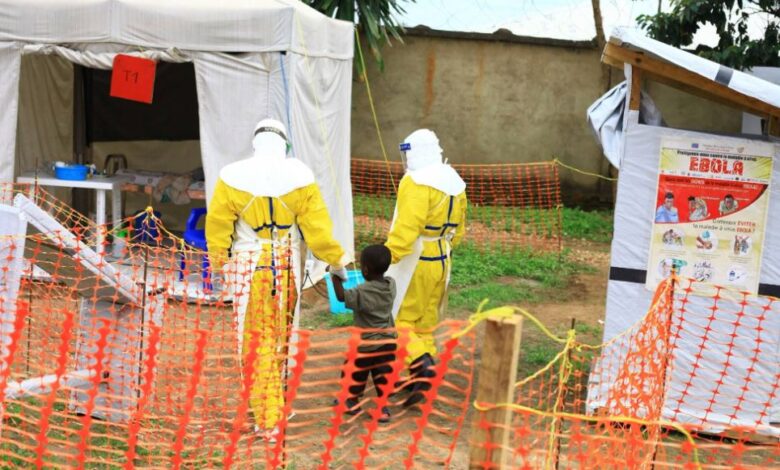
The Democratic Republic of Congo and Uganda are facing one of the most serious Ebola outbreaks in recent years, amid growing warnings that cuts in U.S. funding for global health may have been a contributing factor to the delayed detection and containment of the epidemic.
According to the World Health Organization, the current outbreak is caused by the rare Bundibugyo strain of the Ebola virus, for which there is currently no approved vaccine or treatment.
As of May 20, 2026, the epidemic had killed 139 people in eastern Democratic Republic of Congo and Uganda, making it the deadliest of the outbreaks linked to this strain.
Ebola spreads in Congo and Uganda amid controversy over US aid cuts
The Director-General of the World Health Organization, Tedros Adhanom Ghebreyesus, expressed his deep concern about the speed and extent of the spread of the disease, stressing that the virus had been able to spread for weeks before it was detected, which prompted the organization to declare an international health emergency.
Public health experts believe that the decline in US support for the global health sector has weakened early monitoring and response capabilities.
Epidemiologist Eric Feigl-Ding said that speed is the crucial factor in containing Ebola, noting that the U.S. Agency for International Development has been playing a pivotal role in supporting health workers, providing medicines, and strengthening field surveillance systems.
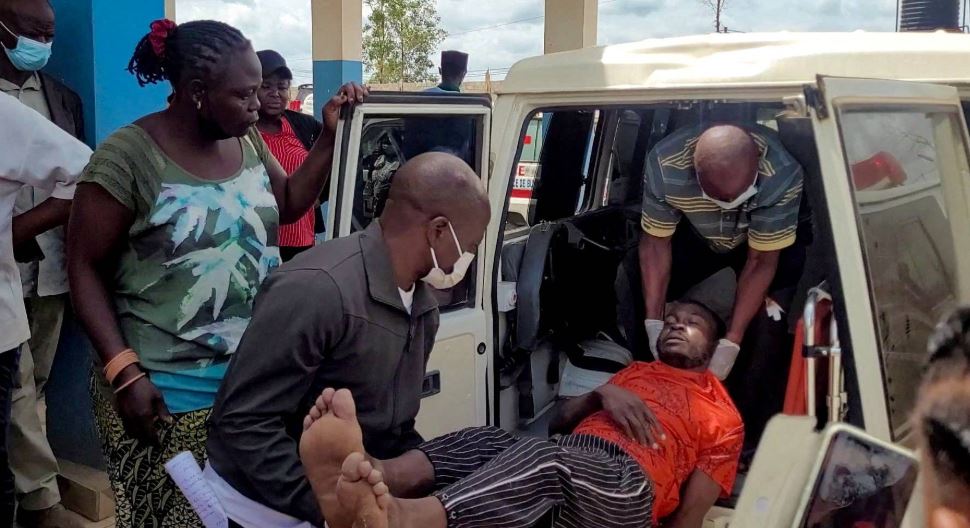
The administration of US President Donald Trump had taken a series of measures to reduce foreign spending, including freezing international aid, drastically cutting the budget of the US Agency for International Development, withdrawing the United States from the World Health Organization, and cutting jobs within the Centers for Disease Control and Prevention.
In contrast, humanitarian organizations working in Congo assert that the reasons for the delay in discovering the epidemic are not only related to the decline in international funding, but also to the nature of the rare strain and the difficulty of detecting it in the early stages, as well as the complex security conditions in eastern Congo, where armed conflicts and ongoing displacement movements hinder health response efforts.
Despite the challenges, the World Health Organization and its partners continue to implement emergency operations to contain the epidemic, while the organization has allocated about $3.9 million to support local health systems, amid international calls for additional funding to prevent the current crisis from turning into a wider health disaster in the region.