Written by: Shaaban Bilal
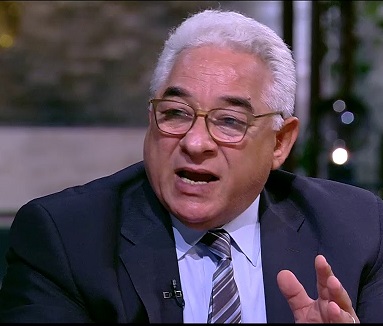
Ambassador Ali El-Hefny, former Assistant Foreign Minister for African Affairs, affirmed that the message conveyed by the Egyptian state in “Africa Day”It is a message that is far-reaching and deeply rooted, stressing that celebrating the African continent is not just a protocol occasion that comes around from year to year, but rather an expression of a strategic and existential depth that places Africa at the forefront of the Egyptian mind and conscience on a daily basis.
Africa: A Daily Agenda
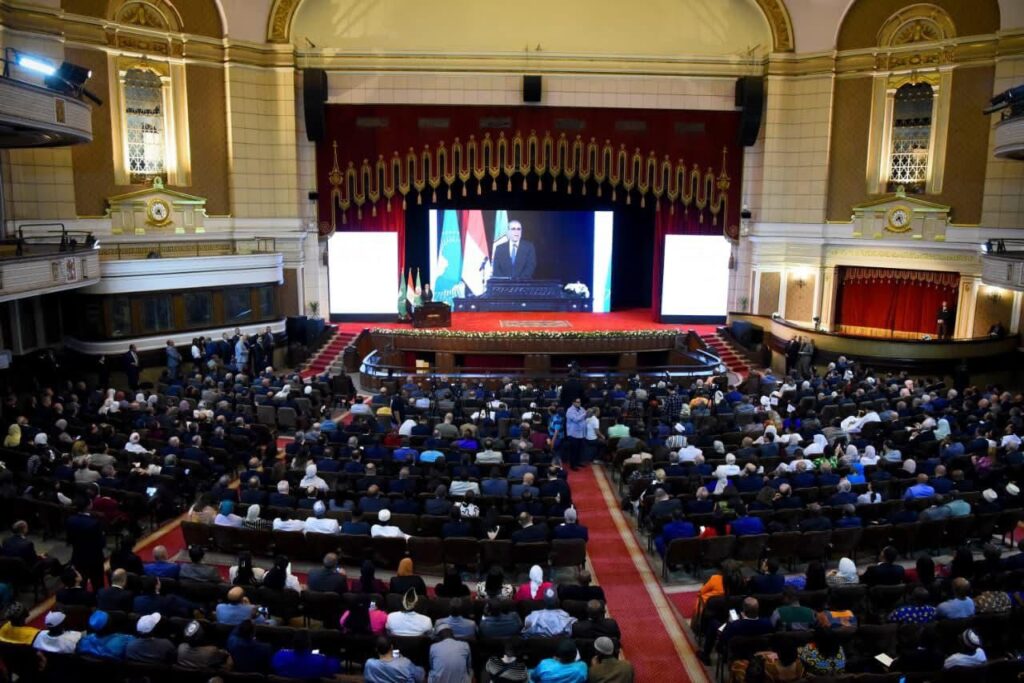
In exclusive statements to “Zoom Africa News” on the sidelines of Egypt’s celebration of Africa Day at Cairo University, Al-Hafni explained that Egyptian-African relations are characterized by continuity and uninterruptedness, noting that the Egyptian move towards the continent is no longer limited to the official diplomatic side only, but has extended to include the cooperation of all state institutions, the private sector, academic institutions, and civil society organizations.

Empowering youth and shaping the future
Ambassador Al-Hafni highlighted the surge in communication with rising African generations over the past ten years, saying: “Egypt has succeeded in creating effective communication platforms and networks that connect Egyptian youth with their brothers on the continent, which was clearly demonstrated by Egypt hosting thousands of African youth over the past decade.”.
Egypt: A hub for continental events
The former Assistant Foreign Minister added that Egypt’s hosting of many major African events and forums has directly contributed to launching channels for the exchange of information and experiences at the continental level, which has strengthened the ability of African countries to coordinate and cooperate.
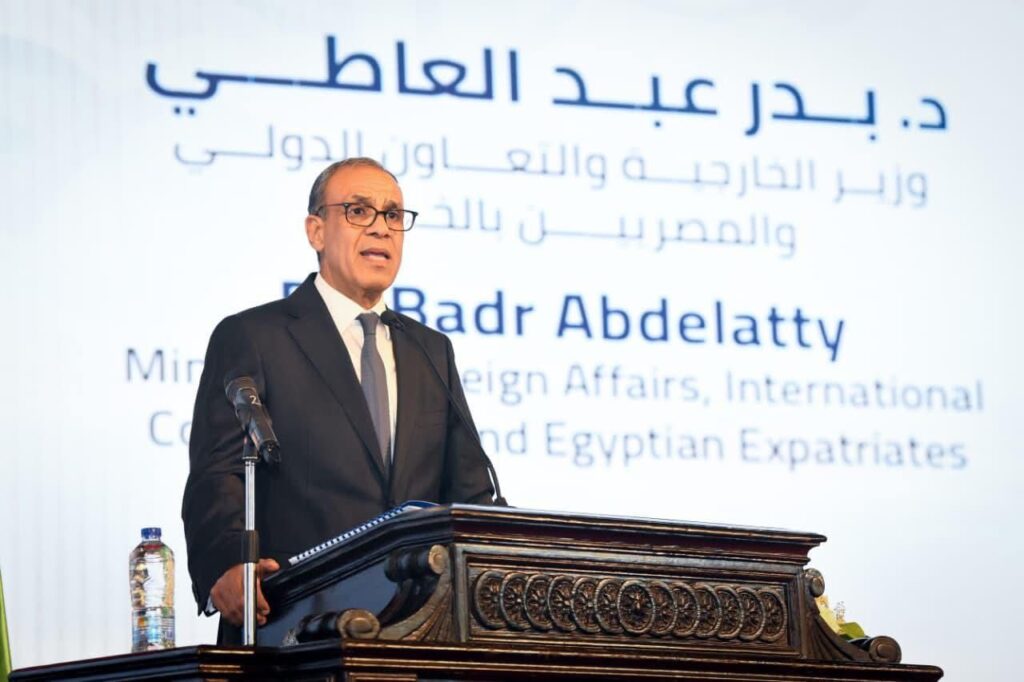
Al-Hafni concluded his remarks by pointing out that these strong ties, based on a database and digital and intellectual platforms, make Egypt always a key partner in shaping the present and future of the African continent, stemming from a firm belief in the unity of destiny and the common future.