Written by: Ayman Ragab
Within 90 days, a ban on the manufacture, import, sale and distribution of single-use plastic bags could become a reality in Guinea, following an announcement published on May 26, while those working in the environmental alternatives sector are watching developments with increasing interest.
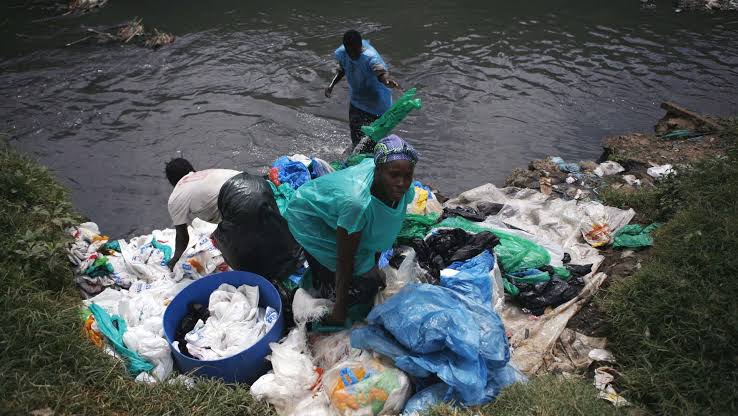
Plastic bags are among the most prominent sources of pollution in the country, as their waste is dumped in sewers and spreads along roadsides, becoming a familiar part of the urban landscape in Conakry and other areas, despite continuous warnings about their negative environmental effects.
In contrast, some entrepreneurs have already begun to move towards biodegradable alternatives, anticipating the implementation of the decision.
Inside one of the workshops, paper bags have begun to gradually replace plastic, as machines operate at an increasing pace to meet a demand that is still limited, but is expected to rise in the coming period.
ban on plastic bags
The workshop produces bags customized for companies, pharmacies, and events, as well as for individuals and service providers.
«It offers an alternative to plastic bags: biodegradable and more environmentally friendly paper bags,» says Mamadou Boye Diallo, production manager. “We produce for businesses, shops, events, and pharmacies, as well as individuals and service providers.”.
The government's decision was widely welcomed by citizens who hope for the gradual disappearance of plastic waste from public places.
Hajj Omar Diallo affirms that this measure could have a positive impact on wildlife, saying: «This is good news that will help us participate in combating environmental pollution. I grew up in the village, and I can assure you that when animals swallow plastic, they end up suffocating.».
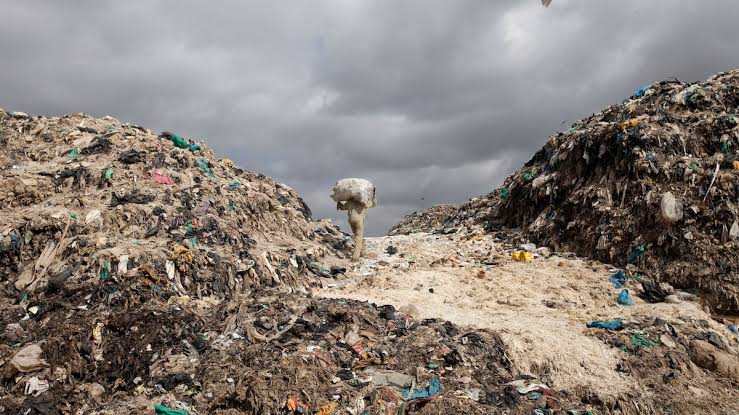
If the decision comes into effect in the coming months, the market for biodegradable alternatives is expected to grow rapidly, amid hopes that this shift will represent a turning point in the management of plastic waste in Guinea.