Zimbabwe leads the African gold race: A production boom is redrawing the continent's mining map.
Strong recovery in the gold sector
Written by Omnia Hassan
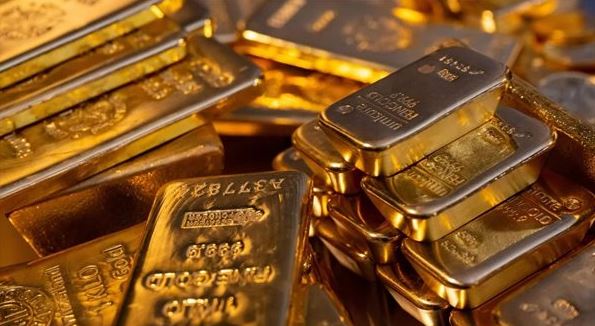
Zimbabwe is experiencing a strong recovery in its gold sector during 2026, a remarkable shift that reinforces its position as one of the leading production centers. metal Precious metals in Africa, driven by increased production and rising global demand for gold as a safe haven amid economic and geopolitical turmoil.
A significant increase in gold production
Official data published by The Herald newspaper showed that Zimbabwe delivered more than 12,600 kilograms of gold during the first four months of this year, reflecting the strong performance of the mining sector, especially by major mining companies that continued to expand their production capacity.
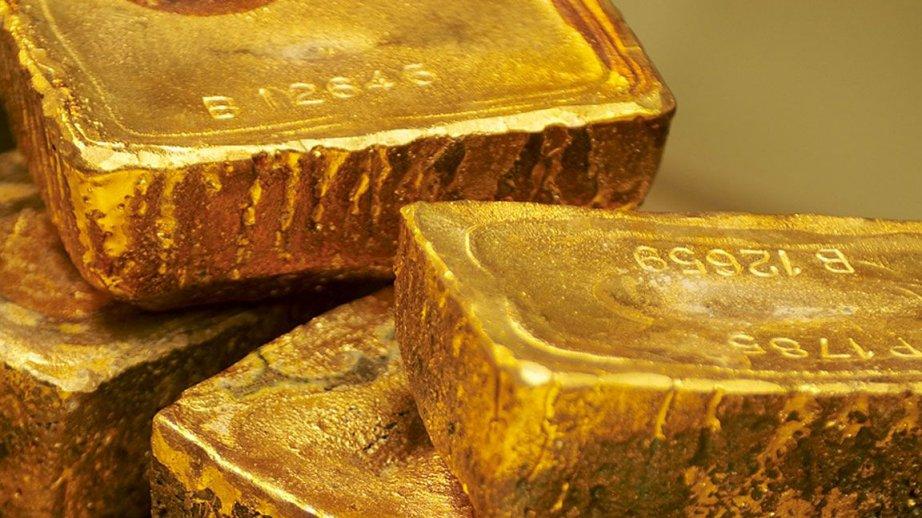
April alone saw remarkable growth, with shipments from large-scale mining companies increasing by more than 28% year-on-year, reaching more than 1213 kilograms, a clear indication of accelerating production and the sector regaining its momentum.
Gold supports economic stability
Gold has become the cornerstone of the Zimbabwean economy, with the government increasingly relying on proceeds from the precious metal to bolster foreign exchange reserves and strengthen the stability of the gold-backed local currency, the “ZiG”, which authorities launched to counter years of hyperinflation and exchange rate volatility.
This strong performance comes after a record year for the country in 2025, when gold export revenues reached about $4.61 billion, while total production exceeded 46 tons, surpassing the government target of 40 tons.
Global demand boosts Zimbabwe's gains
Gold continues to attract the attention of investors and central banks around the world, as concerns about a global economic slowdown and political tensions escalate, helping to keep prices at high levels.
Analysts believe that the continued purchase of gold by central banks and the increased demand from investors for safe assets may give Zimbabwe's mining sector an additional boost in the coming period, especially with the expansion of investments in local mines.
A strategic bet for the country's future
Gold is no longer just an export resource for Zimbabwe; it has become a strategic pillar for reviving the economy and achieving financial stability. With continued production growth and rising global demand, the country appears poised to establish itself as one of the most important mining powers in Africa in the coming years.