Sisal cultivation in Mali: A decline that worries residents amid nostalgia for its heyday.
Sisal cultivation
Written by: Ayman Ragab
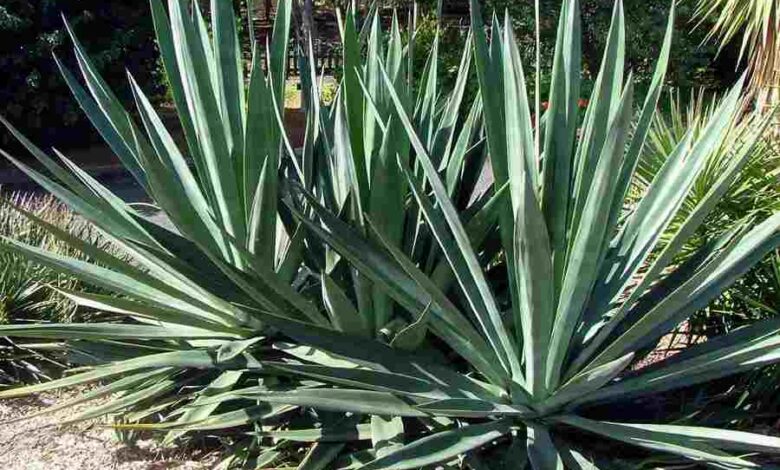
Sisal, a strong plant fiber, was an integral part of daily life and the landscape in Mali province.
This plant, which resembles a cactus, was used for fencing fields and crafting various household items, and was a valuable resource for rural communities.
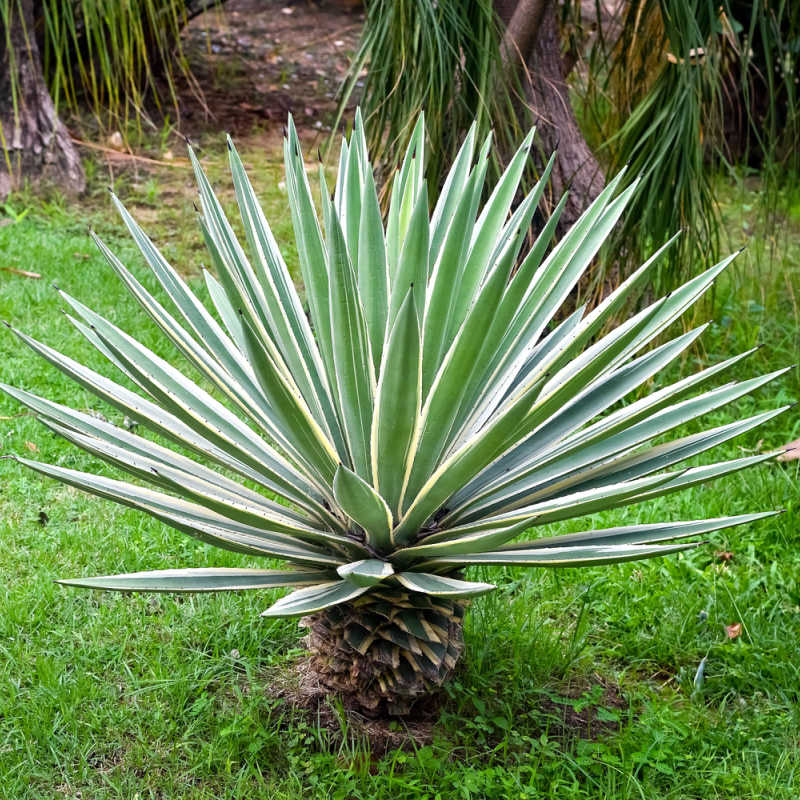
But with the advent of wire fences, industrial materials, and manufactured products, this plant gradually lost its importance.
In Mali, its long, thick leaves and upright stems still form landmarks in nature, and the sisal plant is still visible in many neighborhoods, along some granted land, and in former agricultural lands.
However, this plant, once a part of the daily lives of the population, now seems to have been marginalized into merely an ornamental element.
Before the widespread use of metal fences, they provided a natural solution for protecting fields from animal incursions.
When sisal plants were planted in dense rows around farms, they formed a real natural barrier, but their benefits were not limited to that. The fibers extracted from their leaves were used to make durable ropes, bags for various household uses, as well as paintbrushes and other everyday tools. In a time when synthetic materials were scarce or expensive, sisal represented a valuable local resource.
For Moussa Souare, a resident of Mali, this plant has always provided great services to the population.
To the best of my knowledge, the sisal plant was introduced during the colonial era. When planted around fields, it served as a natural fence to prevent animals from entering. After processing, its fibers can be used as ropes to tie various things, as well as for making paint brushes and many everyday tools. It is a natural and environmentally friendly material.”
A few meters away, Ibrahima Souare watches this plant that has endured through generations.
His gaze betrays a certain nostalgia. He is one of those who knew the time of genuine sisal cultivation.