Borders between the Democratic Republic of Congo and Rwanda reopen amid ongoing Ebola outbreak
Resumption of transit traffic after weeks of closure
Written by: Mohamed Ragab
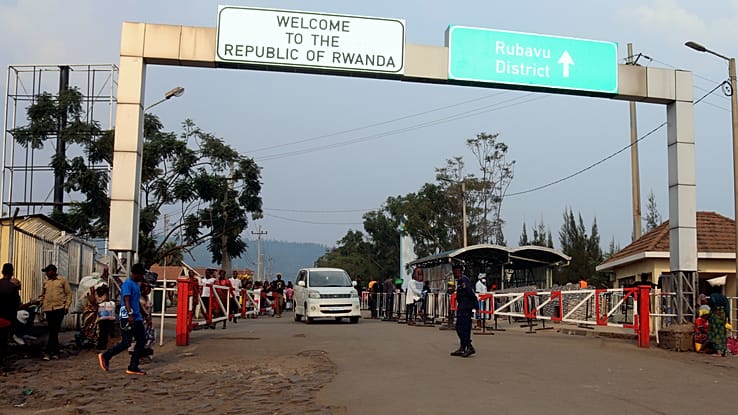
Border crossings between the Democratic Republic of Congo and Rwanda have reopened after weeks of closure due to the Ebola outbreak in eastern Congo. This move aims to resume the movement of travelers and trade while maintaining strict health measures to prevent the spread of infection.
Rwanda had closed a number of border crossings last May following the registration of Ebola cases near the Congolese city of Goma, as part of precautionary measures to protect public health and limit cross-border transmission of the disease.
Strict health measures on both sides of the border
Despite the resumption of transit, authorities in both countries have confirmed the continued implementation of preventive measures, including health screening for travelers, temperature checks, enhanced epidemiological surveillance at border crossings, and monitoring for any suspected cases of the virus.
These measures aim to strike a balance between maintaining the flow of trade and daily movement, and preventing the spread of the disease to neighboring countries, especially as new cases continue to be recorded in eastern Congo.
Economic and humanitarian importance of border crossings
The borders between the Democratic Republic of Congo and Rwanda represent a vital economic artery, with thousands of traders, workers, and students crossing them daily. Border communities also rely on these crossings for essential goods and services.
The closure of crossings in recent weeks has disrupted commercial activities and increased the cost of transporting goods, which has affected the living conditions of residents in border areas.
The Ebola outbreak is still ongoing.
The decision to reopen borders comes at a time when health authorities in the Democratic Republic of Congo continue their efforts to contain the Ebola outbreak, which has resulted in over 1,500 confirmed cases and hundreds of deaths, while response teams, supported by the World Health Organization and international partners, are working to expand testing, treatment, and contact tracing.
As the first clinical trial for the current strain of the virus recently began, in a step that experts hope will contribute to improving treatment success and reducing mortality rates.
Regional approach to health risks
Observers emphasize that the reopening of borders reflects the importance of coordination between countries in the region to confront health crises without harming trade and movement. They stress that continued adherence to preventive measures and health surveillance will remain a key element in mitigating the risks of cross-border transmission of infection.