
African Drums: When Rhythms Carried Messages Between Villages
Before communications
Written by Omnia Hassan
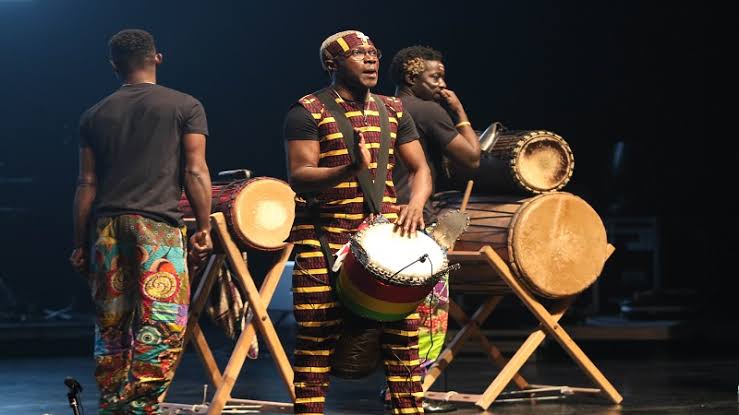
Centuries before the advent of smartphones and modern communication methods, societies relied African A unique means of exchanging news and information was represented by traditional drums. These musical instruments were not just tools for celebration or dancing, but played a vital role in transmitting messages between villages. Historians even called them the “language of drums.” Thanks to the differences in rhythms and tones, local communities were able to communicate over long distances within forests and plains, in one of the oldest forms of communication in history.
A musical language that carries meaning
Many tribes in West and Central Africa used drums to send specific messages. Each rhythm had a known meaning within the community. Some beats could announce the arrival of a visitor, a meeting, impending danger, or the celebration of a social occasion.
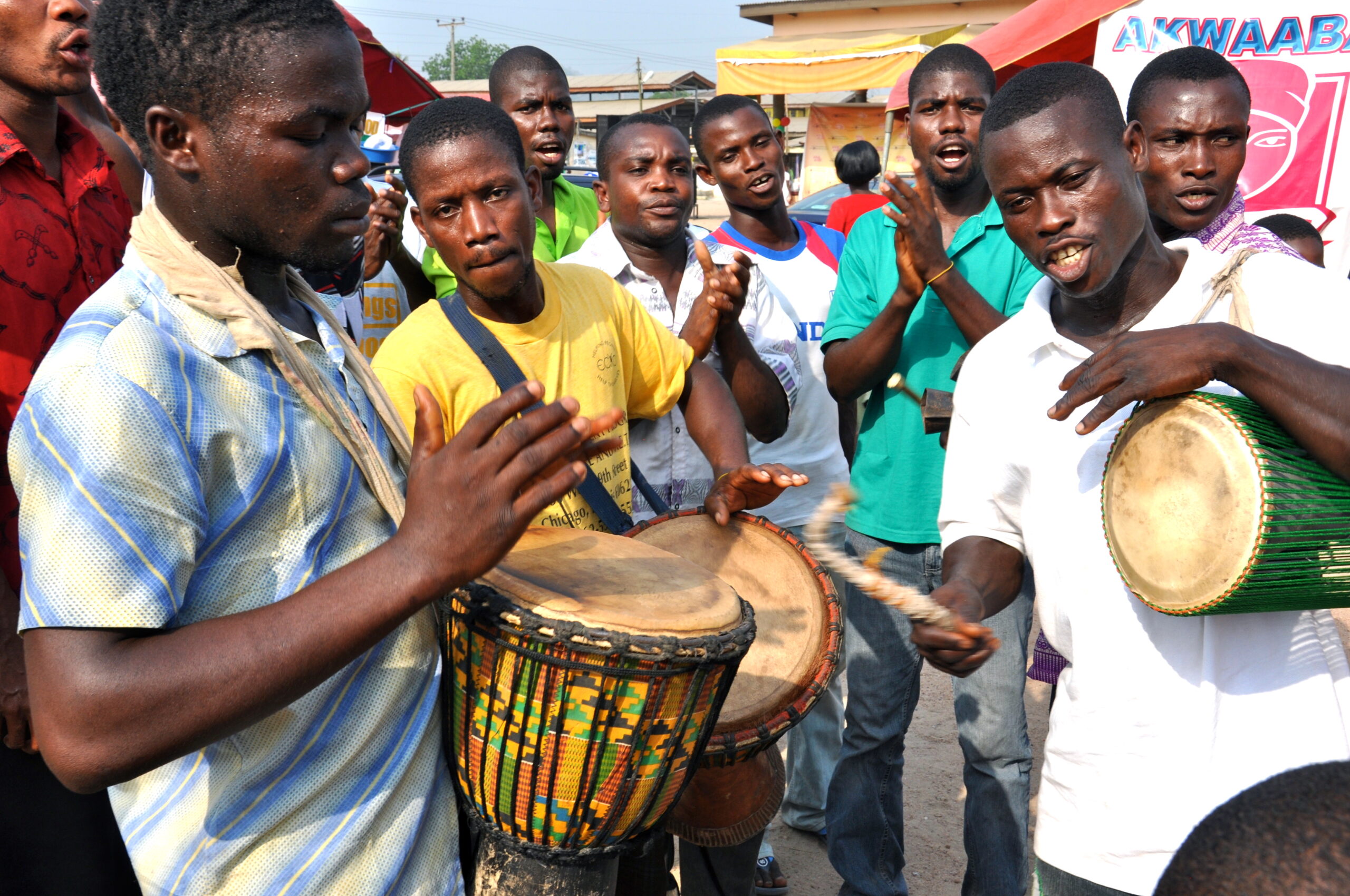
Talking drums are among the most famous examples of this, as they were designed to imitate the tones of local languages, allowing skilled players to convey complete phrases and messages that were understood by residents of neighboring villages.
Means of communication across forests
In countries like Ghana, Nigeria, Cameroon, and the Democratic Republic of Congo, the open nature and density of the forests helped drum sounds travel distances of up to several kilometers, with each village replaying the message to reach the next village, in an effective communication network that preceded modern communication methods.
Anthropology researchers suggest that this method was a practical way to exchange information in areas that are difficult to navigate.
More than a musical instrument
The function of drums was not limited to conveying news, but rather they were an essential element in religious celebrations, wedding ceremonies, funerals, and harvest festivals. They were also associated with the rituals of inaugurating leaders and announcing major events, which gave them a special status in African heritage.
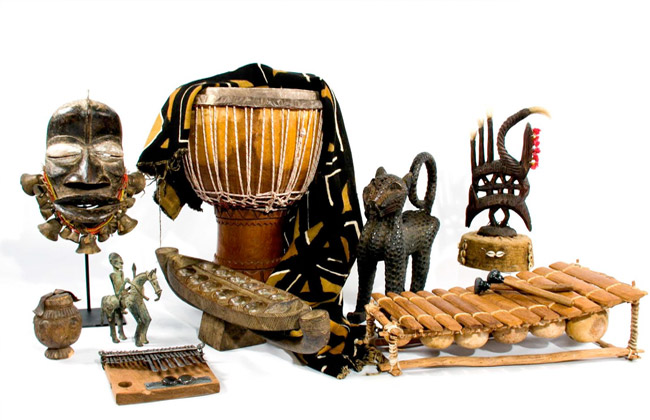
The shapes, sizes, and materials of drums vary from region to region, as they are often made from hollowed-out tree trunks and covered with animal skins, in accordance with the local environment.
Living heritage despite technology
Despite the end of their role as a daily means of communication, African drums are still present in festivals, popular celebrations, and cultural performances, and are studied in some heritage centers as part of the continent's cultural identity.
UNESCO emphasizes the importance of safeguarding intangible cultural heritage, including traditional music and performing arts that reflect the history and identity of peoples.

A cultural legacy that speaks in rhythm
The story of African drums reveals humanity's ability to invent means of communication that suit its environment and capabilities. Before humanity knew modern communication networks, rhythms carried news and messages between villages, making drums a living testament to the creativity of African societies and the richness of their cultural heritage, and one of the most prominent symbols that still pulsates with the continent's history to this day.




 Arabic
  English
  French