A more than 45% increase in textile production in Nigeria boosts the local industry
Written by: Ayman Ragab
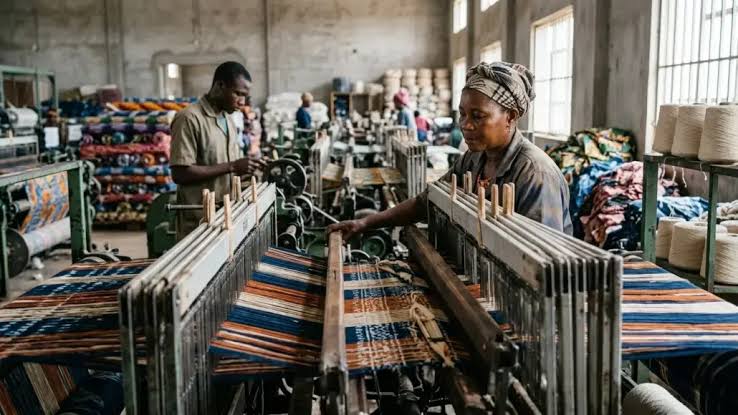
Nigeria's textile sector has recorded growth of over 45%, which has helped reduce dependence on imported clothing and opened up new opportunities for manufacturers across the country.
Industry experts believe this growth is a result of increased local investment, rising demand for Nigerian products, and growing interest among young people in entrepreneurship within the apparel industry.
The increase in production reflects the resilience and creativity of Nigerian entrepreneurs.
Experts called on the Nigerian government to maintain this momentum by providing modern production facilities, accessible financing, stable electricity supply, and vocational training programs to enhance the sector's global competitiveness.
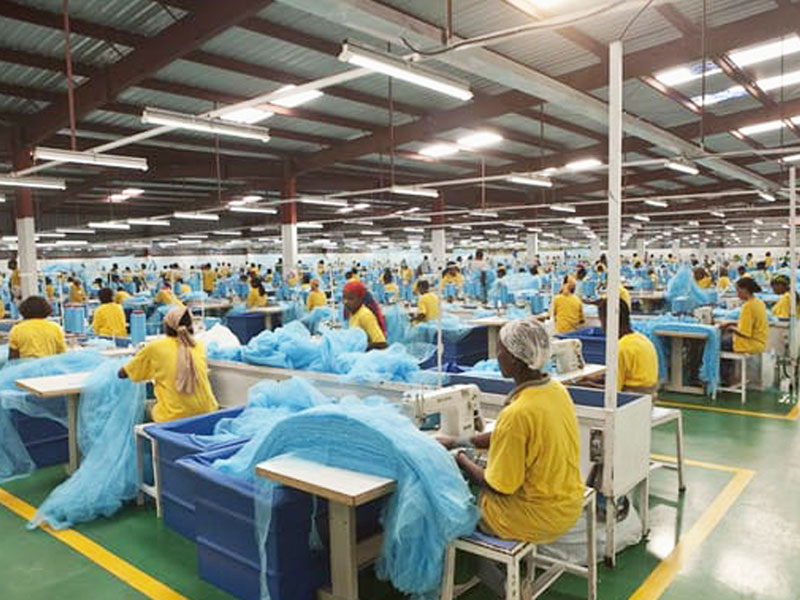
Economic and development expert Omar Sallis, in statements to the News Agency of Nigeria (NAN), explained that the increase in production reflects the resilience and innovation of Nigerian entrepreneurs despite economic challenges.
He pointed out that Nigeria is steadily moving towards reducing its reliance on imported clothing by expanding local production of shirts, trousers, jackets, suits, and other products.
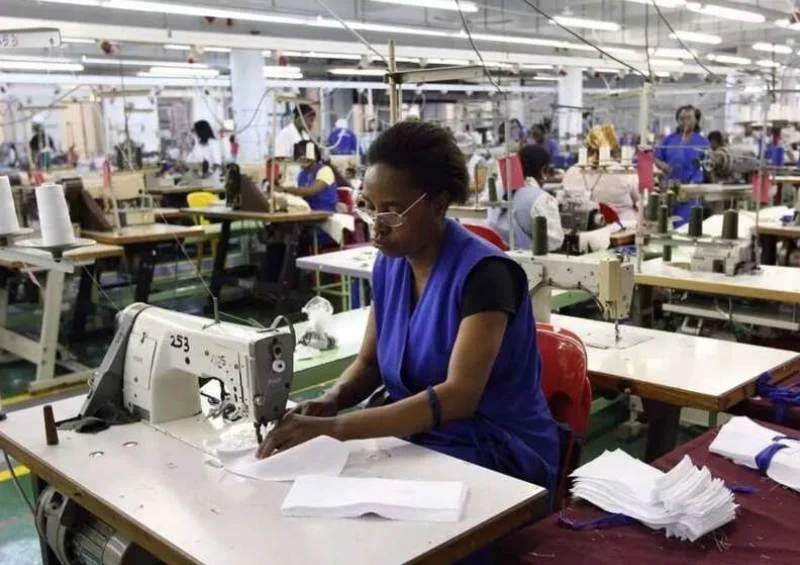
He added that the development of the textile industry contributes to job creation, foreign exchange conservation, and strengthening the country's industrial base, calling on the government to provide industrial clusters, accessible financing, sustainable electricity, and advanced production equipment, especially for youth-led projects.
Nigeria possesses the necessary ingredients to become a leading center for textile production.
Sallis confirmed that Nigeria has the necessary ingredients to become a leading textile and clothing production hub in Africa, provided the sector receives adequate support.
For his part, clothing factory owner Mousa Ibrahim said that growing demand for local products has encouraged many small and medium-sized businesses to expand their production operations across the country.
He added that the increasing consumer confidence in Nigerian clothing has boosted investments, created more job opportunities, and revitalized various links in the textile sector's value chain.
He explained that local factories produce shirts, trousers, jackets, formal wear, and corporate attire of a quality that competes with imported products. However, he pointed out that the most significant challenges remain limited access to modern machinery, unstable electricity, and difficulty in obtaining soft financing.
Experts agreed that continued investment in the local textile industry would accelerate the pace of industrialization, increase exports, boost local production, and further reduce Nigeria's reliance on imported clothing.