Mohamed Mehran, Professor of International Law: Sahel countries' withdrawal from the International Criminal Court is a political message with legal dimensions, and their victims pay the price | Interview
The withdrawal sparks widespread debate about the future of international justice on the African continent.
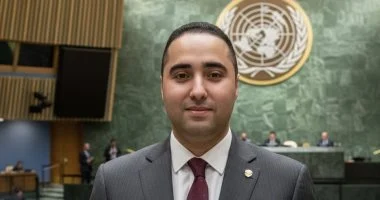
Written by: Mohammed Omran
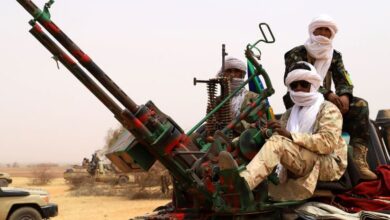
Amidst escalating tensions between a number of Sahel countries Mali, Burkina Faso, and Niger announced their withdrawal from the International Criminal Court, a move described as the broadest of its kind on the continent in recent years. This comes amid profound political and security shifts in the region since military councils took power through successive coups.
The withdrawal of Sahel countries from the International Criminal Court is a political message with legal dimensions, and their victims pay the price.
The decision, based on accusations of ”selectivity and politicization” against the court, has drawn widespread international reactions, amid warnings of its repercussions on the international criminal justice system, especially in a region suffering from armed conflicts and frequent accusations of violations against civilians.
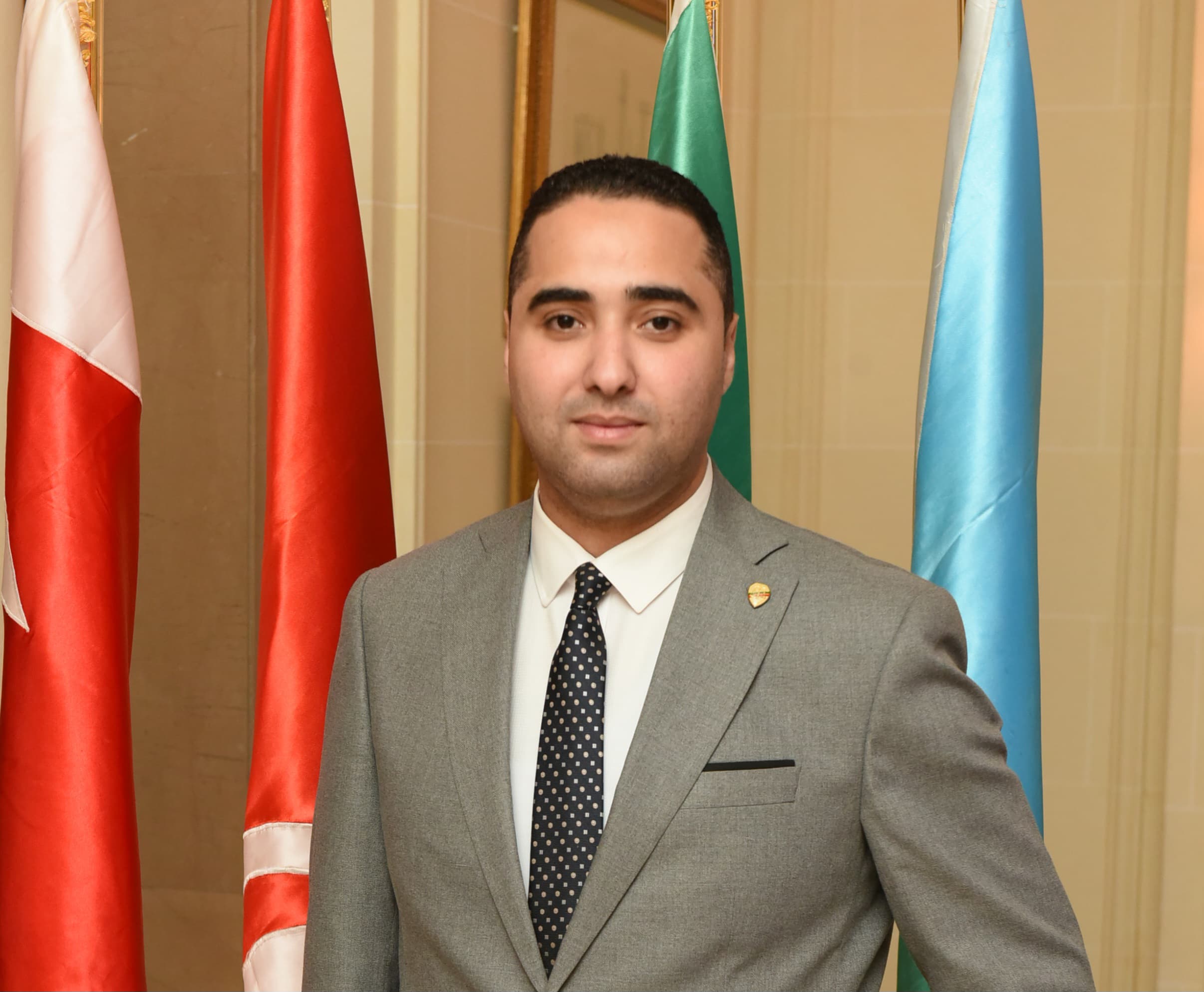
The withdrawal sparks widespread debate about the future of international justice on the African continent.
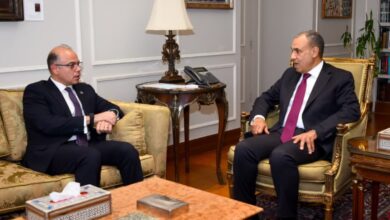
In this context, “Zoom Africa News” conducted an interview with Dr. Mohamed Mahmoud Mehran, Professor of Public International Law and member of the American and European Societies of International Law, to understand the dimensions of this important legal and political development, its implications, and its impact on the future of international justice in Africa and the world, and whether it represents the beginning of a broader wave of withdrawals from the International Criminal Court.
And to the details of the dialogue

How do you read the financial decision, and the withdrawal of Burkina Faso and Niger from the International Criminal Court?
The decision is not a surprise to those who have followed the trajectory of the Sahel Alliance since 2023; it is another link in a chain of successive separations that included ECOWAS, then French forces, and then Western partners. The International Criminal Court has become a symbol of Western dominance in the minds of these military governments, not a mechanism for justice.
What were the real reasons that led these countries to make this decision?
The apparent reason is the court's description as a tool of new colonial oppression, but the real reason is that the three countries face accusations of committing atrocities against civilians in their wars against armed groups, documented by Human Rights Watch, and withdrawal closes the door to accountability before it's even knocked.
Does withdrawal result in a halt to ongoing investigations?
No, Article 127, paragraph 2 of the Rome Statute explicitly states that withdrawal does not affect investigations and prosecutions commenced before it takes effect, and withdrawal will take a full year before becoming effective according to the same article, despite the three countries claiming immediate effect, which is a position of legal controversy.

How will this decision impact efforts to combat war crimes?
Very serious, the Sahel countries are a theater of continuous bloody conflicts, and withdrawal deprives potential victims of crimes of their only international judicial refuge and entrenches a culture of impunity.
Does the withdrawal of the three countries deal a blow to the prestige of the International Criminal Court?
Symbolically, yes, and practically, it's limited. The court has lost members before, like Burundi, South Africa, and the Philippines, then they returned. However, the timing of withdrawal coinciding with an adversarial U.S. and Israeli stance weakens the court at a critical moment.
Could the decision encourage other African countries to withdraw?
This is the greatest danger. If the three countries proceed without consequences, other countries, especially those facing similar pressures, will view their membership in the court differently.
What is the Basic Roman Statute?
It is an international treaty signed in 1998 and entered into force in 2002, establishing the International Criminal Court to prosecute perpetrators of genocide, war crimes, crimes against humanity, and crimes of aggression, and includes 125 member states.

Is the court's accusation of targeting African countries justified?
Partly yes. 90% of the court’s investigations targeted Africa, but the fact is that the referrals came from the African countries themselves or from the Security Council. The problem lies in the double standards, not in the court itself.
Are there alternative legal mechanisms?
Yes, and these are national courts, African regional courts, and UN investigations, but they are much weaker than international prosecution, and the principle of universal jurisdiction can be activated.
Could the three countries backtrack in the future?
Not under the current military governments, but any future democratic transition might reconsider the decision, as happened with South Africa.