Iran threatens to close strategic sea lanes as the US tightens its blockade
New escalation after tightening of the American blockade
Written by: Mohamed Ragab
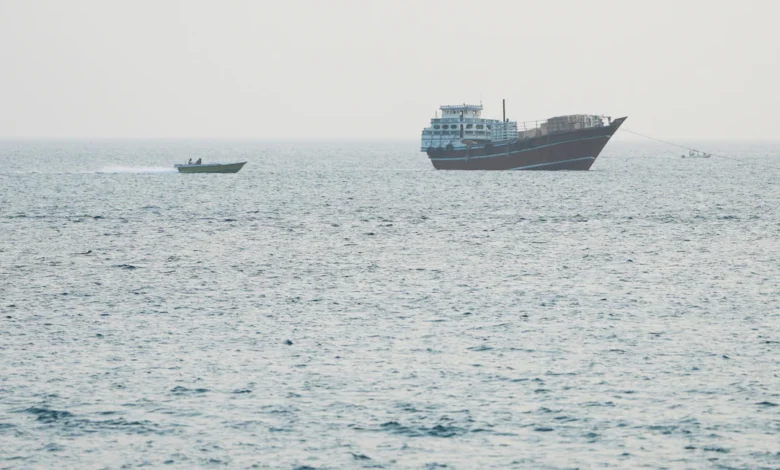
The crisis between the United States and Iran witnessed a new escalation, after the Iranian Revolutionary Guard threatened to close additional sea lanes serving energy exports and trade linked to the United States and its allies, following Washington’s announcement of reimposing a naval blockade on Iranian ports and intensifying its military operations against Iranian targets.
The Revolutionary Guard, in a statement carried by Iranian media, asserted that “energy exports in the region will either benefit everyone or deprive everyone of them,” in a message reflecting Tehran’s readiness to escalate the confrontation if US military and economic pressure continues.
Bab al-Mandab enters the circle of threat
Analysts believe that Iranian threats are not limited to the Strait of Hormuz, but extend to the possibility of using the Houthi group in Yemen to disrupt navigation through the Bab al-Mandab Strait, one of the most important maritime passages in the world, which connects the Red Sea to the Gulf of Aden and through which a large part of Gulf oil exports and international trade pass.
This scenario raises widespread concerns that two of the world’s most important energy arteries could be subject to simultaneous disruptions, which could lead to supply chain disruptions and higher shipping costs and global oil prices.
Washington escalates military pressure
In response, the United States announced the reimposition of a naval blockade on Iranian ports, coinciding with new strikes targeting military capabilities that Washington says are used to attack commercial ships in the Strait of Hormuz.
US President Donald Trump also threatened to expand the scope of strikes to include vital facilities inside Iran if Tehran does not resume negotiations, in a move that reflects the crisis entering a more sensitive phase as military messages continue to be exchanged between the two sides.
Energy markets are under increasing pressure
The escalation was quickly reflected in global oil markets, with crude prices rising amid investor concerns about disruptions to supplies coming from the Gulf region, which is one of the world's largest energy production and export hubs.
Experts warn that any prolonged disruption to shipping traffic in the Straits of Hormuz or Bab el-Mandeb could lead to significant jumps in oil and gas prices, and increase pressure on the global economy, which is still facing challenges related to inflation and slowing growth.
Fears of the conflict widening
Observers believe that the continued escalation between Washington and Tehran portends a more complicated phase in the Middle East, especially if the confrontation extends to the vital sea lanes on which the global economy depends.
In the absence of any indications of a resumption of the diplomatic track, markets and energy-importing countries are closely monitoring developments in the crisis, fearing that it could escalate into a wider confrontation that could affect international maritime security and the stability of global energy markets, which could impact international trade and the economy in the coming period.