
How did the memory of the Generation Z protests turn into a legal crisis in Kenya?
Human rights organizations confirm that the Nairobi lockdown has hampered the movement of citizens.
Written by: Mohammed Omran
The second anniversary of the “Generation Z” protests in Kenya represents a new test of the strained relationship between the authorities and security services on one hand, and civil society organizations on the other, after the procedures for securing demonstrations turned into a legal battle before the courts.
While the government justified the closure of downtown Nairobi as necessary to maintain security and prevent violence, human rights groups considered it a violation of court orders and freedom of movement, in a case that could redefine the limits of police powers in dealing with public protests.
Lawsuit rocks Kenyan police after Nairobi shutdown on anniversary of 'Generation Z' protests«
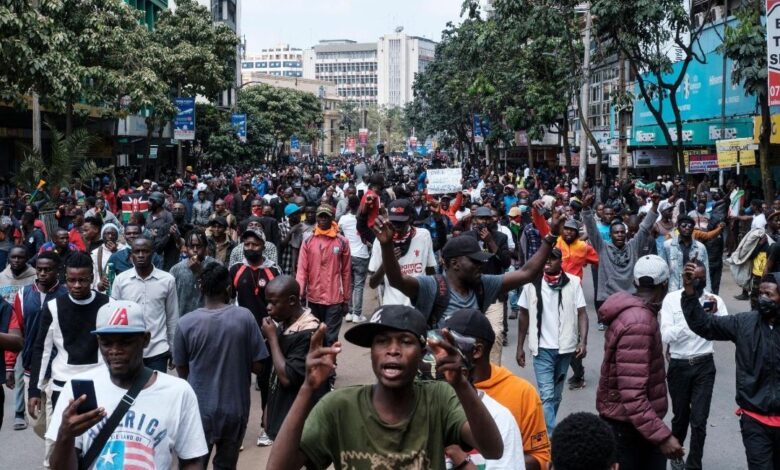
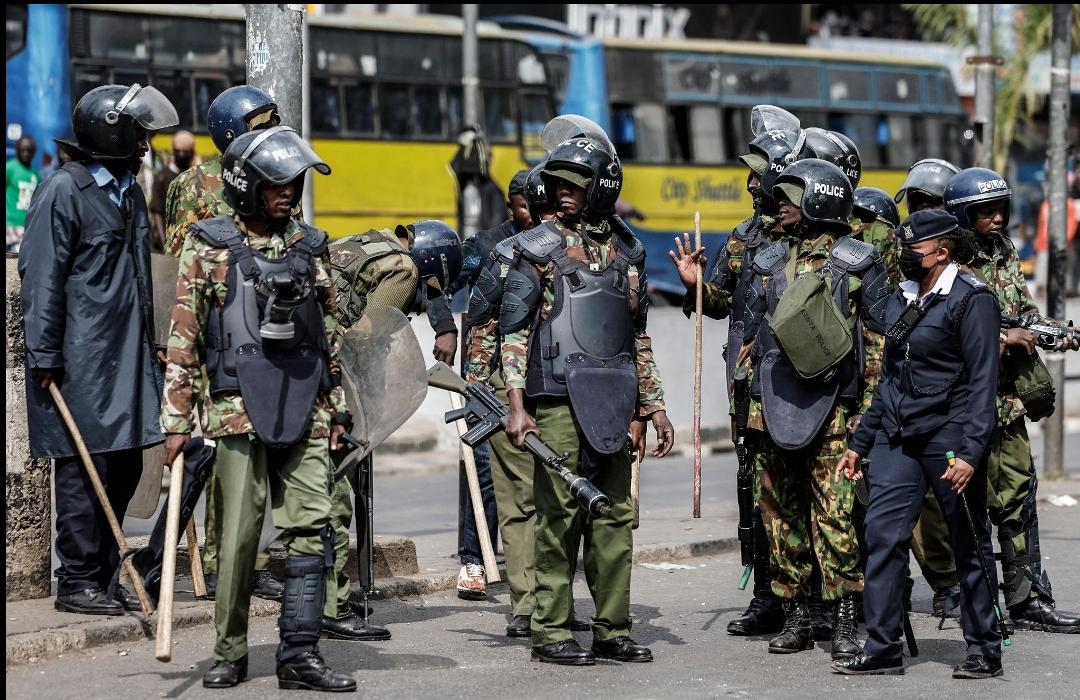
Kenyan police are facing legal action after closing down the center of the capital, Nairobi, during protests held to mark the second anniversary of the “Generation Z” uprising. Security forces arrested a number of protesters near the parliament building during events commemorating the deaths of more than 60 people in anti-government protests.
The Katiba Institute, a human rights organization, filed a contempt lawsuit against the Inspector General of Police, Douglas Kanga, accusing authorities of ignoring a court order by setting up unannounced roadblocks across the capital before the start of the anniversary march.
The participants commemorated the victims of the protests that erupted in 2024 in protest against the high cost of living and corruption, which culminated in protesters storming the parliament building, in one of the biggest political crises Kenya has seen in recent years.
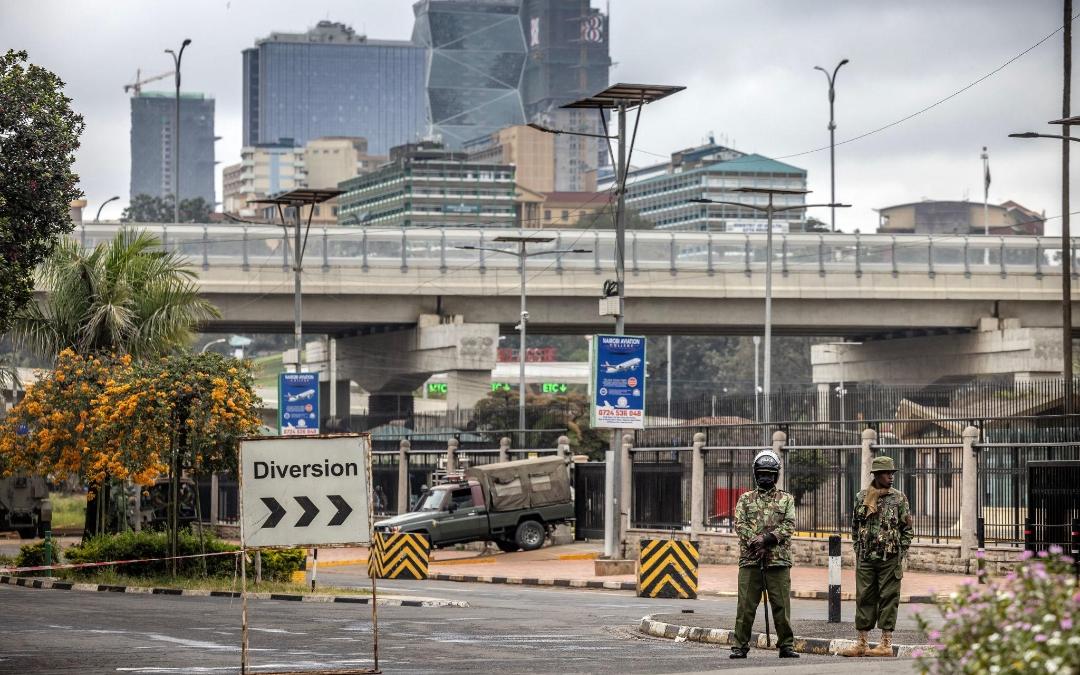
In contrast, the government defended its actions, asserting that the security barriers were erected based on intelligence indicating plans by criminal groups to infiltrate demonstrations, loot shops, and attack civilians.
However, human rights organizations considered the city's closure a violation of freedom of movement, hindering the movement of ambulances and emergency services, and restricting citizens' right to commemorate the anniversary peacefully.
This lawsuit comes at a time of increasing criticism of the Kenyan police's performance, with the police watchdog reporting that at least 127 people died during protests in the country in 2024 and 2025, amid accusations that security forces used excessive force and escaped accountability.
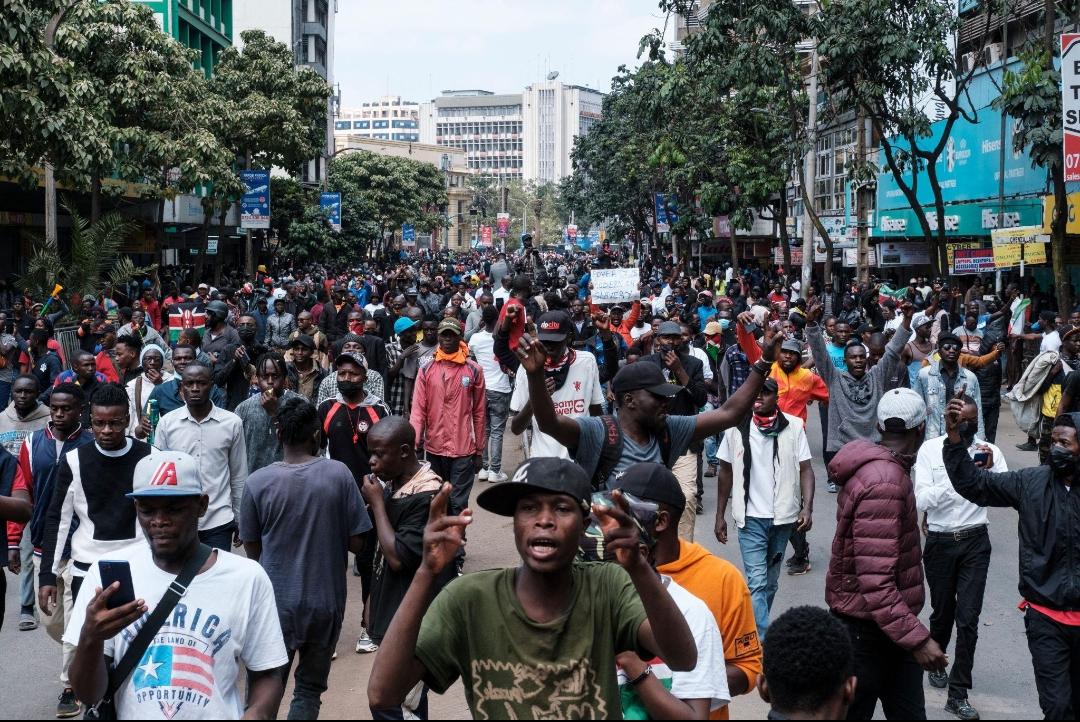
This case is expected to be an important test of the extent to which Kenyan police can be held accountable for violating court orders while dealing with public protests, and whether the court will set clearer legal limits to the powers of security agencies in such circumstances.




 Arabic
  English
  French