How did Africa become a global market for electric vehicles?
Mineral wealth puts the continent at the heart of the electric vehicle industry.
Written by: Mohammed Omran
Africa is undergoing a gradual transformation in electric car marketDriven by increased investment in manufacturing and rising demand for clean transportation, the continent also possesses vast reserves of key minerals used in battery production, such as cobalt, lithium, graphite, and manganese. As the global expansion of electric vehicle production continues, several African countries are beginning to shift from exporting raw materials to attracting value-added industries.
Morocco leads manufacturing in Africa
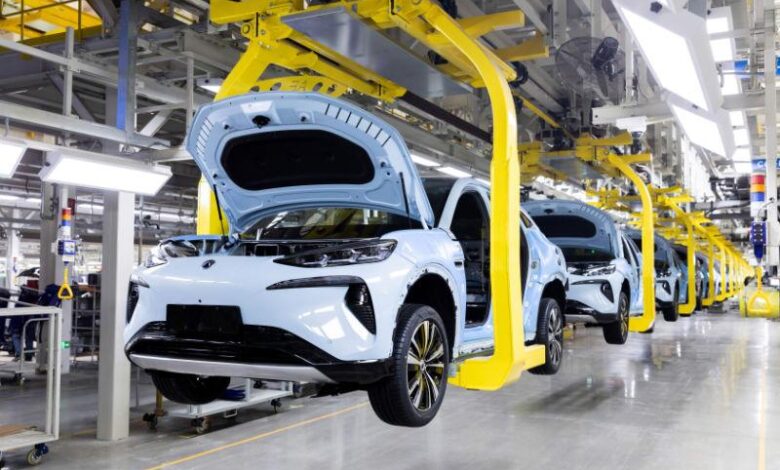
Morocco is the most advanced country in the electric vehicle industry on the continent, benefiting from its strong industrial infrastructure and proximity to European markets. In July 2026, the African Development Bank approved $114 million in financing for the construction of Africa's first large-scale electric vehicle battery factory, with investments led by the Chinese company Gotion High-Tech. A significant portion of the production is intended for the European market.
Ethiopia is expanding its use of electric vehicles.
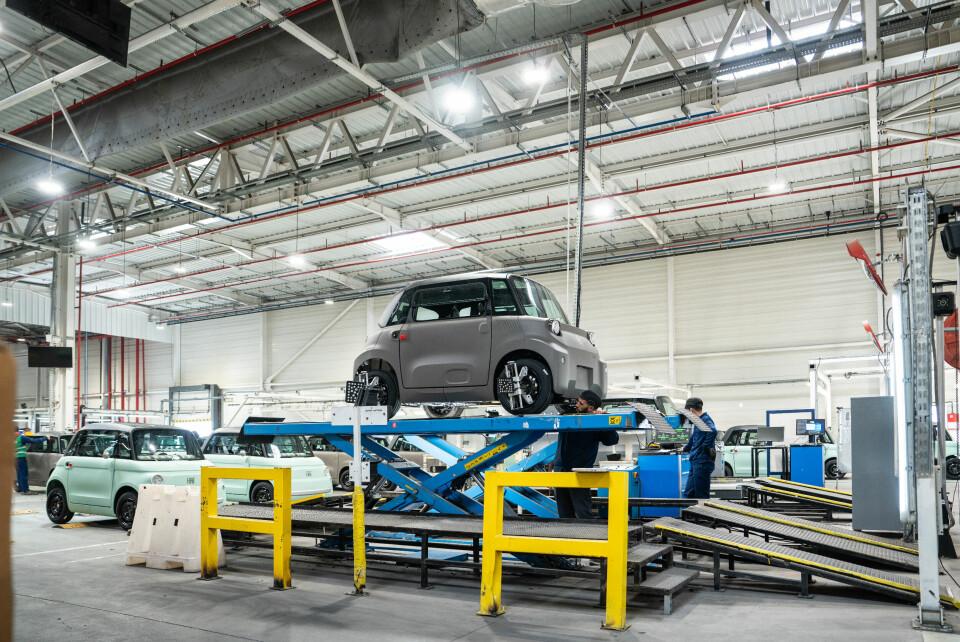
Ethiopia has emerged as one of Africa's fastest-growing electric vehicle markets after the government implemented measures to curb imports of gasoline and diesel-powered cars, aiming to reduce its fuel import bill. According to recent data, the number of electric vehicles in the country has surpassed 115,000, with plans to establish dozens of assembly plants by 2030.
African minerals attract investment
Africa occupies a strategic position in the electric vehicle supply chain. The Democratic Republic of Congo produces the world's largest share of cobalt, while Zimbabwe possesses significant lithium reserves. Mozambique, Tanzania, and Madagascar are leading producers of graphite, and South Africa and Gabon have substantial manganese reserves. These resources are driving global companies to invest in mining projects and battery component manufacturing within the continent.
Market growth despite challenges
Although electric vehicle sales in Africa still represent a limited share of the global market, international reports indicate continued growth in demand, particularly in Morocco, Egypt, South Africa, Ethiopia, and Rwanda. This growth is driven by the expansion of charging networks, increased industrial investment, and government support for the transition to low-emission transportation.
Challenges facing the sector
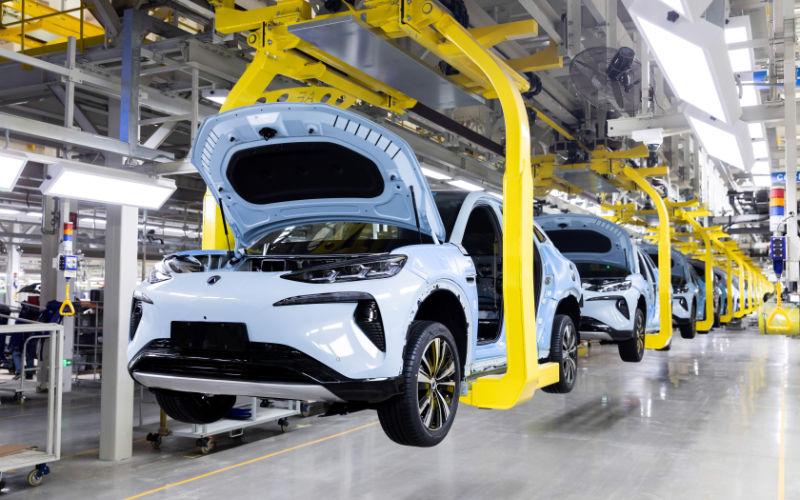
Several obstacles still limit the spread of electric cars in the continent, most notably the limited number of charging stations, the high prices of vehicles compared to the average income, the weakness of electricity networks in some countries, in addition to the continued reliance of most African countries on importing electric cars instead of manufacturing them locally.
The future of industry in Africa
Indicators suggest that Africa is poised to become a major player in the electric vehicle industry, not only as a source of minerals but also as a hub for battery and vehicle component manufacturing. This trend is bolstered by continued foreign investment, the expansion of new factories, and government policies aimed at building a competitive domestic industry for global markets.