Have women's economic empowerment programs been successful? Africa: Between success stories and the obstacles of reality
Despite the expansion of finance, entrepreneurship, and digital transformation, the gap in job opportunities persists.
Written by: Mohammed Omran
no longer Women's empowerment Economically in Africa is not just a slogan adopted by governments or an item in development plans, but in recent years it has become one of the most important issues that countries rely on to increase economic growth and confront poverty and unemployment.
While governments and international institutions have launched dozens of initiatives to support women entrepreneurs and expand funding and training opportunities, the question remains: Have these programs actually succeeded in changing the reality of African women, or are the results still less than the ambitions?.
The African Development Bank estimates that gender inequality in the labor market costs African economies billions of dollars annually, while the World Bank asserts that increasing women’s participation in economic activity is one of the fastest ways to boost growth and improve living standards.
Significant progress... but the picture is not yet complete.
Recent years have witnessed an expansion of programs to support women economically within a number of African countries, whether through microfinance, vocational training, or support for small and medium enterprises, in addition to an increased reliance on technology and digital financial services.
Data from UN Women shows that millions of women have gained access to financial services that were previously unavailable to them, especially with the spread of e-wallets and mobile banking in East and West African countries.
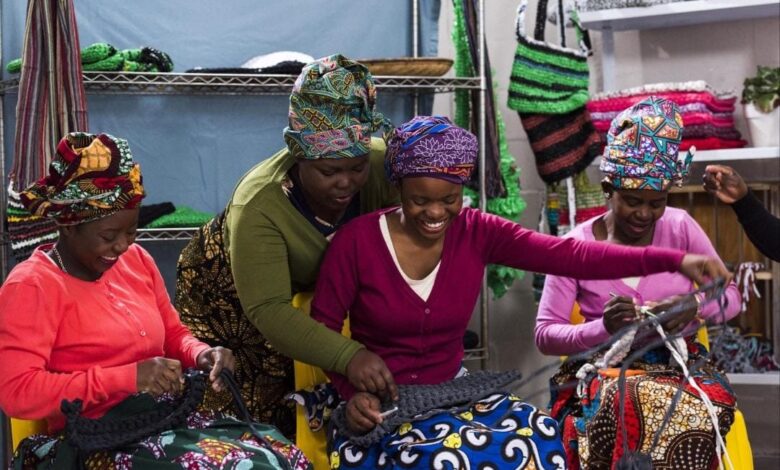
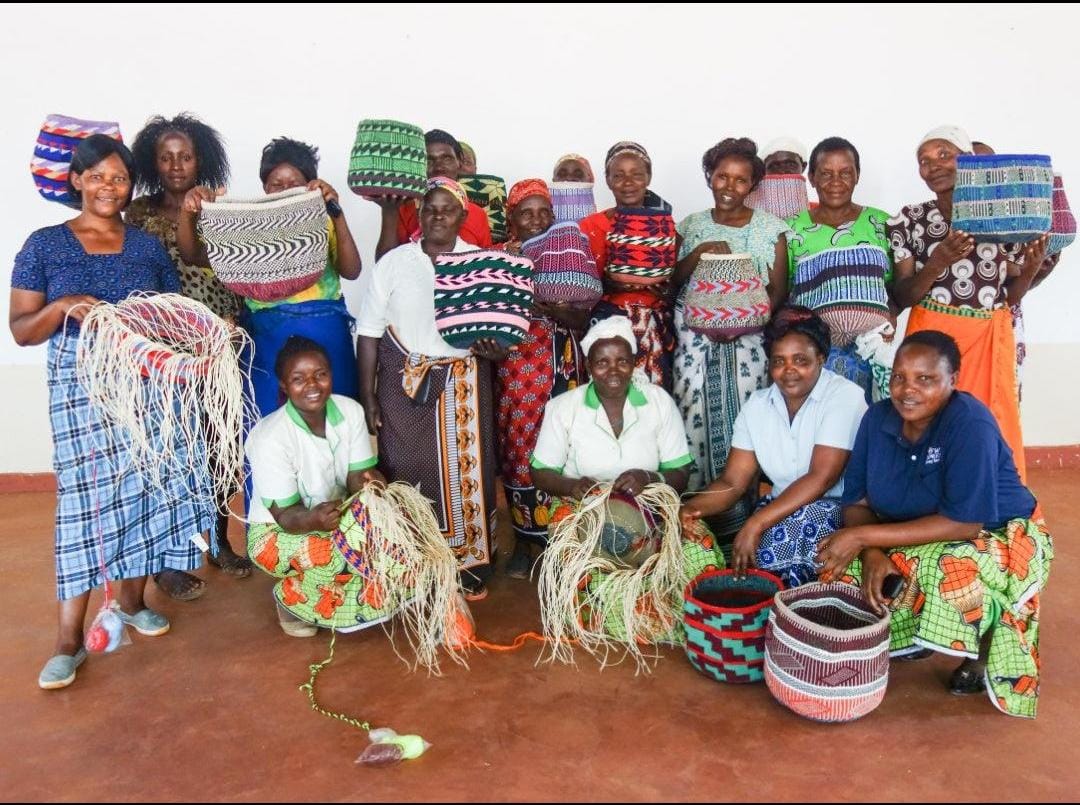
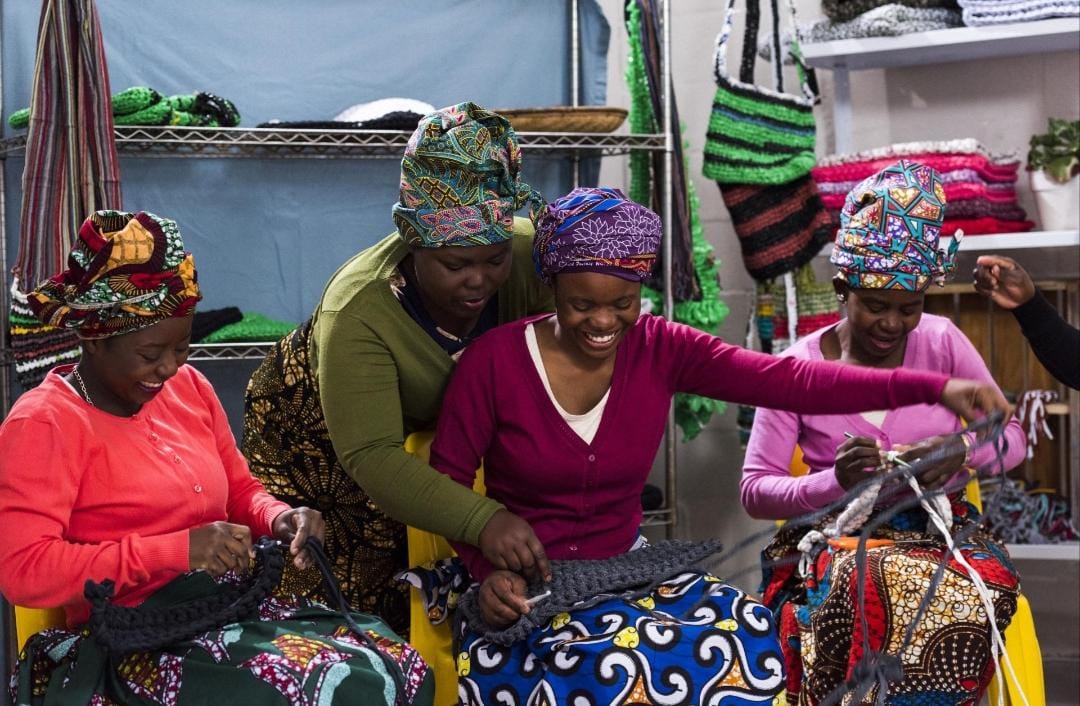
E-commerce and social media platforms have also contributed to opening new markets for home-based businesses, handicrafts, local fashion and food products, which has boosted opportunities for thousands of families to achieve independent income.
Funding… the weakest link
Despite this progress, the funding gap remains the biggest obstacle for African women.
According to reports from the African Development Bank, women-owned businesses face greater difficulty in obtaining loans and investments compared to men-run businesses, due to a lack of collateral, higher financing costs, and weak financial literacy in some areas.
A large percentage of women also work in the informal sector, which deprives them of access to bank loans, social security, and government protection programs.
Rwanda: The most successful experiment
Rwanda is one of the most prominent African experiences in women's empowerment, having implemented legal and economic reforms that have strengthened women's rights to ownership, investment and work.
These reforms have helped increase women’s participation in economic activity, raise the number of women-run businesses, and achieve remarkable progress in women’s representation within public institutions and decision-making positions.
Experts believe that Rwanda’s success was not just a result of funding, but came through integrated legislative reforms, and linking empowerment programs to education, entrepreneurship and digital transformation.
Kenya and Nigeria: Technology is changing the game
In Kenya, electronic payment services and digital wallets have helped thousands of women manage their businesses without the need for traditional banking transactions.
In Nigeria, support programs for women-led startups have expanded, particularly in the fields of technology, e-commerce and creative industries, with support from the private sector and international institutions.
Economists believe that technology has become one of the most important tools for empowering women in Africa, after it reduced the cost of accessing markets, customers and financial services.
Challenges still exist
Despite the success stories, the road is still long. According to the International Labour Organization, a large proportion of African women are concentrated in low-income jobs or the informal sector, and women in rural areas face challenges related to access to education, the internet, finance, and vocational training.
Development reports indicate that some empowerment programs focused solely on providing funding, without providing training, marketing, or technical support, which led to the failure of a number of projects a few years after their launch.
The wage gap and the underrepresentation of women in some economic sectors remain among the most prominent challenges facing many countries.
Economic empowerment is no longer a social issue.
The issue of women's empowerment in Africa is no longer just about equality, but has become primarily an economic issue.
International institutions believe that increasing women’s participation in the labor market means higher production, increased consumption rates, improved household incomes, and the creation of new job opportunities, which directly impacts economic growth rates.
Therefore, the African Union's Agenda 2063 places women's empowerment among its priorities, as one of the drivers of sustainable development on the continent.

Between success and challenges
African experiences reveal that women's empowerment programs have made tangible progress in some countries, particularly in the areas of digital finance, entrepreneurship and legislation, but their success still varies from country to country.
Development experts believe that the next stage requires moving from launching initiatives to measuring their real impact, by increasing women’s participation in the formal economy, reducing the funding gap, and providing a more supportive legal and investment environment, so that women’s empowerment becomes a fundamental pillar of economic growth in Africa, and not just a development goal.