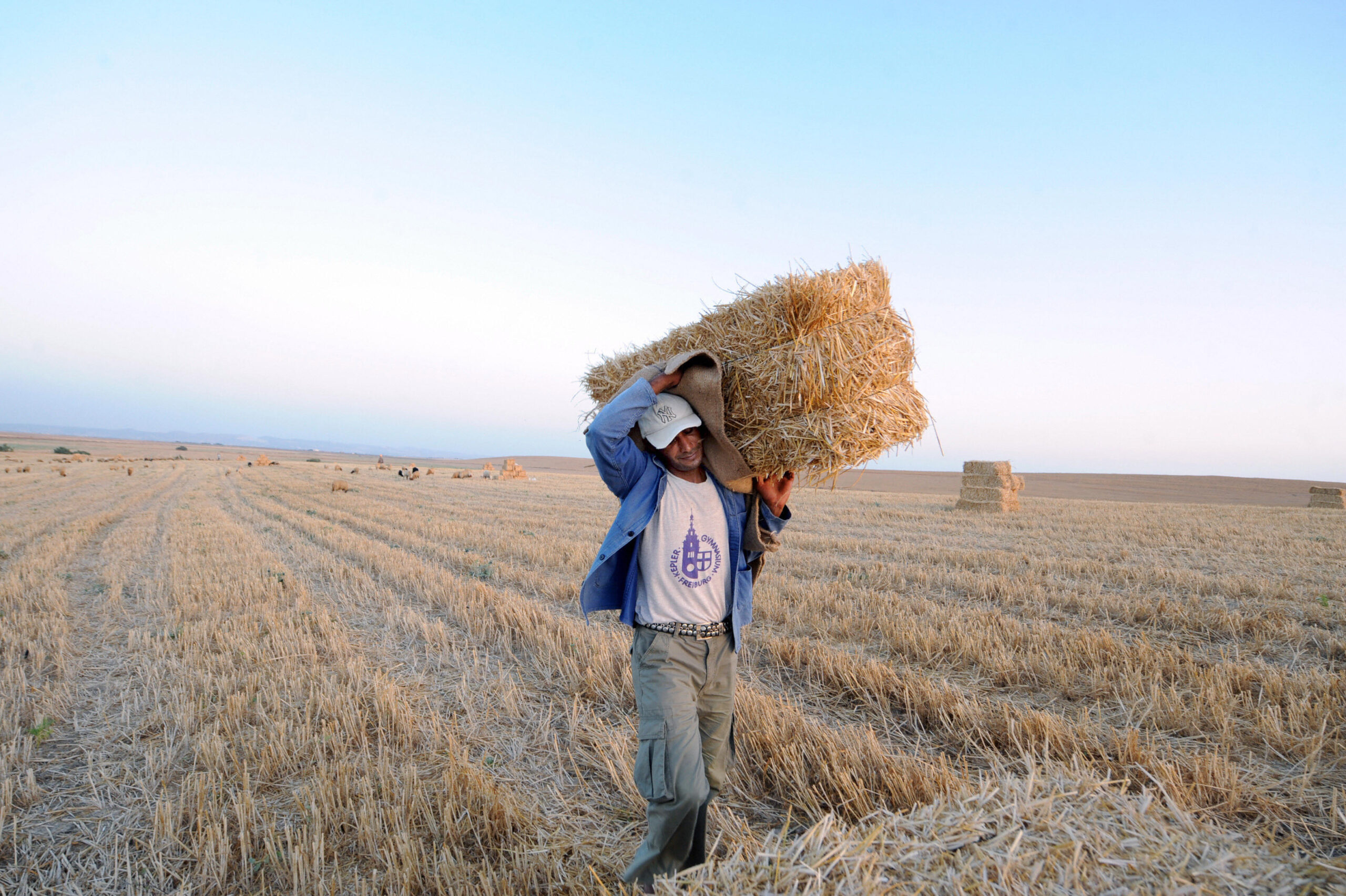
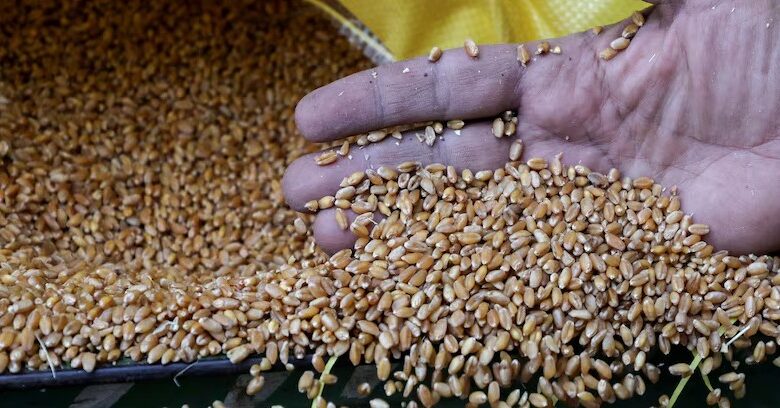
Egypt has purchased approximately 4.9 million tons of local wheat since the beginning of the season.
The supply season continues until mid-August.
Written by Ziad Abdel Fattah:
Dr. Mostafa Madbouly, Prime Minister EgyptThe government has successfully purchased approximately 4.9 million tons of local wheat since the start of the current supply season, as part of the state's efforts to strengthen strategic reserves and secure market needs.
According to official procurement data seen by Reuters, the total amount supplied up to Wednesday was about 4.69 million tons, compared to about 4.6 million tons a month earlier, reflecting the continued pace of supply as the end of the season approaches.
Supply will continue until August
The local wheat supply season in Egypt, which is one of the world’s largest wheat importers, extends from mid-April to mid-August each year, as part of the government’s plan to meet the needs of the subsidized bread system and enhance food security.
The government aims to purchase about 5 million tons of local wheat during the 2026 season, as part of a strategy aimed at increasing reliance on local production, reducing the import bill, and supporting the country's reserves of strategic commodities.
The relevant authorities continue to receive wheat from farmers through approved storage sites and silos, while providing the necessary facilities to ensure the regularity of supply operations until the end of the season.