ECOWAS countries sign intergovernmental agreement to support Morocco-Nigeria gas pipeline project
A new step towards implementing a $25 billion gas project
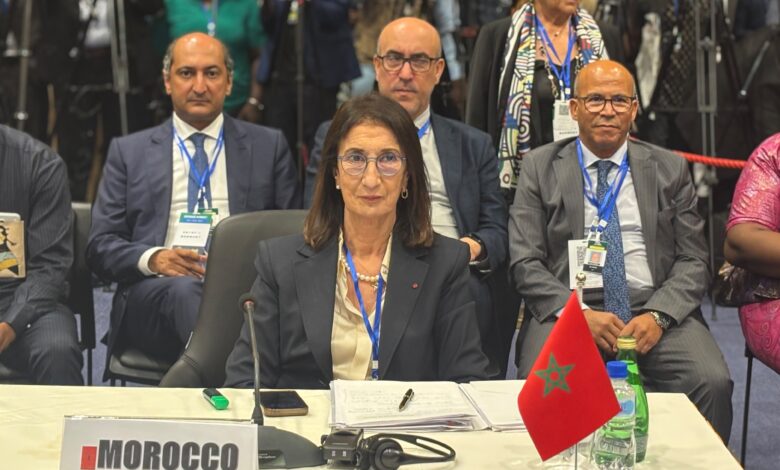
Ahmed Salem
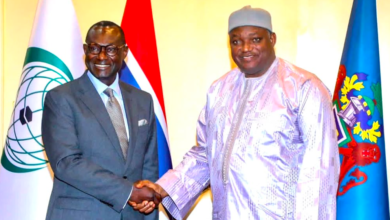
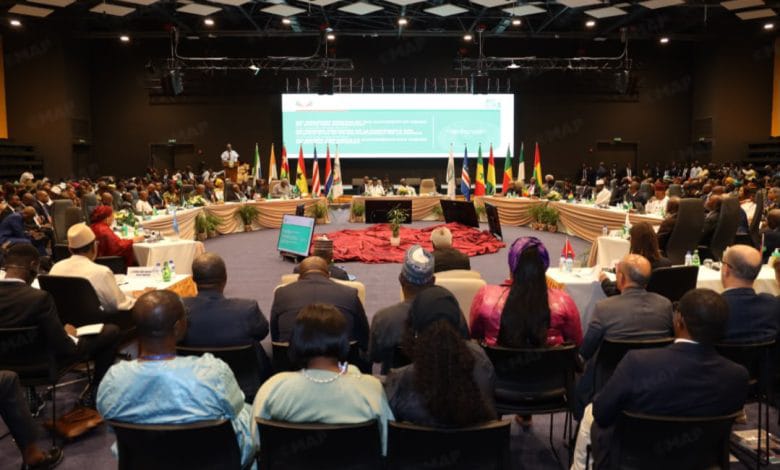
Freetown, the capital of Sierra Leone, hosted the summit of heads of state and government of the member countries of the Economic Community of West African States (ECOWAS) on Sunday, July 19, 2026.
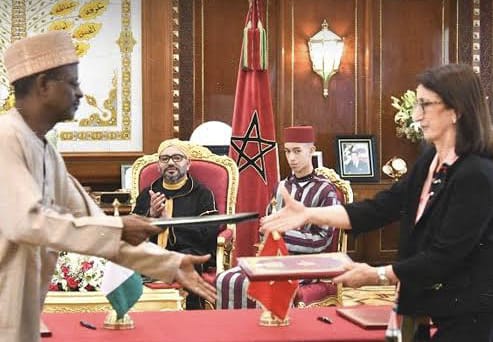
The summit witnessed the signing ceremony of the international governmental agreement, which aims to develop the African Atlantic Gas Pipeline “Nigeria-Morocco”, related to the establishment of an energy infrastructure extending over a length of approximately 6,800 kilometers, intended to transport natural gas from Nigeria to Morocco, before linking it to the European gas network.
The signing of the accession of the member states of the Economic Community of West African States (ECOWAS) to the project launched by the Moroccan monarch, King Mohammed VI, and the late Nigerian President Muhammadu Buhari, constitutes an important milestone in the implementation of one of the most important projects.
Strengthening the energy capabilities of Atlantic countries
These projects are expected to contribute to the growth, development and enhancement of the energy and development capabilities of the 13 countries bordering the African Atlantic coast, as it will be able to transport 30 billion cubic meters of natural gas annually.
Up to 15 billion cubic meters can be exported, some to Morocco and Europe, while the remainder will be allocated to regional markets.
The $25 billion African Atlantic Gas Pipeline project aims to create an integrated regional market for natural gas in West Africa, and to support electricity production, manufacturing, and the development of the continent's natural resources.
Joint strategy between Morocco and Nigeria
Having started as a joint strategic initiative between Morocco and Nigeria, the African Atlantic Gas Pipeline is now firmly established with this signing as a project supported by the entire West African region.
The support of the member states of the ECOWAS group for the project comes as a reinforcement of the political and institutional pillars, and it also reinforces the foundational momentum given to it by the two countries that launched it, Morocco and Nigeria, which consider, according to their declared official positions, that Africa’s energy security represents a fundamental lever for sovereignty, industrialization and shared prosperity.