Ebola penetrates Central Africa.. Frightening statistics for the spread of the virus
Report - Ahmed Salem:
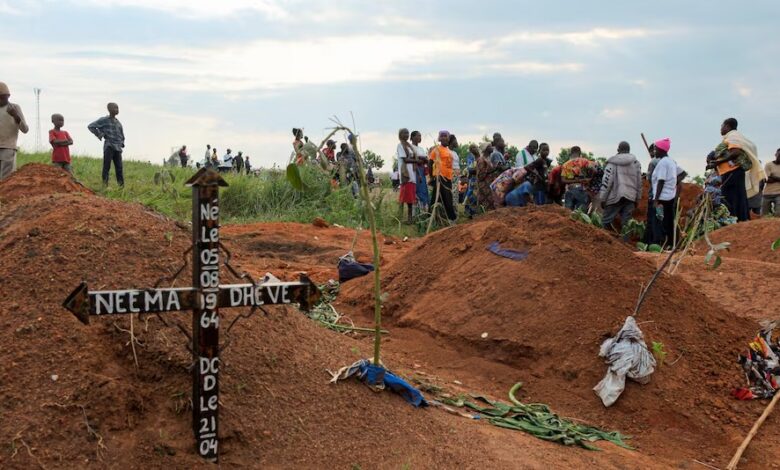
The Ebola virus outbreak is increasing in Central Africa, posing a health crisis that raises concerns among countries worldwide, while health officials race to contain its spread. Since the World Health Organization declared the outbreak in mid-May 2026, the number of virus cases has exceeded one thousand.
The Ebola virus, a group of viruses called Orthobolaviruses, causes it, and it is highly contagious and can be fatal if not detected and treated early.
The current outbreak is due to a rare strain of the Ebola virus called the Bundibugyo virus, a less common variantof the Zaire virus, which has been responsible for widespread outbreaks in the past.
The Congo: The Epicenter of the Outbreak
On July 9, 2026, the Democratic Republic of Congo reported 1,792 confirmed cases, including 625 deaths, according to data released as of July 8.
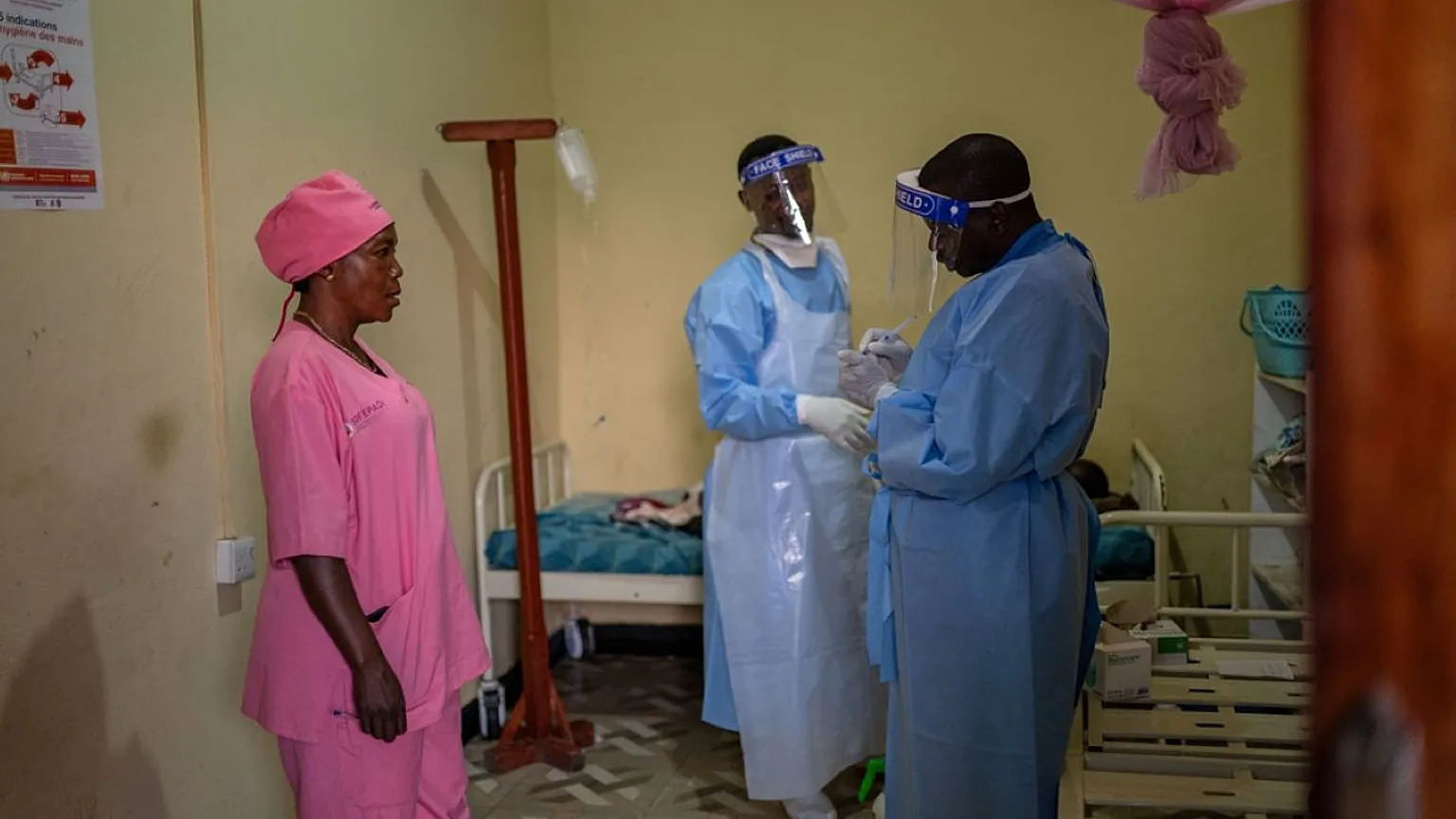
While 764 patients are undergoing isolation in hospitals. This represents an increase of 33 new confirmed cases and 25 deaths.
New cases were recorded in Ituri and North Kivu, and two cases were recorded in Kisangani in the province of Tshopo, adjacent to Ituri, one of which is linked to Ituri.
These two cases were not included in the total because investigations are still ongoing, Among those confirmed to have contracted the Bondibugio virus, 295 people have recovered, and 78.6% of those who came into contact with confirmed cases are being monitored in Ituri and North Kivu provinces.
Ituri province is the most affected
Of the confirmed cases in the Democratic Republic of Congo, Ituri province remains the most affected, with 1,631 cases recorded, including 535 deaths, in 25 health zones out of 36.
In North Kivu, 158 cases were recorded, including 89 deaths, in 11 health zones out of 34.
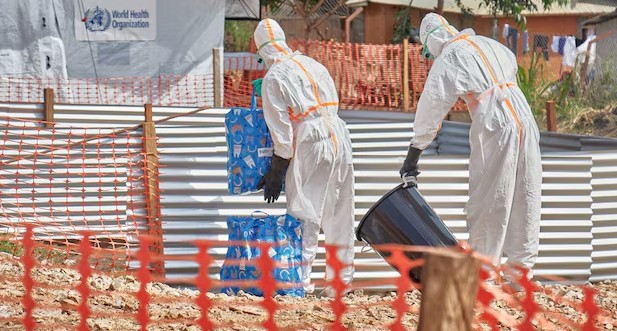
In South Kivu, three cases were recorded, including one death, in one health zone out of 34. Overall, 37 health zones out of 104 in the three provinces were affected.
Uganda: The Nearest Neighbor to the Virus
As of July 9th, the Ministry of Health in Uganda has reported 20 confirmed cases, including two deaths.
The last confirmed case was recorded on June 21, and no new cases have been registered since then, while 16 people have recovered so far.
Of the confirmed cases, 15 had travel links to the Democratic Republic of Congo, and five cases were linked to local transmission.
Scattered injuries in Europe
In May 2026, an imported case of an American citizen was recorded. He was medically evacuated to Germany for treatment. On June 24, 2026, the French Ministry of Health reported another imported case. Both cases were found to have come from areas affected by the ongoing epidemic outbreak in the Democratic Republic of the Congo.
Despite significant gaps in surveillance and epidemiological monitoring, the likelihood of the population of the EU or EEA contracting the infection is considered very low.
The European Centre for Disease Prevention and Control continues to monitor the situation closely and will update its assessment as soon as new information becomes available.