What does the South Tripoli power station mean for the future of electricity in Libya?
From construction to operation: The South Tripoli power station represents a leap forward in the electricity sector.
Written by: Badr Ahmed
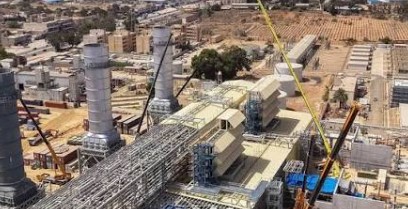
The South Tripoli gas power plant is nearing actual commissioning, in a step that represents one of the most prominent infrastructure projects in the electricity sector, as it prepares to start operating with an initial production capacity of 320 megawatts, within an integrated project whose total capacity reaches 1320 megawatts, which contributes to supporting the national electricity grid and meeting an important part of the increasing demand for energy.
The project comes within the framework of plans to develop the electricity sector and raise the efficiency of the production system, especially with the increasing loads during peak periods, as the station is expected, after the completion of all its phases, to cover more than 15% of the country’s total electricity needs, making it one of the largest power generation stations in Libya.
The largest electricity production projects in Libya
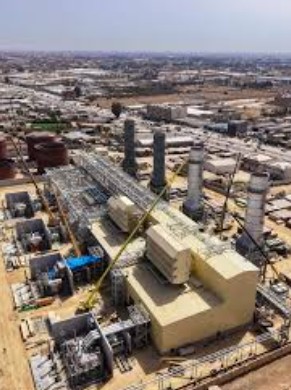
The station relies on modern gas turbine technology, which is characterized by rapid operation and high production efficiency compared to many traditional stations, as well as its ability to respond quickly to changes in electricity demand, which positively impacts the stability of the network and reduces outage periods.
The first phase has a production capacity of 320 megawatts, with subsequent phases of operation to follow until the full design capacity of 1320 megawatts is reached, providing a significant addition to the country's generation capacity and helping to bridge the existing gap between production and consumption.
The operation of the station is expected to contribute to improving the quality of electricity supply and reducing load shedding hours, especially in the western regions, in addition to supporting economic and industrial development plans that require stable and sustainable electricity supplies.
The project also represents a strategic investment in the energy sector, as it keeps pace with the state’s directions towards modernizing the electrical infrastructure, raising the efficiency of energy production, meeting the needs of population growth and urban expansion, as well as enhancing the reliability of the national grid in the face of the continuous increase in demand.
Experts believe that the entry into service of the South Tripoli gas power plant will constitute a qualitative addition to the electricity system, not only through increasing production capacity, but also through improving the flexibility of network operation and reducing dependence on old, low-efficiency power plants, which will be reflected in the stability of electricity supplies to homes, vital facilities and economic sectors.
As the commissioning and technical testing work nears completion, attention is turning to this project as one of the most important electricity projects in Libya, as it represents an important step towards enhancing energy security, improving services provided to citizens, and supporting the development process in the coming years.