Blacksmiths in Mali.. Preserving the traditional plow industry to support the agricultural season
The rising prices of agricultural equipment are creating a crisis for farmers.
Written by: Ayman Ragab
With the arrival of the rainy season, which extends from June to September, agricultural activities in Mali regain their vitality, and the demand for tools needed to prepare the land increases.
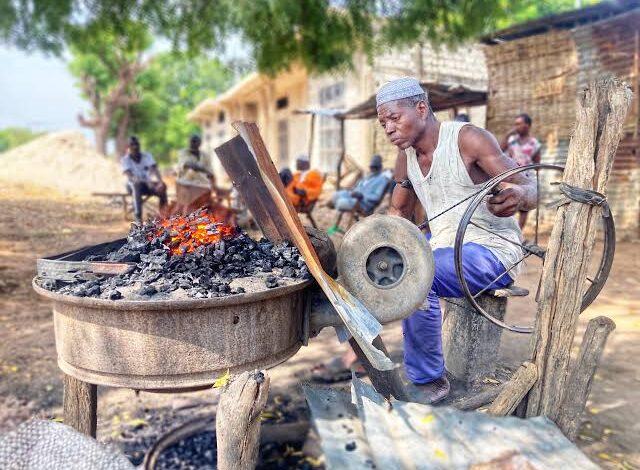
In the capital, Bamako, blacksmiths continue to preserve the traditional craft of plow making that they inherited from their ancestors, while developing it to keep pace with modern agricultural technologies.
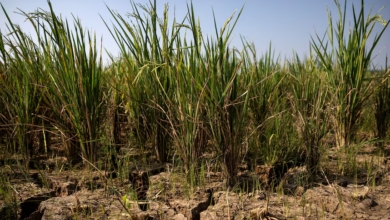
After an exceptionally dry season, the rainfall brings hopes for a successful growing season for rice, millet, sorghum, maize and cotton, which is the country's main crop.
Agricultural equipment price crisis
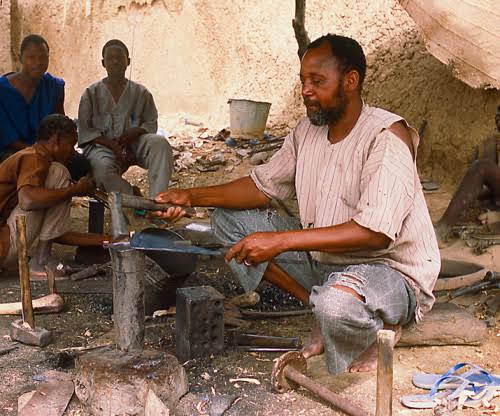
The cultivation of approximately 7.6 million hectares of arable land, employing around 80% of the population and contributing about 33% to the GDP, depends on tools made by blacksmiths, who form a fundamental pillar of the agricultural sector.
With the rising prices of modern agricultural equipment, many farmers find it difficult to acquire it, prompting them to rely on local blacksmiths who are able to manufacture tools and adapt them to the needs of modern agriculture.
Farmer Belenke Fofana says he could not afford a tractor because of its high cost, so he turned to blacksmith Diacaridea Conate to buy a traditional plow, asserting that “the handmade plow is sturdy, strong and serves him efficiently.”.
For his part, Konate explained to le360 that the rainy season represents the peak of his activity, during which he focuses on manufacturing plows pulled by oxen, donkeys or horses, noting that the demand for his products is still high despite the spread of modern agricultural equipment.
He added that traditional tools can now be adapted to modern agricultural technologies, reflecting the ability of traditional crafts to evolve in line with the needs of the sector.
Despite the gradual expansion of agricultural mechanization, the plow remains an essential tool for small, low-income farmers, as it is used to plow the land before moving on to sowing and leveling the soil.
Prices for plows range between 20,000 and 40,000 African francs.
Konate explained that the prices of the plows range between 20,000 and 40,000 African francs depending on the model, noting that he can assemble up to ten plows per day when the main parts are available in advance.
He stressed that the agricultural equipment industry represents a promising profession and a stable source of income, allowing those working in it to live with dignity.
The importance of blacksmithing in Mali extends beyond its economic role to its cultural and social significance, representing a part of the country's intangible heritage. According to local tradition, children born after repeated miscarriages were sometimes entrusted to a blacksmith for adoption, in the belief that this increased their chances of survival—a custom reflecting the prestigious position blacksmiths hold in Malian society.