The continent's key to emerging from darkness: Africa's top solar energy producers
The future of solar energy in Africa
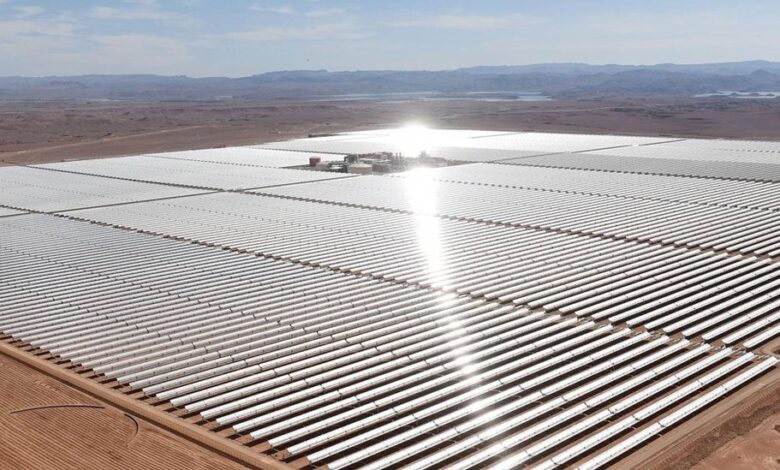
The African continent is taking rapid steps towards securing future Sustainable energy, as the latest data issued by the Energy Research Unit (Attaqa) revealed a clear Arab dominance on the list of countries with the most operational solar energy capacity.
According to the latest report, the continent’s top 5 countries account for approximately 10.2 gigawatts of Africa’s total operational capacity of 15.4 gigawatts, reflecting broad continental ambitions to diversify the electricity mix and strongly enter the era of green hydrogen.
South Africa and Egypt
South Africa leads the African scene with an operational capacity of up to 4.7 gigawatts, benefiting from high solar radiation rates of up to 2,500 hours per year, making solar energy the second largest source of electricity in the country with a percentage exceeding 8%.
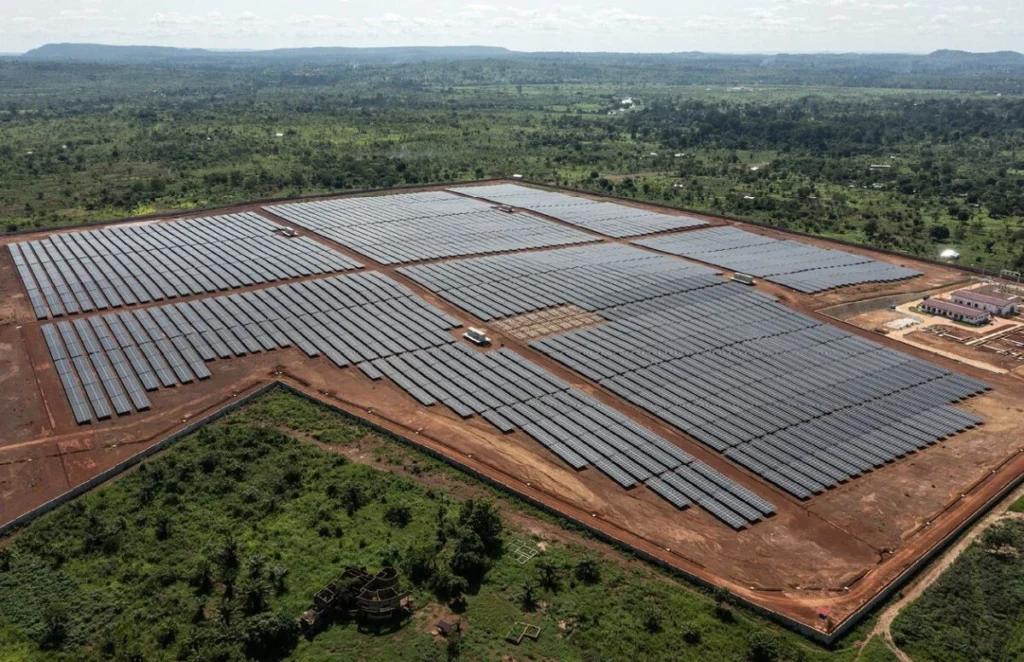
In second place, Egypt stands out as a major solar power with a capacity of 3.6 gigawatts, amid ambitious plans to raise the share of renewable energy to 421 TPD3 by 2030. Egyptian capacity is expected to jump to 6.2 gigawatts this year, 2026, especially with the expansion of mega-projects.
Morocco is a promising African model
Morocco ranks third in Africa with a capacity of 0.9 gigawatts, a figure poised for strong growth as the Kingdom aims to reach 521 TPD3T of electricity mix via renewable energy by 2030.
Moroccan regions, especially in the Sahara, enjoy an exceptional average solar radiation of up to 6.2 kilowatt-hours per day, making them a global destination for clean energy investment. International institutions expect Moroccan capacity to jump to nearly 3 gigawatts within the next three years, to compensate for the slight decline in the share of solar energy in the national mix during the past year.
Algeria and Libya
In fourth and fifth place, Algeria and Libya appear with an operating capacity of 0.5 gigawatts each, with a clear strategic vision behind these figures.
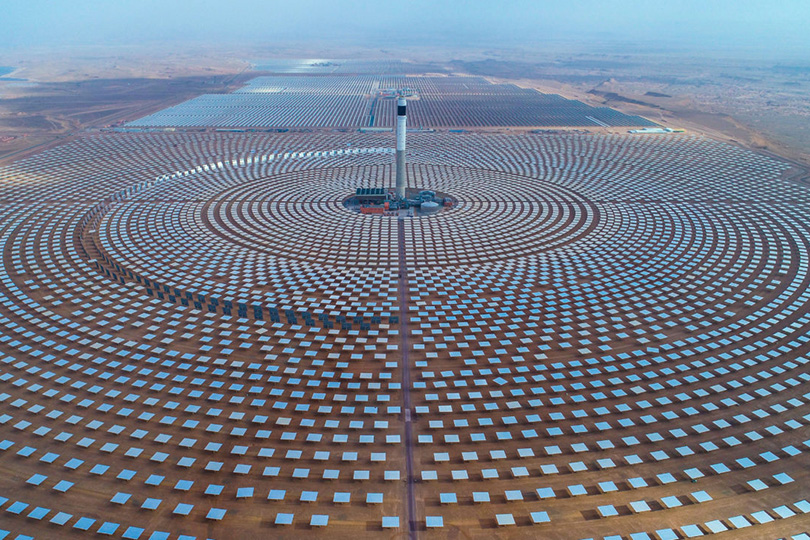
Algeria, for its part, is seeking to break its historical dependence on natural gas through a plan to raise renewable energy capacity to 15 gigawatts by 2035, having already begun implementing a series of major solar power plants.
As for Libya, it is focusing on solar expansion to provide local gas and direct it towards export, which raises its economic value in global markets.
The sun is the key to ending the continent's darkness.
According to international reports that discuss the future of solar energy in the African continent, the importance of these projects is not limited to economic aspects only, but they represent a lifeline for about 600 million Africans who still lack electricity.
The continent needs to add 160 gigawatts to cover this deficit, which puts solar systems, both large-scale and residential, at the heart of the proposed solutions.