African alliance turns the tables on the chocolate industry: 4 countries intend to end the era of exporting raw cocoa
Weather threatens crops in Ivory Coast
Written by Ziad Abdel Fattah:
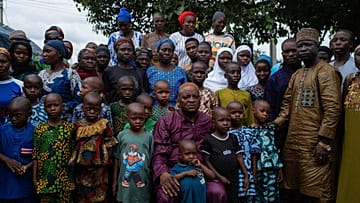
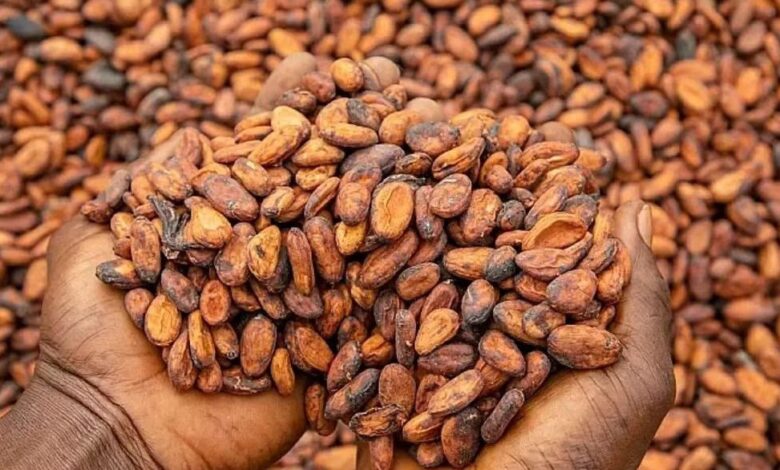
Nigeria, Ghana, Ivory Coast and Cameroon are preparing to launch a new economic alliance called “Cocoa Value Added Alliance“This is considered one of the most prominent strategic moves to reshape the global cocoa industry and promote local manufacturing within the African continent.”.
Two-thirds of global cocoa production
The four countries, which together produce nearly two-thirds of the world’s cocoa, are scheduled to sign the “Abuja Declaration” during the Cocoa Value Added Summit 2026, signaling the start of a new phase aimed at reducing dependence on exporting raw cocoa beans and expanding the manufacturing of value-added products within the producing countries.
Boosting the revenues of African cocoa-producing countries
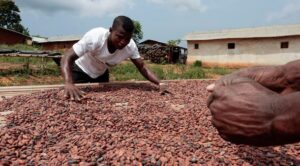
The alliance aims to boost the economic returns of African cocoa-producing countries by developing processing industries and increasing exports of manufactured products such as chocolate and cocoa derivatives, thereby contributing to job creation and promoting industrial development.
The founding countries of the alliance seek to change Africa’s position in the global value chain of the chocolate industry, which is valued at about $165 billion, at a time when the continent’s share of the profits of this industry does not exceed about 6%, even though it is the main source of cocoa beans worldwide.
This move is seen as a strategic shift aimed at giving producing countries a greater role in the global chocolate industry, rather than simply supplying raw materials to international markets.
Weather threatens crops in Ivory Coast
In a related context, cocoa farmers in Ivory Coast, the largest project For the crop worldwide, the decline in rainfall last week helped to dry out the soil, which had suffered from excessive moisture. However, they pointed out that the crop still desperately needs longer periods of sunshine to ensure the success of the main season, which runs from September to next February, while the crop itself lasts from April to September.
Ivory Coast is currently experiencing its traditional rainy season, which lasts from April until mid-November. After a wave of heavy rains caused flooding in some farms in late June, the high soil moisture has led to concerns among farmers about the spread of crop diseases, stressing that the sun is the current "lifeline" to prevent root and pod rot.