A new crisis threatens chocolate lovers: declining cocoa production in Ghana foreshadows rising global prices.
Climatic and environmental factors put pressure on production
Written by Omnia Hassan:
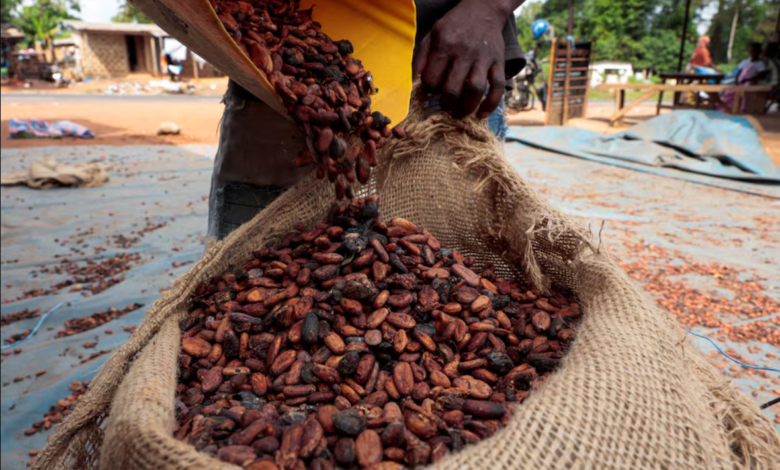
The global cocoa market is facing a new challenge after official warnings from Ghana, the world’s second-largest cocoa producer, about expectations that its production will fall by at least 16% during the 2026-2027 season, raising concerns about disruptions in global supplies and a possible rise in chocolate prices in the coming period.
Climatic and environmental factors put pressure on production
The Ghana Cocoa Board (COCOBOD) explained that the expected decline is due to a combination of factors, most notably the possibility of the country being affected by the El Niño phenomenon, the heavy rains that occurred in May and June, and the cyclical nature of cocoa trees, which alternate between high and low production seasons.
Plant diseases, especially the swollen bud virus, have also contributed to the destruction of large numbers of productive trees, in addition to the advanced age of many farms, which has led to a significant decrease in their productivity.
Illegal mining is exacerbating the crisis.
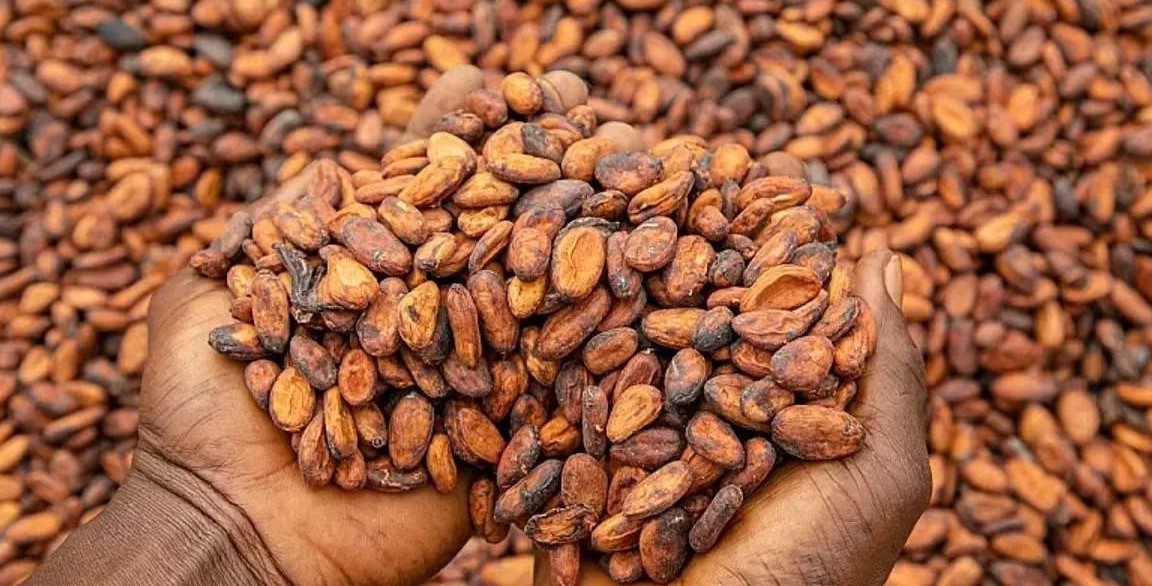
The challenges were not limited to climatic factors, as illegal gold mining, known locally as “galamsey”, has caused the degradation of large areas of farmland, especially in the northwestern and western regions that account for more than half of Ghana’s cocoa production. This activity has contributed to the loss of many cocoa groves, increasing the pressure on the agricultural sector.
Government measures to rescue the sector
In response to these challenges, the Ghana Cocoa Board announced a package of measures to support production, including the rehabilitation of damaged farms, the expansion of pesticide and fungicide spraying programs, and the resumption of the free fertilizer distribution program during the 2026-2027 season, with the aim of reducing losses and gradually restoring production levels.
Economic warnings and regional cooperation
These developments come at a time when the African Development Bank has warned that the El Niño phenomenon could cause economic losses of up to $20 billion in Africa, with effects extending to economic growth, migration and food security.
In contrast, the major cocoa-producing countries in West Africa, primarily Ghana, Ivory Coast, Nigeria and Cameroon, are seeking to strengthen cooperation in the areas of pricing, production and local manufacturing, with the aim of increasing added value and reducing dependence on raw grain exports, thereby enhancing the stability of the global cocoa market in the coming years.