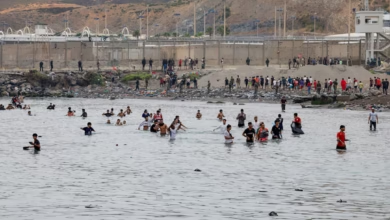
Following the influx of thousands of Moroccans, Ceuta and Melilla reopen the oldest points of contention between Rabat and Madrid.
نزاع تاريخي لم تنهِه السياسة ولا أزمات الحدود
Written by: Mohammed Omran
Our cities have returned Ceuta and Melilla The two cities, located geographically in North Africa and under Spanish administration, have been a point of tension for many years due to their strategic location, as well as their connection to immigration, security, and relations between Rabat and Madrid. They have been brought back to the forefront of events following new developments on the border with Morocco, reopening one of the most sensitive issues in the Mediterranean region.
Following the influx of thousands of Moroccans, Ceuta and Melilla reopen the oldest points of contention between Rabat and Madrid.
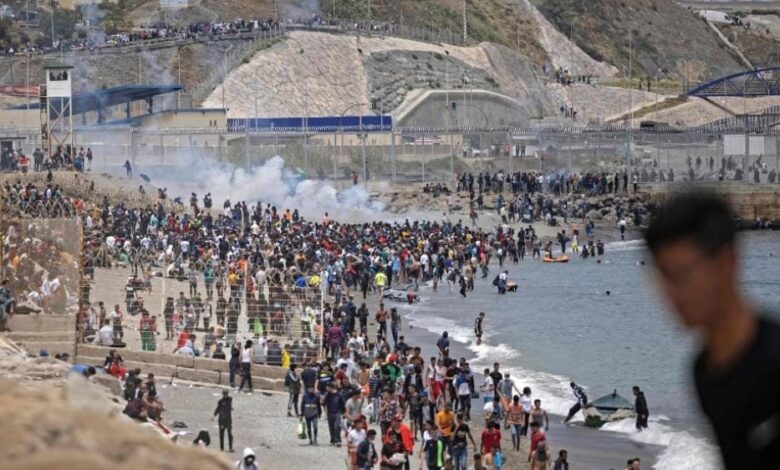
The city of Ceuta witnessed an unprecedented mass influx in the past few hours, after thousands of Moroccans crossed the border into the Spanish-administered city, amid media and Spanish estimates indicating that the number of those crossing reached about 60,000 people in 24 hours.
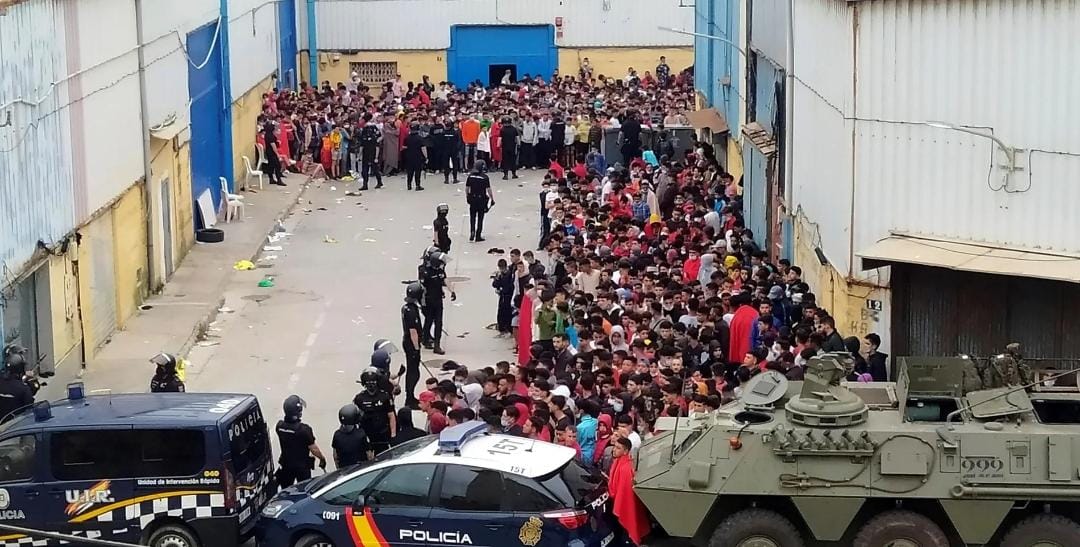
These developments have brought back to the forefront one of the most complex issues between Rabat and Madrid, as Ceuta and Melilla have been linked for decades to issues of immigration, sovereignty and security, renewing questions about the history of the two cities and the reasons for the continued dispute over them.
The issue of Ceuta and Melilla dates back centuries, as the two cities represent one of the most sensitive issues in relations between Morocco and Spain, due to their geographical location and their intertwined history between the African and European shores.
Where are Ceuta and Melilla located?
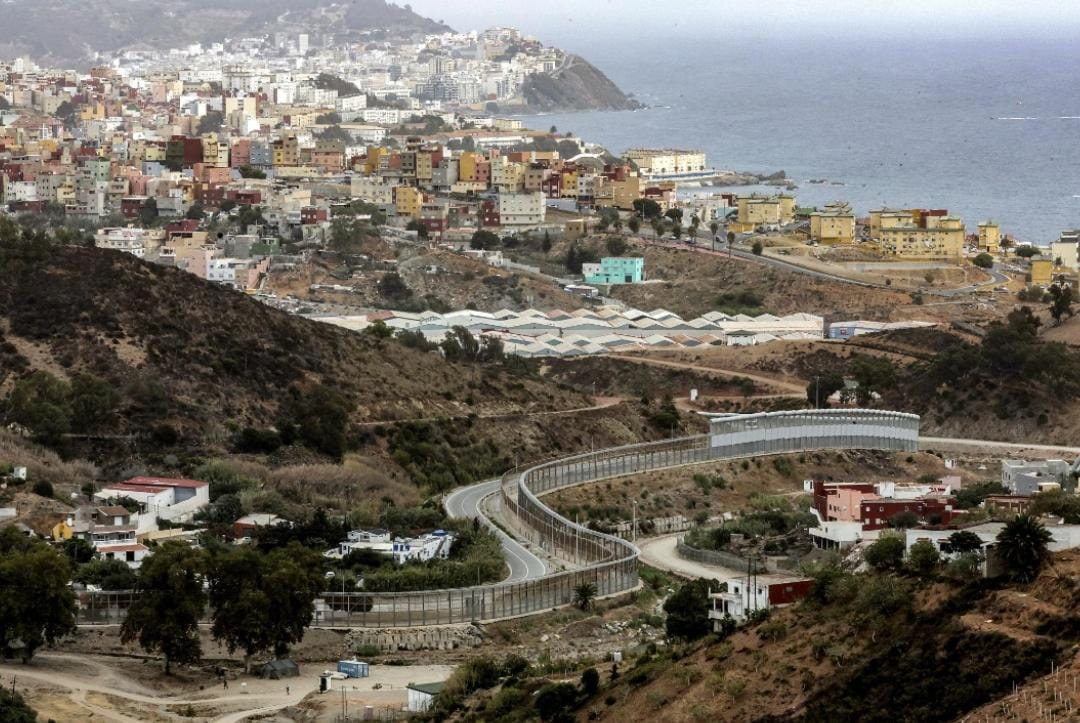
The two cities are located on the northern coast of Morocco, overlooking the Mediterranean Sea and near the Strait of Gibraltar. They are a short distance from Moroccan territory, but they are under Spanish administration and enjoy the status of two autonomous cities within Spain.
They are the only two regions belonging to the European Union on the African mainland, which gives them great strategic importance, especially in matters of security, immigration and trade.
Ceuta: The beginning of European presence in North Africa
Ceuta's history dates back to ancient civilizations, as it was inhabited by various peoples and civilizations before coming under Portuguese rule in 1415, when it was captured by the Portuguese King João I.
After the union of the thrones of Portugal and Spain in 1580, Ceuta came under Spanish rule, and then continued under Spanish sovereignty after Portugal gained independence again, before Portugal officially recognized this in the Treaty of Lisbon in 1668.
Melilla... under Spanish rule since the 15th century
As for the city of Melilla, it was taken over by Spain in 1497, when the Spanish commander Pedro de Estupiñán seized it for the Duke of Medina Sidonia.
Since that date, the city has remained under Spanish administration, despite its location within the African continent and its close proximity to Moroccan territory.
Why does Morocco claim the two cities?
Morocco considers Ceuta and Melilla to be part of its historical territory, and believes that Spain’s presence in them is linked to the period of European expansion in North Africa.
Rabat consistently affirms that the completion of its territorial unity includes all areas that it considers to be historically part of it.
What does Spain say?
Madrid also affirms that Ceuta and Melilla are Spanish cities, and that their inhabitants hold Spanish nationality and enjoy the rights of Spanish citizens.
Spain views the situation of the two cities as different from that of the former colonies, as they have been part of the Spanish state for centuries.
Africa's most sensitive borders
In recent decades, Ceuta and Melilla have become a key point in the migration issue, due to their being land borders between Africa and the European Union.
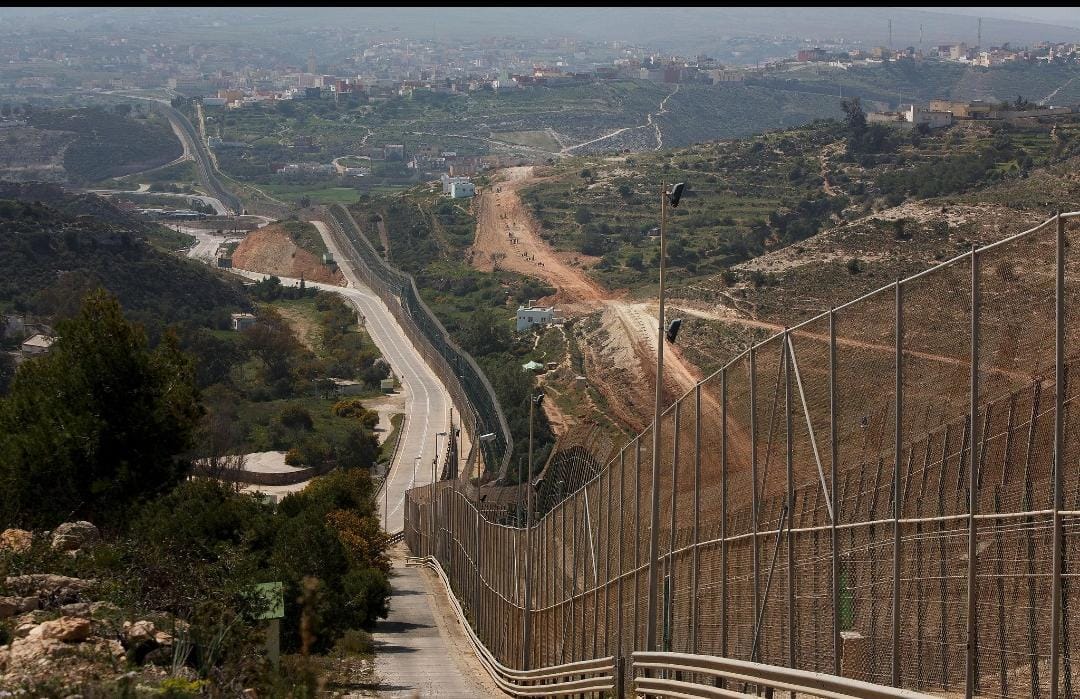
The two cities occasionally witness attempts by migrants seeking to reach Europe to cross the border, either by climbing border fences or attempting to cross by sea.
Political crises due to the two cities
The issue of Ceuta and Melilla has been a source of frequent tensions between Morocco and Spain, especially given its connection to other issues such as immigration and political relations.
One of the most prominent recent crises was the 2021 crisis, when thousands of migrants entered Ceuta amid diplomatic tension between the two countries, before relations later improved.
Military and strategic importance
The importance of the two cities is not limited to the political aspect, as their location near the Strait of Gibraltar gives them great military and security value, considering the strait is one of the most important maritime passages in the world.
They also represent an important monitoring point for maritime traffic between the Mediterranean Sea and the Atlantic Ocean.
International legal status
Despite the ongoing political dispute between Morocco and Spain over the two cities, they are currently under Spanish administration, and the United Nations does not consider them to be among the non-self-governing territories.
Ceuta and Melilla remain an open file that combines history, politics, and geography; two cities located in Africa that bear a Spanish identity, while Morocco sees them as part of its historical territory, making their story one of the most complex border issues in the Mediterranean.