محافظ بنك جنوب السودان يصدر قرارًا بحل اتحاد العاملين بالبنك
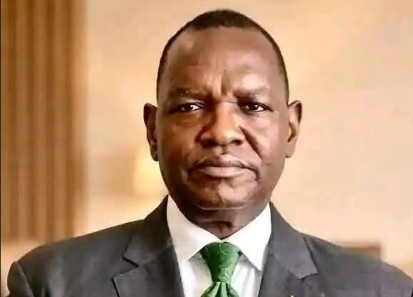
أصدر محافظ بنك جنوب السودان، جوني أوهيسا داميان، قرارًا يقضي بحل اتحاد العاملين ببنك جنوب السودان (BoSSWTU) حتى إشعار آخر، وذلك استنادًا إلى أحكام المادة (26/1) من قانون بنك جنوب السودان المعدل لعام 2023.
وبحسب القرار، أستندت الإدارة إلى مبررين رئيسيين لاتخاذ هذه الخطوة، يتمثل الأول في قيام الاتحاد بعقد اجتماع للجمعية العامة وإصدار مهلة للإدارة العليا للاستجابة لمطالب الموظفين، فيما يتعلق السبب الثاني باتهام الاتحاد بالتحريض على تنفيذ اعتصام وإضراب للعاملين بتاريخ 7 يوليو 2026.
وأشار القرار، إلى أن هذه التطورات جاءت رغم قيام البنك بسداد متأخرات مالية تعادل رواتب عشرة أشهر لجميع الموظفين.
ولم يصدر حتى لحظة كتابة هذا الخبر، أي تعليق رسمي من اتحاد العاملين بشأن قرار الحل أو الاتهامات المنسوبة إليه.
Sharp decline of the South Sudanese Pound
Abraham Malith, the economic advisor in the office of the Vice President of the Republic of South Sudan for Economic Bloc Affairs, warned of the continued sharp deterioration in the value of the South Sudanese Pound against the US Dollar, emphasizing that the national currency could face further decline in the coming months if the government does not take urgent economic measures to address the crisis.
Malliet said, in statements reported by Eye Radio, that the dollar exchange rate in the parallel market reached about 700,000 South Sudanese pounds for 100 US dollars this week, which reflects the increasing pressures facing the national economy. He warned that the rate could reach one million pounds for 100 dollars by the end of 2026 if the current economic conditions continue without effective interventions.
The economic advisor explained that the exchange rate crisis is not linked to a single factor, but rather reflects a set of structural challenges plaguing South Sudan's economy. These include the continuous rise in demand for the US dollar, a decline in the confidence of citizens and businesses in the local currency, in addition to weak local production and the country's heavy reliance on imports to meet its basic needs.
He added that excessive reliance on imported goods increases demand for foreign currency, putting pressure on limited foreign exchange reserves, leading to further depreciation of the pound and rising inflation rates, which directly reflects on the prices of basic commodities and increases the cost of living for citizens.
And it called on the government to adopt a package of urgent economic reforms, focusing on diversifying national income sources and reducing reliance on the oil sector, by enhancing investment in the agriculture, fisheries, and mining sectors, considering them sectors capable of providing job opportunities, increasing local production, and achieving additional foreign currency revenues.
He also stressed the need to reduce reliance on imports by supporting local industries and stimulating national production, which contributes to easing demand for dollars and improving the trade balance.