Between June and August 2026: Warnings of floods, above-average rainfall, and high temperatures.
Higher than usual...
Written by Amna Hassan
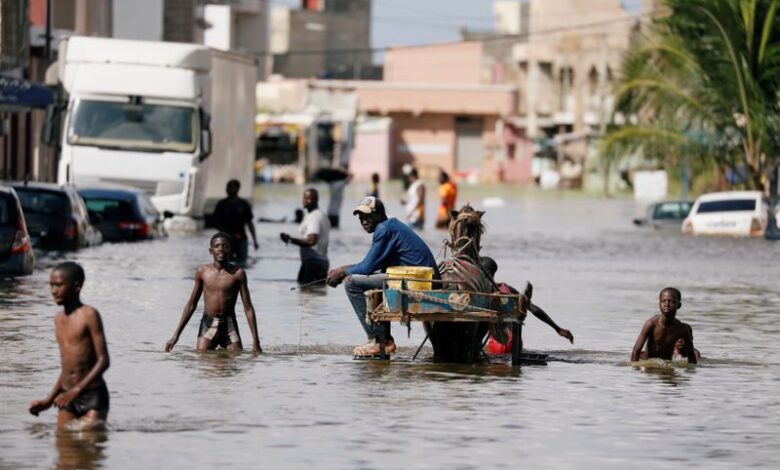
The latest climate forecasts issued by the Intergovernmental Authority on Development's Regional Climate Prediction Center (IGAD-ICPAC) indicate that South Sudan Rainfall will be above average during the start of the June-August 2026 season, with heavy rain expected to cover most of the country, increasing the likelihood of flooding and disruption to some economic and service activities.
Wetter than usual conditions prevail in most parts of South Sudan.
According to the report, June will see wetter than usual conditions in most parts of South Sudan, along with Sudan and Uganda, while temperatures are expected to be above normal levels in large parts of the region, including South Sudan.
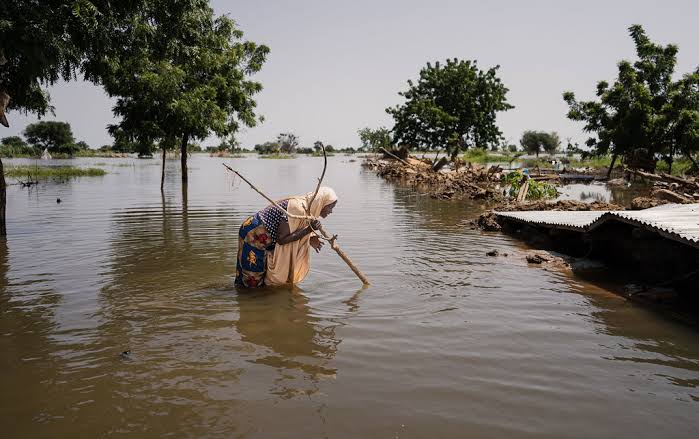
Although seasonal forecasts for the period from June to August generally indicate drier than usual conditions in parts of the Horn of Africa, South Sudan is one of the countries that may experience variations in rainfall distribution.
Heavy rainfall is expected in some areas at the beginning of the season, while other areas are likely to experience below-average rainfall for the remainder of the period.
Recurring challenges associated with monsoon rains and floods
These forecasts come at a time when the country continues to face recurring challenges related to seasonal rains and flooding, particularly in the states of Jonglei, Unity, Upper Nile and Northern Bahr el Ghazal.
Heavy rains often lead to damage to infrastructure, disruption of transportation, destruction of crops, and displacement of residents.
The expected rise in temperatures may also increase pressure on water and health resources.
The report indicated that global climate indicators are monitoring the potential development of the El Niño phenomenon during the second half of the year, which could affect rainfall patterns in East Africa during late 2026 and early 2027.
Meteorologists and experts called on governments and local authorities to take advantage of early climate forecasts in planning and preparation, especially in sectors related to agriculture, water management and disaster risk reduction, while strengthening prevention measures in flood-prone areas.
The report also recommended following national bulletins issued by meteorological agencies for more detailed local updates.
The period from June to September is one of the most important rainy seasons in South Sudan, as it contributes significantly to feeding agricultural activity and pastures, but at the same time it can cause widespread losses if the rains turn into floods that exceed the ability of local communities to cope with them.